
[vc_row][vc_column][vc_column_text]One of the most important skills for any public relations (PR) professional is writing press releases. A well-written press release can capture media attention, boost brand recognition, and effectively convey the primary message to a broad audience. However, a lot of press releases fall short because of preventable erros. The most frequent press releases errors made when drafting a press release can drastically lessen its impact and likelihood of being picked up by the media.
The basics of writing a press release
Press releases are brief, news-style announcements created by public relations specialists to highlight significant occasions, new product launches, business milestones, or other announcements that are pertinent to a company or organization. In contrast to advertising, a press release’s success depends on its journalistic tone and news value, which must be strong enough to be picked up by media outlets and disseminated to the general public. Its success depends on persuading reporters that the information is reliable, timely, and pertinent.
Lack of a clear/newsworthy angle
Failing to develop a distinct, noteworthy angle is one of the most frequent errors made when writing press releases. Journalists receive dozens, if not hundreds, of press releases every day. If the release does not immediately demonstrate why the story matters and why it is timely and relevant, it risks being ignored altogether.
How to avoid this:
- Identify the ‘hook’ or unique selling point (USP) of the announcement.
- Ensure that the headline and opening paragraph communicate this angle.
- Always answer the five Ws and one H: who, what, when, where, why, and how.
- Emphasise the impact or significance of the news and how it will affect the industry, the community, consumers, or sector.
Excessive use of jargon and technical terms
Press releases need to be readable by a broad audience, including journalists who might not be industry experts. Excessive use of acronyms, industry jargon, or technical terms can turn off readers and make the point less clear.
How to avoid this:
- Use plain language whenever possible.
- Briefly explain industry-specific terms if necessary.
- Focus on the benefits and implications rather than the technical specifications.
- Ask someone outside the industry to read the draft to ensure clarity.

Weak or unfocused headlines
The headline of a press release is arguably the most important element. It is the first and sometimes the only thing a journalist or reader sees. A weak headline that is generic, vague, or unengaging can cause the release to go unnoticed.
Characteristics of a strong headline:
- Concise and to the point (ideally under 10 words).
- Clearly states the news or main benefit.
- Engages curiosity or highlights the benefit to the reader.
- Includes keywords relevant to the topic (SEO for press releases).
Ignoring the inverted pyramid structure
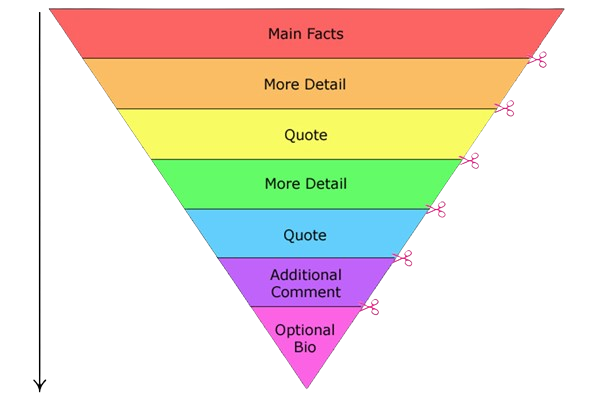
It is crucial to follow the inverted pyramid format, which positions the most crucial information at the top. Background information should be included at the end of the release, followed by supporting details and secondary information. This approach respects journalists’ time and improves readability. Common mistakes in press releases are burying essential facts too deep in the text, failing to prioritise important information, and making the release too narrative-driven rather than fact-driven, which can diminish its news value and make it less appealing to journalists.
Ways to prevent this:
- Answer the main questions in the opening paragraph.
- Provide quotes, evidence, or more details after that.
- Finish with contact information, a brief history of the business, or less important background information.
This structure helps journalists quickly grasp the essence of the story and decide if it’s worth covering.
Lack of proofreading and editing
Grammar mistakes, typos, inconsistent formatting, and factual errors drastically undermine the professionalism and credibility of the press release. Journalists receiving a release filled with mistakes may disregard it, assuming the organization lacks attention to detail.
How to ensure quality:
- Always run multiple rounds of proofreading, ideally by different people.
- Verify all facts, figures, names, dates, and contact information.
- Use professional editing tools or services if necessary.
A polished release will reflect positively on the brand and increase its trustworthiness.
Overloading the release with unnecessary information
Some PR professionals try to include too much information in one press release, such as long paragraphs, multiple story angles, or a variety of announcements. This can overwhelm journalists and dilute the core message.
Best practice:
- Keep the press release focused on a single key message or announcement.
- Use supporting details sparingly, ensuring they are relevant to the core message.
- If there are multiple news items, consider issuing separate releases.
- Concise press releases help journalists to quickly understand the story and determine its newsworthiness.
To excel at writing press releases, PR professionals must avoid common press release mistakes and consistently apply the best practices that prioritise clarity, accuracy, and relevance. A well-crafted press release increases the chances of gaining valuable media coverage, enhances an organization’s reputation, and broadens its messaging impact.
Maintaining a professional tone and delivering concise, compelling, and newsworthy content can significantly elevate the effectiveness of PR practitioners’ communications and help them build lasting relationships with the media and their audience.[/vc_column_text][/vc_column][/vc_row][vc_row][vc_column][vc_btn title=”Check out our PR services” style=”custom” custom_background=”#28BDAE” custom_text=”#FFFFFF” size=”lg” css_animation=”fadeInDown” css=”” link=”url:https%3A%2F%2Fwww.sherlockcomms.com%2Fwhat-we-do%2F|target:_blank”][/vc_column][/vc_row]