
In the 80s, there was a 32% increase in breast cancer cases in the United States. However, the topic remained a huge taboo. Women would speak about their diagnoses only in whispers, with trembling voices. And since treatments were still invasive and not very advanced, many patients discovered their cancer at more critical stages.
One of those patients was Susan, Nancy Brinker’s sister. Before she passed away, she asked Nancy to make sure that other women wouldn’t face the same fate, that they could have access to early diagnosis.
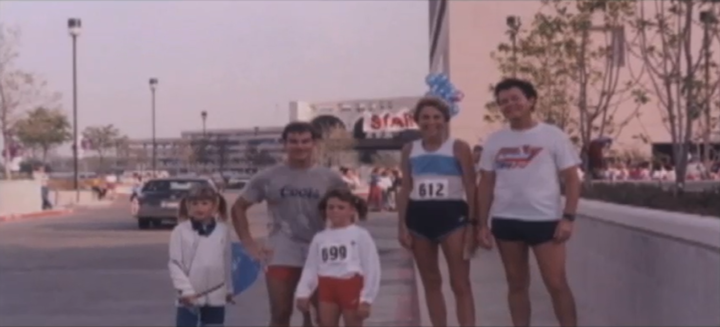
Nancy then turned her pain into strength and founded the Susan G. Komen for the Cure Institute. One of her first initiatives was the Race For The Cure marathon, now called the More Than Pink Walk, aimed at building a supportive community, fostering dialogue and awareness, and raising the funds needed to expand breast cancer treatments.
The inaugural edition, in 1983, took place in Dallas, USA, with 800 participants and the support of numerous volunteers and sponsors. After all, Nancy had already gained some influence by that time. Today, 42 years later, millions of people run every year worldwide, and over a billion dollars have been raised for the cause.
Pink ribbon as a symbol of the fight
Several years passed since the first Race For the Cure, and with its positive impact, more people and organisations began to rally behind the cause. One of them was Evelyn Lauder, Vice President of Estée Lauder, a leading cosmetics and skincare brand.
Frustrated after losing close people to breast cancer, Evelyn joined Nancy Brinker’s movement. In 1992, they launched the Estée Lauder Breast Cancer Awareness Campaign, where pink ribbons were distributed throughout New York and in Estée Lauder stores.
The importance of symbolism
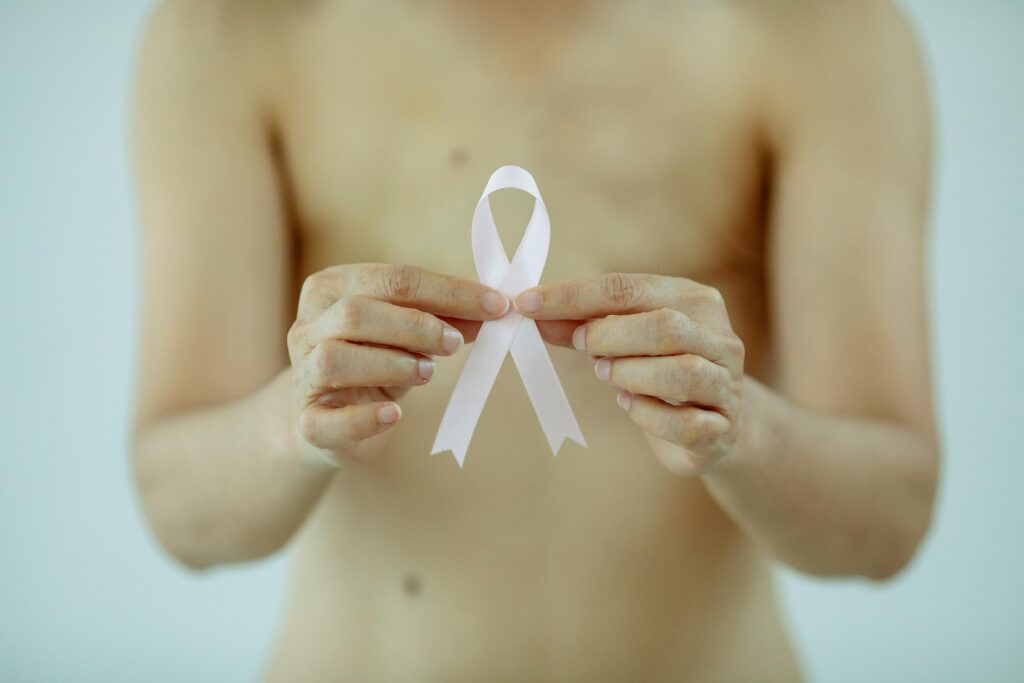
The ribbon was created specifically to symbolise the cause. The colour pink represents hope and, at the time, was even more closely associated with femininity and sensitivity.
In communication, the use of symbols is an effective way to connect to our mental model—the lenses through which we view the world. This includes experiences, beliefs, values, and knowledge that help us interpret our surroundings, make associations, and make decisions.
As such, when we see a pink ribbon, we automatically associate it with Pink October, serving as a reminder for us to perform self-exams and schedule medical check-ups.
The origin of Pink October
Despite the positive impact of these initiatives, until 1993, there was no specific date dedicated to breast cancer awareness, at least in the United States. However, after a conference between the American Cancer Society and the Susan G. Komen for the Cure Foundation, October 13th was established as National Breast Cancer Awareness Day.
From then on, the movement was adopted by several countries, and between the late 90s and early 2000s, October gradually became known as Pink October.
In 2009, the World Health Organization declared October 19th as World Breast Cancer Awareness Day, ensuring that the awareness and care efforts would be spread worldwide.
Pink October in Latin America
It was during the 2000s that Pink October gained more recognition in Latin America, and it’s interesting to observe how the campaign’s approach adapts according to the culture and access to healthcare institutions in each country.
While the marathon is also held annually in the region and monuments are lit up in pink, there are variations in the initiatives and the methods used to raise awareness among the population.
Colombia
In Colombia, for example, women over 50 or those in high-risk groups can receive free mammograms. There are also mobile mammography units and community education programs that reach remote areas to raise awareness about early detection and the importance of self-exams.
In 2024, the Barranquilla City Hall launched the campaign “Tócate También y Abraza la Vida, Desafíos en la Prevención del Cáncer de Mama.” Among its initiatives is the creation of a group of specialists dedicated to studying the incidence, prevalence, and mortality of breast cancer.
Moreover, there is the Early Breast Cancer Detection Capacity Development program, which trains healthcare professionals working in primary care to identify the presence of the tumour at an early stage. Due to its significant influence, community leaders also undergo training so that the knowledge can be passed on to the residents of these areas.
Peru
Each year, over 7,000 new cases of breast cancer are diagnosed in Peru. To help address this, the League Against Cancer offers free services through its mobile units in the outskirts of Lima. The Ministry of Health also runs nationwide breast cancer screening campaigns and awareness talks. This year’s topics will include “Breast Cancer and Pregnancy” and “Artificial Intelligence in Breast Health Services.”
Private companies are also joining the fight. Cinco AM Perú, for instance, hosts La Salida Rosa (The Pink Run) on October 19th, where people can run, walk, or even cycle.
Guatemala
Since the 2000s, local foundations such as Fundecán have been organising walks and campaigns related to the cause. However, it was only a little over a decade ago that the Ministry of Public Health and Social Assistance (MSPAS) of Guatemala officially declared October as the month of awareness.
From that point on, hospitals like the National Cancer Institute (INCAN) and the Guatemalan Social Security Institute (IGSS) began organising activities focused on prevention, early detection, and promoting mammograms.
https://www.instagram.com/p/DPkE5ZEkboF/?hl=en&img_index=1
The Congress of the Republic also marks this date every 19th of October. In 2024, the Comprehensive Cancer Law (Decree 7-2024) was passed, aiming to strengthen prevention and support for cancer patients in the country. The pink ribbon is also widely used in Guatemala through campaigns by foundations, private companies, and the media, becoming the main symbol in the fight against breast cancer.
Panama
The same symbol arrived in Panama in 2001 and was championed by activist Alfredo Maduro Sasso, one of the founders of Fundayuda. He was invited by Estée Lauder to help expand breast cancer prevention efforts in the country. His foundation has been supporting children and teenagers with cancer since 2006.
Argentina
Although the origin of Pink October dates back to the mid-2000s, the movement only spread to Argentina from 2010 onwards, when local governments teamed up with NGOs and health institutions to promote actions in the fight against breast cancer.
One of the main initiatives is the round of mobile health units in more remote provinces, such as Salta, Mendoza, and Formosa, offering mammograms and Pap tests.
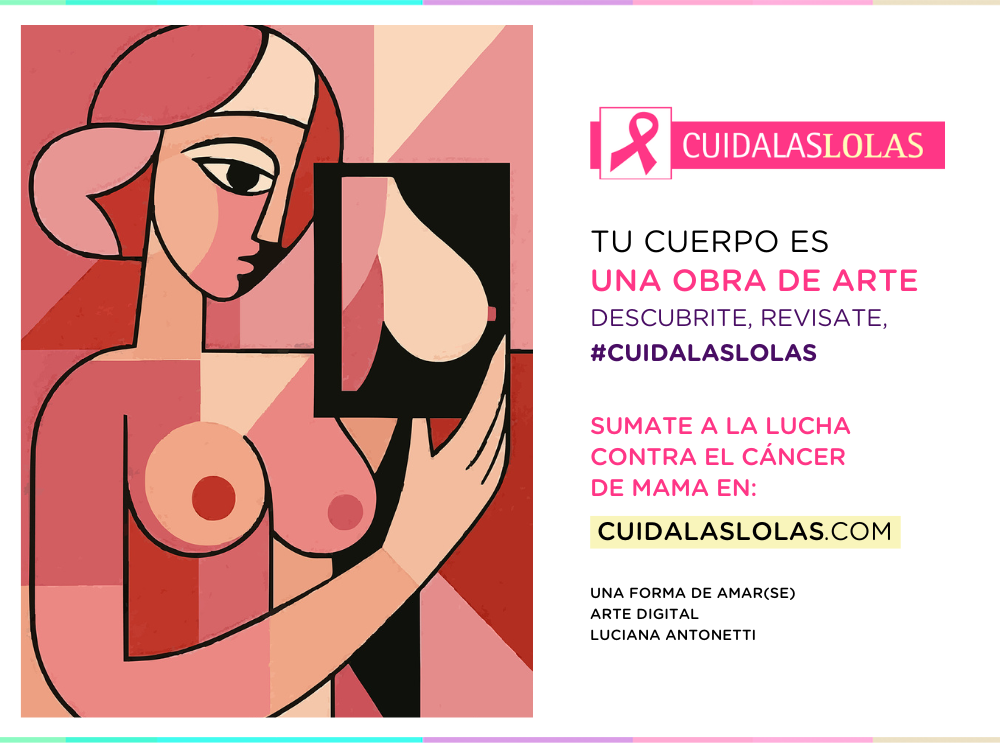
Creativity also plays a role. The Cuidá las Lolas campaign, for example, features a digital gallery showcasing paintings, photographs, and illustrations created by Latin American female artists. Each artwork carries a message encouraging self-exams and can be shared by everyone.
The Fundación Mandinga Tattoo offers free therapeutic tattoos to women who have survived breast cancer, helping them redefine their scars.
Sport is also encouraged through the Amo Mis Mama Race marathon. The event held its second edition in 2024, organised by the Ministry of Women and Diversity and Expo Mujer Salud.
Costa Rica
The movement in Costa Rica began in 2008, with supermarket chain Auto Mercado taking a stand on breast cancer prevention, encouraging other groups, businesses, and organisations to join the Pink Movement.
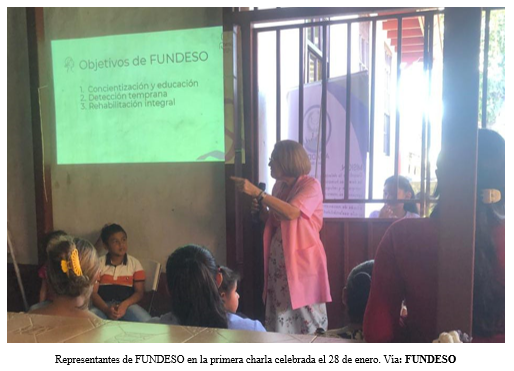
Non-profit organisations such as Fundeso and ANASOVI were also pioneers in educating the public, particularly refugees, and participating in working groups to improve breast cancer diagnosis and treatment.
Mexico
In Mexico, the most important and probably the oldest organisation in this movement is FUCAM, which carries out initiatives throughout the year to raise awareness, support patients and their families, as well as promote campaigns on breast cancer diagnosis and encourage donations and partnerships with “pink allied” businesses.
Another spokesperson is TV presenter Rebecca de Alba, who, after battling the disease in 2005, founded her own organisation, working with hospitals and organising fundraising events, always focusing on awareness and prevention.
https://www.instagram.com/p/DPUBOPtjHvl/
There is also Fundación CIMA, which promotes prevention efforts and provides support to patients. Additionally, several local brands join the Pink October campaign with special collections, events, donations, and other initiatives. Among them are Liverpool, Cloe, ADO, La Comer, Cinemex, and Rosetta.
Dominican Republic
In the Dominican Republic, non-governmental organisations such as the Dominican League Against Cancer, the Dr. Heriberto Pieter Oncology Institute, and the Association of Women in Solidarity (AMSI) were pioneers in education and promoting early detection.
In the public sector, institutions like the Ministry of Public Health and the Office of the First Lady have launched large-scale campaigns, offering free mammograms and mobile clinics in various communities across the country.