
Sherlock Communications helps international organisations enter, grow and thrive in El Salvador. From our regional hub, we combine local cultural insight, trusted media relationships and digital expertise with global standards of creativity and strategy. We work exclusively with international clients, serving as a bridge between global ambitions and El Salvador’s fast-evolving communications landscape. Our mission is to help brands build trust, relevance and measurable impact in one of Central America’s most digitally connected markets.
The Caribbean is a mosaic of over 20 islands, many united under the CARICOM banner. While these markets share strong cultural and commercial ties, they are far from uniform, each defined by its own infrastructure, population size, and consumer habits.
The region’s economic heavyweights illustrate this diversity. Trinidad and Tobago’s economy is anchored by its powerful energy sector, while Jamaica relies on a blend of tourism, financial services, and mining. In the Bahamas and Barbados, growth is driven by tourism and finance, supported by construction and light manufacturing. Across the region, connectivity is high, particularly in maritime transport and energy.
What makes these islands strategically important is their openness to global trade. Through regional agreements and treaties with the US, Canada, and the EU, they offer a stable, port-rich environment for international expansion. For companies looking to scale, the Caribbean provides a compelling mix of political stability and established infrastructure.

According to Mexico’s Ministry of Economy, FDI reached a recordUS$34.27 billion in the first half of 2025, up 10.2% year-on-year, with new investments growing 3.4 times compared to 2024. The UNCTAD 2024 ranking placed Mexico 11th globally for foreign investment inflows, underscoring its strategic role as an entry point for businesses into Latin America.
The USMCA agreement has also delivered significant results: trade among Mexico, the US and Canada has increased sixfold, generating millions of jobs across the three countries. For international organisations, this integration, alongside Mexico’s strong manufacturing and logistics sectors, makes the country not just attractive, but often essential to a regional strategy. But success here requires more than optimism. Regulatory complexity, inequality and regional differences mean that brands need genuinely local insight and on the ground support to navigate the market effectively.
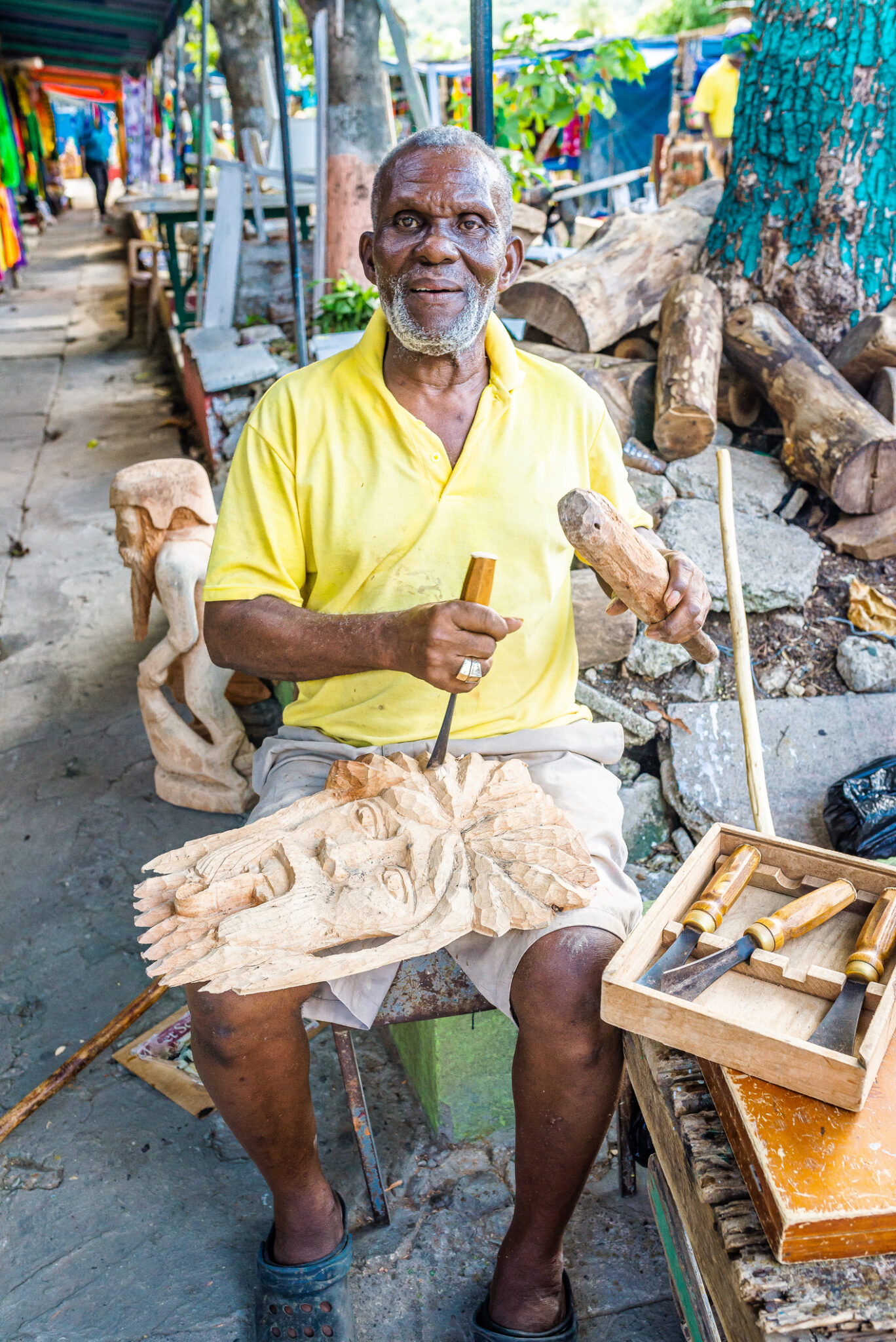
With internet penetration reaching up to 95.7% in nations like Barbados and Trinidad and Tobago, digital platforms have become essential for reaching young and professional audiences. However, the region remains a blend of tradition and innovation. While Facebook and Instagram are now dominant, television and local radio still lead for mass-market reach and community trust. For brands, success requires a multichannel approach that balances this high digital connectivity with the enduring influence of traditional broadcast and print.
The Caribbean is a resilient economic ecosystem, with growth projected to reach up to 3.5% through 2025. While tourism remains the primary engine of growth, accounting for nearly a third of the GDP in several nations, the region has evolved into a much more diverse landscape. It is now a strategic hub where traditional services meet new opportunities in finance, logistics, and renewable energy.
This growth is supported by a very competitive business environment. In places like the Bahamas and the Cayman Islands, institutional stability and favourable tax regimes have made them magnets for foreign investment. Beyond the fiscal benefits, the region’s geography is its greatest asset. Positioned as a natural bridge between North and South America, key ports in Nassau, Kingston, and George Town act as vital links for global trade, connecting the islands to major markets in Europe and the Americas.
There is also a significant shift happening in how the region powers its future. With around 700 MW of renewable capacity already in place, countries like Barbados and Jamaica are leading a transition toward solar and wind energy. This move isn’t just about sustainability; it’s driving new jobs and technological investment. For any international business, the Caribbean offers a rare combination of old-school stability and a clear, innovative path forward.

Mexico’s consumers are increasingly shaped by a mix of technology, value-consciousness and local pride.
A 2025 Ernst & Young study shows that 75% of Mexicans expect brands to invest in innovation, while nearly half (47%) already see AI as more effective than human support. For international companies, this underlines the need for campaigns that combine creativity with technological relevance.
Digital adoption is central to this picture. According to Statista, 88% of Mexican adults own a smartphone, and 73% of online purchases are made via mobile devices. More than half (52%) of the population made at least one online purchase in the past year.
With 71% of consumers reporting they have bought a product influenced by social media ads (particularly on Facebook, Instagram and TikTok) mobile-first, social-first strategies are essential to success.
At the same time, consumer confidence is strong, with INEGI reporting a 46.7-point increase in 2025 in its Consumer Confidence Index. For international organisations, this presents a unique opportunity: with trust levels rising, brands that can demonstrate cultural relevance and deliver genuine value will be best positioned to grow.
Nassau, Bahamas: is the capital and economic center of the Bahamas, located on New Providence Island, it is a key tourist destination with modern hotel and port infrastructure and also concentrates international financial services.
George Town, Cayman Islands: is the financial and administrative heart of the Cayman Islands, hosts the majority of the territory’s banks, insurers and investment funds and serves as an important hub for legal and corporate services.
Kingstown, Saint Vincent and the Grenadines: located on Saint Vincent Island is the country’s main port and commercial center. Its economy combines trade, public services and tourism.
Kingston, Jamaica: is Jamaica’s political and financial capital. It stands out for its cruise port, international airports, financial institutions and cultural influence in music and the arts.
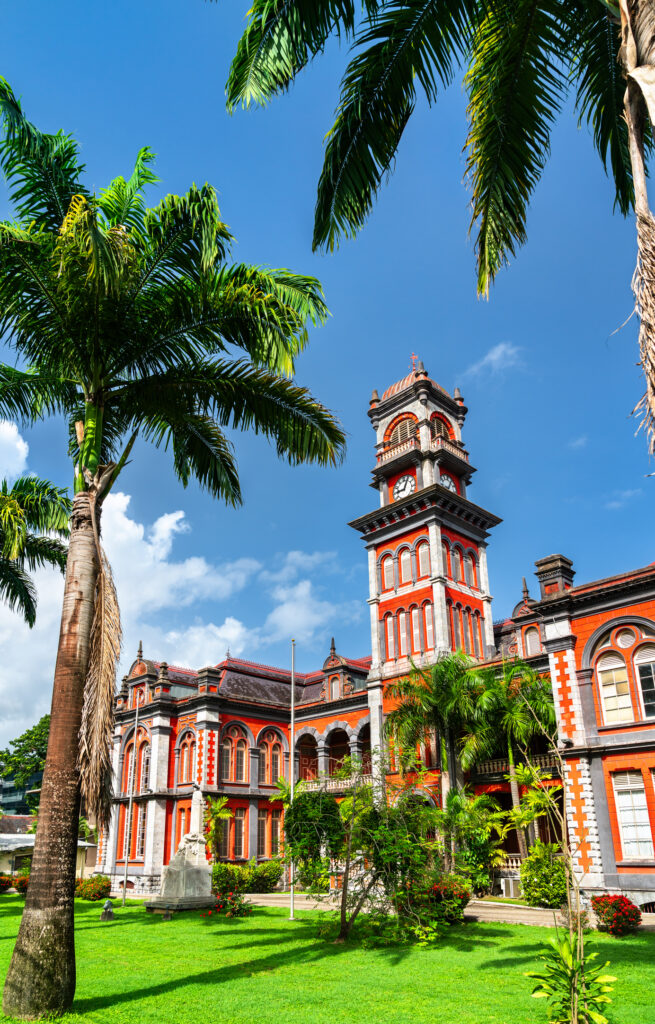
Port of Spain, Trinidad and Tobago: is the administrative capital and economic center of the country with significant activity in oil, gas, finance and commerce. The city is also known for its cultural festivals including the famous Trinidad Carnival.

According to INEGI, 96.5% of Mexicans live in family households, with an average of four people per home. In many traditional families, women still play the leading role in purchasing decisions, while younger households tend to share responsibilities more equally. Across both, family gatherings and social events remain important consumption moments.
In the Caribbean, deep knowledge of each island, its policies, economy and culture is essential to achieve measurable results. Business dynamics vary significantly between countries such as the Bahamas, Jamaica and Saint Vincent which requires a strategic approach adapted to each local context. Our agency with experience across multiple Caribbean islands understands these particularities and turns them into effective strategies that generate tangible results.
Gastronomy is important in both cultural and economic terms. In 2010, UNESCO recognised Mexican cuisine as Intangible Cultural Heritage of Humanity, a designation that continues to shape national pride and identity.
Gastronomy also drives economic activity: Mexico’s Ministry of Tourism estimates that food generates 245.46 billion pesos annually, representing 30% of tourism consumption.
Our agency applies its local experience and media relationships to build reputation and visibility in the Caribbean. We offer specific services such as:
Combining our knowledge of the local market with a strong regional network, we help brands maximize their communication investment and achieve their business objectives in the CARICOM region.