
Sherlock Communications partners with global organisations to help them establish, grow and build trust in Bolivia. From our regional base, we blend deep cultural understanding, strong media connections and advanced digital expertise to help brands navigate this complex market with confidence. Our role is to translate international ambitions into strategies that resonate locally, creating campaigns that deliver clarity, credibility and measurable results across Bolivia’s diverse audiences.
Bolivia is a multicultural country with great geographical and socio-economic wealth, but one that faces significant challenges in terms of production and social cohesion.
The economy continues to be marked by strong public sector participation and a productive structure that is largely dependent on the exploitation of raw materials. At present, it is going through a decisive phase, as reflected in official data. Gross domestic product (GDP) in 2024, for example, grew by just 0.73%. This fragility has a direct impact on advertising demand and media consumption habits, creating an environment of greater caution and uncertainty.
The picture was very different between 2005 and 2014, when the economy expanded from $9.674 billion to $33.237 billion, driven by high prices for natural gas and minerals, as well as aggressive expansion of fiscal spending. Since 2015, however, growth has moderated due to lower external demand and structural problems in hydrocarbons. Added to this was the 2020 pandemic, which dealt a severe blow to the country, followed by a partial recovery in 2021 and 2022. Since 2013, the slowdown has been clear, due to declining gas production, persistent fiscal deficits, reduced availability of foreign currency, and inflation.
Even so, Bolivia maintains one of the most dynamic demographic structures in the region. More than 56% of its population is between the ages of 18 and 59, representing a solid base of active consumers in sectors such as technology, education, entertainment, fashion, gastronomy, mobility, housing, finance, insurance, health, tourism, and more.
This demographic group represents a strategic opportunity, especially considering the 2025 electoral process, which will usher in a new government and a shift from the current economic model to one more open to foreign trade and investment.
International organisations are forecasting reduced and challenging performance for the coming years, of at least 1.5% growth, but this will depend on the structural reforms that are carried out, productive diversification and greater efficiency in the execution of the state budget.
The 2024 Census provided a more accurate picture of the country today, counting 11.3 million inhabitants, 70% of whom live in urban areas, a proportion that will rise to 80% by 2050, according to World Bank projections. Three departments account for 72% of the population: Santa Cruz (3.12 million inhabitants), La Paz (3.03 million) and Cochabamba (2.01 million).
Of the total population, 20.3% are adults between the ages of 40 and 59, 19.5% are young people between the ages of 18 and 28, and 17% are young adults between the ages of 29 and 39, confirming that most of the population is of working age and has purchasing power and decision-making capacity.
38.7% of the population (4.3 million) self-identify as members of one of the country’s 61 indigenous, native or peasant nations or peoples. Of this percentage, the majority are Quechua (1.64 million) and Aymara (1.59 million).
The predominant language is Spanish (8.14 million), followed by Quechua (1.39 million) and Aymara (0.77 million). 62.4% of the population is monolingual, 34.8% bilingual and 2.8% trilingual. 37.1% speak at least one indigenous language.
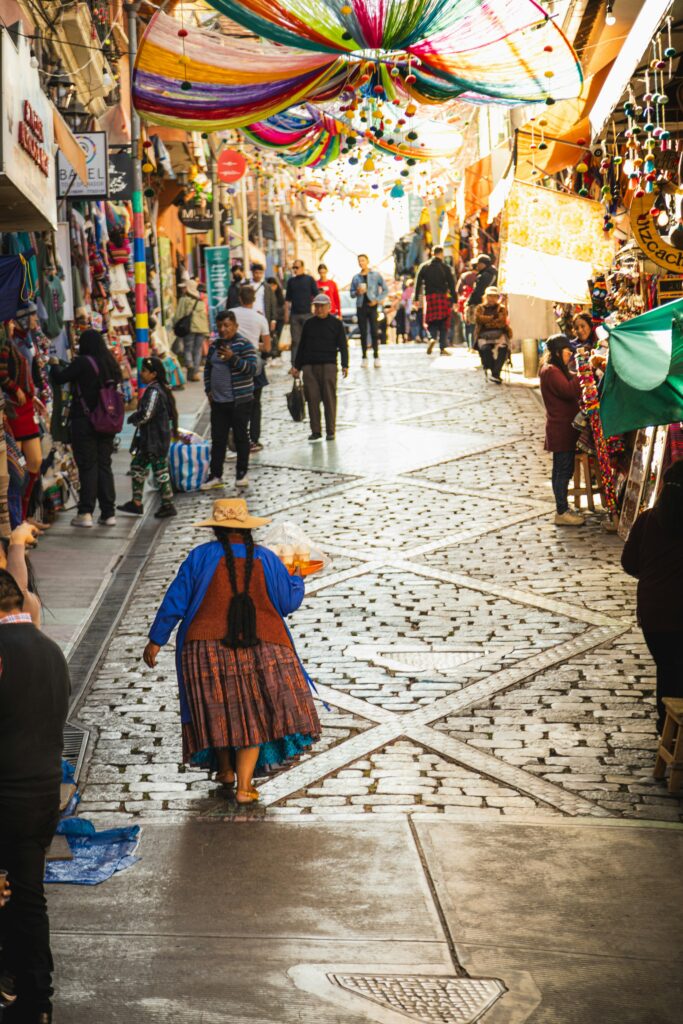

According to Mexico’s Ministry of Economy, FDI reached a recordUS$34.27 billion in the first half of 2025, up 10.2% year-on-year, with new investments growing 3.4 times compared to 2024. The UNCTAD 2024 ranking placed Mexico 11th globally for foreign investment inflows, underscoring its strategic role as an entry point for businesses into Latin America.
The USMCA agreement has also delivered significant results: trade among Mexico, the US and Canada has increased sixfold, generating millions of jobs across the three countries. For international organisations, this integration, alongside Mexico’s strong manufacturing and logistics sectors, makes the country not just attractive, but often essential to a regional strategy. But success here requires more than optimism. Regulatory complexity, inequality and regional differences mean that brands need genuinely local insight and on the ground support to navigate the market effectively.

15.8% of the urban population lives in poverty, while the percentage rises to 61.8% in rural areas. The total population in this situation amounts to 3.25 million people. The main needs identified by the INE are housing (64.2%), education (31%) and water and sanitation services (28.8%).
One of the main challenges facing the Bolivian economy is informal employment, which according to the ILO exceeds 80%. Added to this is the need to strengthen the business fabric, which is still dominated by very small units. As of June 2025, 70.6% of the 121,952 companies registered in the country’s current business database are sole proprietorships, 27.3% are limited liability companies, 1.6% are public limited companies and 0.5% are other legal forms. Seprec data show that most of these businesses are concentrated in services, commerce, construction, and manufacturing.

Mexico’s consumers are increasingly shaped by a mix of technology, value-consciousness and local pride.
A 2025 Ernst & Young study shows that 75% of Mexicans expect brands to invest in innovation, while nearly half (47%) already see AI as more effective than human support. For international companies, this underlines the need for campaigns that combine creativity with technological relevance.
Digital adoption is central to this picture. According to Statista, 88% of Mexican adults own a smartphone, and 73% of online purchases are made via mobile devices. More than half (52%) of the population made at least one online purchase in the past year.
With 71% of consumers reporting they have bought a product influenced by social media ads (particularly on Facebook, Instagram and TikTok) mobile-first, social-first strategies are essential to success.
At the same time, consumer confidence is strong, with INEGI reporting a 46.7-point increase in 2025 in its Consumer Confidence Index. For international organisations, this presents a unique opportunity: with trust levels rising, brands that can demonstrate cultural relevance and deliver genuine value will be best positioned to grow.
Bolivia has made significant progress in financial inclusion. As of June 2025, the Financial System Supervisory Authority (ASFI) shows that 97.1% of the country’s 329 municipalities have financial service coverage. This result did not come about on its own. The strength of the financial system, combined with its integration with fintech and constant innovation, has enabled the sector to demonstrate leadership even at the regional level, as in the case of microcredit. This strength has allowed it not only to maintain its position, despite the adverse context of recent years, but also to successfully incorporate new user-oriented tools and technologies, such as QR code payments and digital asset management.
The penetration of technology has played a fundamental role in this process. In the first quarter of 2025, the ATT registered 12.03 million active mobile phone lines, of which 75.7% are in La Paz (29.5%), Santa Cruz (28.5%) and Cochabamba (17.7%). In 2013, less than one million lines offered 3G or 4G, but that figure exceeded 11 million in June 2024. According to the 2024 Census, 87.7% of households in urban areas have internet access (fixed or mobile), compared to 53.9% in rural areas. The rollout of 5G is still pending, although there has been preliminary progress.
In addition, since June 2024, the ban on cryptocurrencies in Bolivia has been lifted, and since then the market has been booming. Bolivia crypto transactions up over 530% amid currency woes and big players of the market are entering the market. The Bolivian central bank pointed out that transactions using Electronic Payment Channels and Instruments for Virtual Assets (VA) grew from $46.5 million in the first half of 2024, to $294 million in the same period of 2025.
Traditional media (radio and television) maintain a significant reach in rural areas and among older segments of the population, while the national and regional print media continue to be relevant for public agendas.
In the digital world, the dominant networks are Facebook and Instagram, with a large user base, while TikTok is showing strong growth among young people. WhatsApp, for its part, is the main channel for dissemination and coordination.
There are approximately 7.55 million social media users, representing 60.5% of the total population. Facebook has 7.55 million users, TikTok 7.39 million, YouTube 5.57 million, Instagram 2.2 million, LinkedIn 1.5 million, and X (Twitter) 567,000.
With its demographic and socioeconomic diversity, Bolivia presents a complex picture in terms of consumer preferences and behaviours. A study by Captura Consulting in March 2023 reveals a contrast in media consumption between the dynamics of the cities of the central axis.
In Santa Cruz, television and the internet lead the way, with penetration rates of 78% and 91% respectively. From dawn to dusk, the people of Santa Cruz are connected to the digital world and prefer social networks such as Facebook, YouTube and TikTok. Radio remains important in the early hours of the day, while newspapers struggle to maintain their relevance in an increasingly digitalised world.
In La Paz, radio is the centre of information from dawn to midday, with a reach of 65%. Television (92%) and the internet (95%) remain powerful, but radio maintains a strong presence in the La Paz media landscape.
In Cochabamba, television and radio share the limelight, with a penetration of 77% and 46%, respectively. From prime time television to morning radio programmes, Cochabamba residents are connected through traditional media. However, the internet and social media are on the rise, with a penetration rate of 94% and a strong presence of platforms such as Facebook, YouTube and TikTok. The print media is struggling to maintain its relevance, but attention is increasingly shifting to digital.


According to INEGI, 96.5% of Mexicans live in family households, with an average of four people per home. In many traditional families, women still play the leading role in purchasing decisions, while younger households tend to share responsibilities more equally. Across both, family gatherings and social events remain important consumption moments.
In recent years, technological advances, social media, political pressure and the pandemic have ultimately led to the collapse of a private media structure that relied on traditional media.
The print media, which generally set the country’s news agenda, was weakened by declining advertising revenue and sales, leading to the closure or restructuring of the most important outlets, as well as the departure of experienced journalists who, in many cases, created their own digital media or programmes that found a home on radio stations or television channels.
Today, the country has 537 media outlets, of which 53% are traditional (television, radio, print media) and 37% are digital. One aspect to take into account is that most traditional media also have websites through which they share their news and commercial content. This, together with the significant presence of digital media, responds to the massive migration of media consumption to internet platforms.
According to a study by the consulting firm Kreab, most of the media outlets are located in Santa Cruz (105 traditional and 70 digital), La Paz (70 traditional and 52 digital) and Cochabamba (45 traditional and 13 digital).
Gastronomy is important in both cultural and economic terms. In 2010, UNESCO recognised Mexican cuisine as Intangible Cultural Heritage of Humanity, a designation that continues to shape national pride and identity.
Gastronomy also drives economic activity: Mexico’s Ministry of Tourism estimates that food generates 245.46 billion pesos annually, representing 30% of tourism consumption.
In Bolivia, communications campaigns succeed when credibility meets cultural relevance. Messages grounded in verified data, authentic spokespersons and local context are the ones that truly resonate. To reach Bolivian audiences effectively, it’s not enough to translate global messages, they must be adapted to each region’s language, socio-economic reality and unique identity.
That’s where local expertise makes the difference. Working with a trusted partner like Sherlock Communications gives international organisations access to a team that understands both the cultural and regulatory landscape, and the relationships that shape it.
Geographical differences, cultural traits, and the particular progress of each region in Bolivia have generated unique characteristics in terms of business development and relationships.
For international brands, this mix of cultural depth and structural change represents both opportunity and complexity. Messages that succeed in Santa Cruz’s outward-looking, business-driven environment may not resonate in La Paz, where politics and tradition carry more weight, or in rural communities where radio remains the most trusted medium. Successful campaigns in Bolivia require not just translation but genuine cultural interpretation, understanding how audiences perceive innovation, credibility and social purpose within their own realities.
Similarly, the country’s increasing digital maturity means campaigns must integrate online and offline channels, combining high-impact creative with grassroots community engagement. A strong story or partnership can spread rapidly, but tone and relevance are everything. At Sherlock Communications, we help clients navigate this environment by combining on-the-ground insight with regional consistency, ensuring messages resonate locally while aligning with global brand identity.
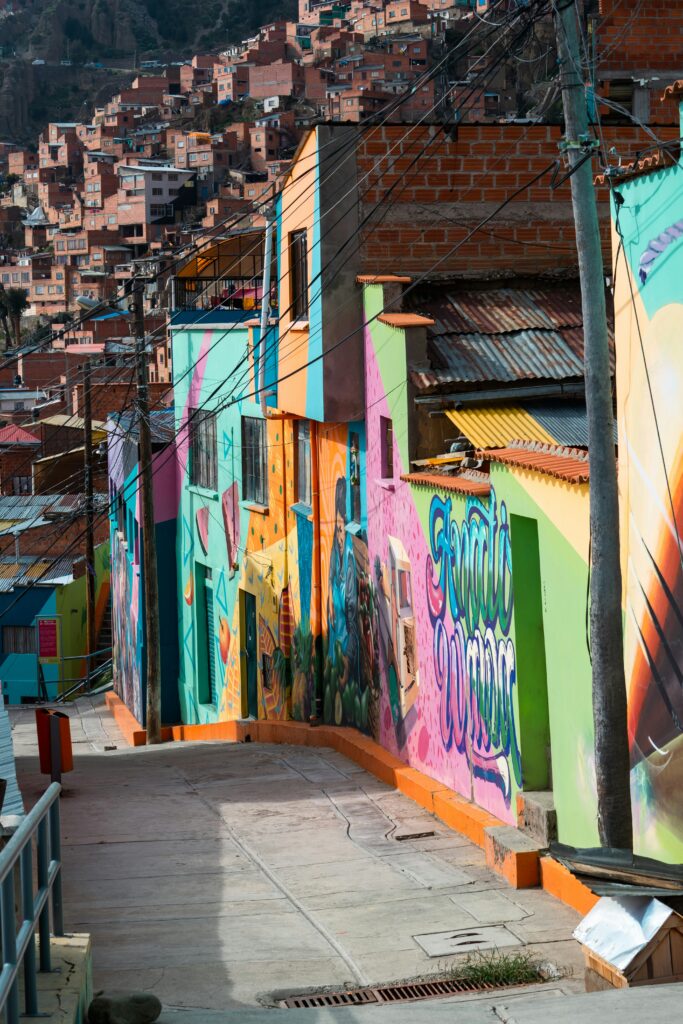
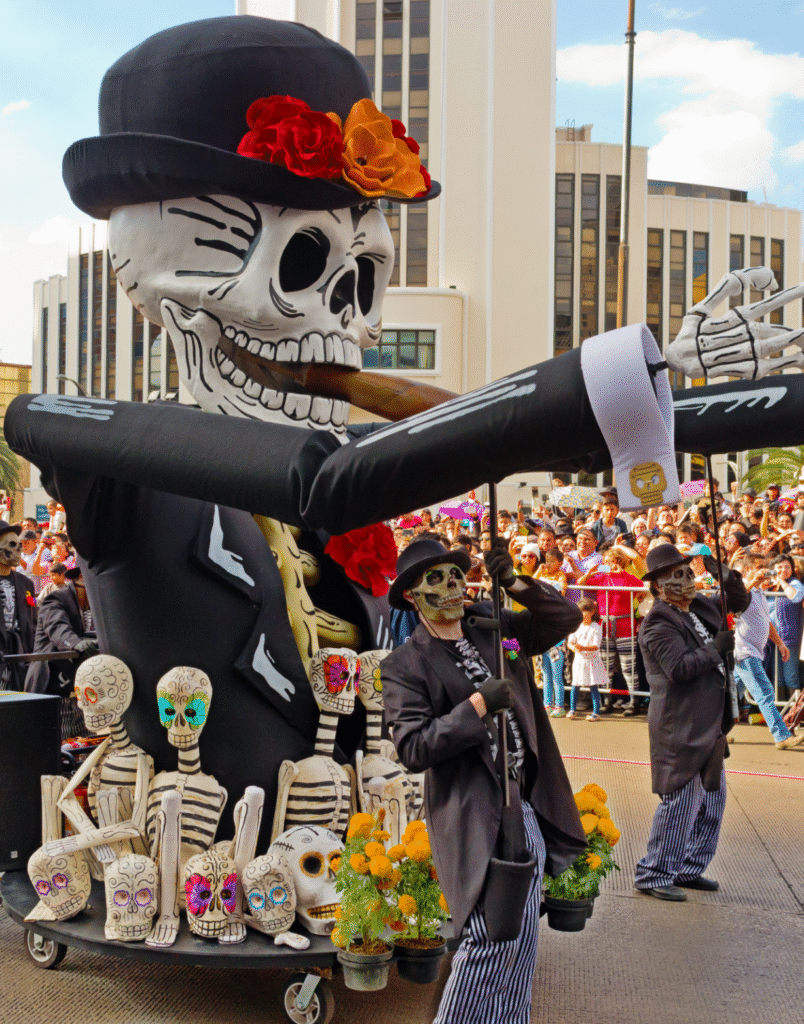
Festivities are a major trigger for spending. National holidays and celebrations such as Independence Day, Day of the Dead and Christmas posadas regularly spark peaks in household consumption.
Some studies suggest food and beverage spending can rise by as much as 40–50% during Independence Day celebrations, while research into middle-income urban households indicates that annual spending on celebrations can represent a significant share of household budgets.
For international brands, these numbers reinforce a key message: campaigns that embrace cultural identity, traditions and everyday family life are far more likely to resonate with Mexican consumers than those that simply replicate global playbooks.
When it comes to social platforms, Facebook dominates, with one in three respondents naming it the most trustworthy news source. Twitter (28%) and YouTube (20%) also scored highly, while WhatsApp (8%), LinkedIn (5%) and Instagram (just 4%) ranked lower.
For international organisations, the implication is clear: media strategies must reflect Mexico’s unique trust patterns. While Instagram can drive success in markets such as Brazil, in Mexico Facebook, Twitter and YouTube may offer stronger opportunities for PR and digital campaigns.
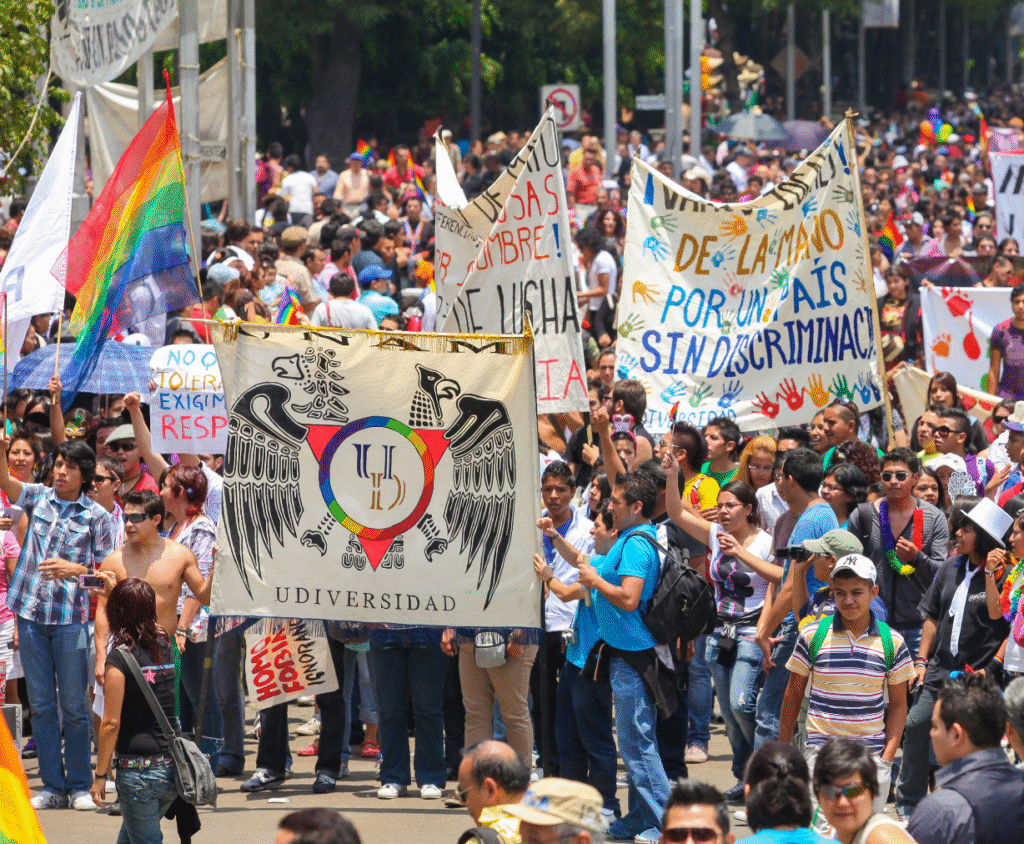
Like much of Latin America, Mexico’s media still has blind spots in representing diversity, from the LGBTQIAP+ community to women, people with disabilities and indigenous peoples.
For brands entering the market, this lack of representation creates both a challenge and an opportunity: campaigns that engage authentically with diverse communities stand out and resonate more deeply.