
Sherlock Communications helps international organisations enter, grow and thrive in Colombia. From our Bogota office, we combine local cultural insight, deep media relationships, and digital expertise with global standards of creativity and strategy. We work exclusively with international clients, serving as a bridge between global ambitions and Colombia’s complex, fast-evolving communications landscape.
Colombia is a country of contrasts: economically stable yet socially diverse; innovative yet unevenly developed. Home to nearly 53 million people, it has maintained macroeconomic stability for decades, supported by solid institutions, an independent central bank and a flexible exchange-rate regime.
However, steady growth has not eliminated the country’s challenges. Productivity gains have slowed over the past two decades, limiting convergence with high-income economies and slowing progress in reducing regional and social inequality. Despite its strategic location and multiple trade agreements, Colombia’s integration into global markets remains limited, constraining export diversification and innovation.
For international brands in the market, these dynamics shape the communications landscape. Campaigns need to navigate an environment where regional disparities, social sensitivities and public trust play a decisive role. Building credibility in Colombia means going beyond messaging; it requires understanding the country’s cultural nuances, institutional structures and the everyday realities that shape how people consume information and form opinions.
Colombia is as diverse linguistically and culturally as it is geographically. Spanish is the official language, spoken by most of the population, while English holds co-official status on the Caribbean islands of San Andrés, Providencia, and Santa Catalina. Across the country, 89 languages coexist, 83 of them indigenous and two creole, reflecting a deep multicultural identity that needs to be reflected in brands’ communication styles and regional perspectives.
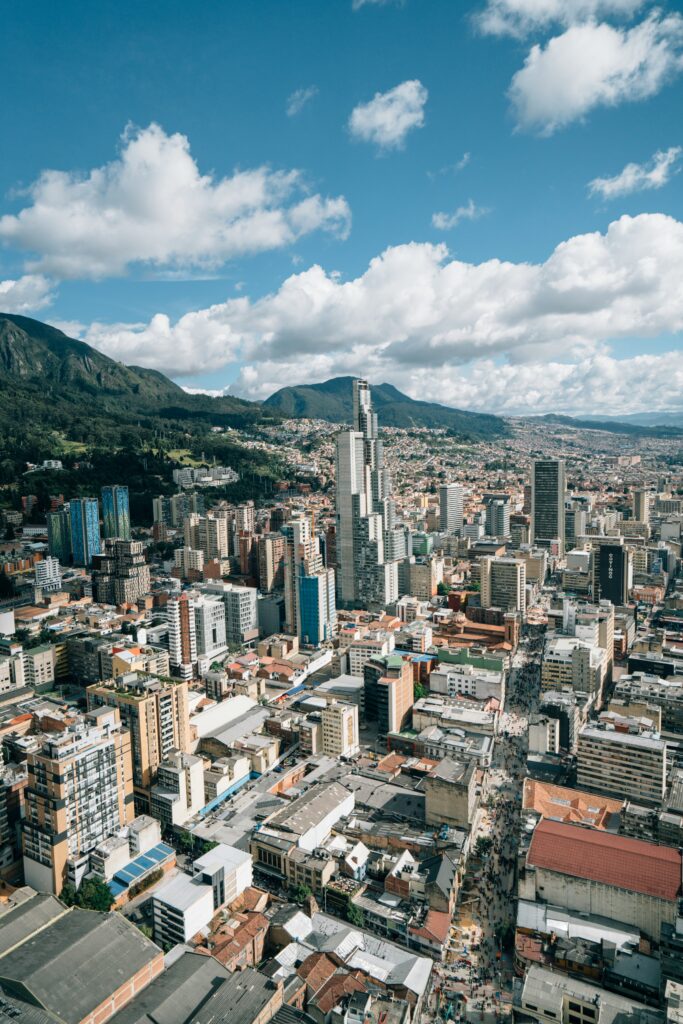
Bogota, the capital, epitomises this diversity. A city of contrasts, it blends history and modernity, tradition and innovation. Home to around 10 million residents and daily commuters, it’s one of Latin America’s largest and most dynamic urban hubs and is a centre for politics, culture, business and creativity. It is ranked as one of the cities with the greatest investment opportunities in Latin America and the world.
For international brands, the capital represents both opportunity and challenge. It’s the gateway to Colombia’s national conversation and a testing ground for ideas that can later be localised across regions such as Antioquia, Valle del Cauca, and the Caribbean coast, each with its own rhythm, humour and social codes.
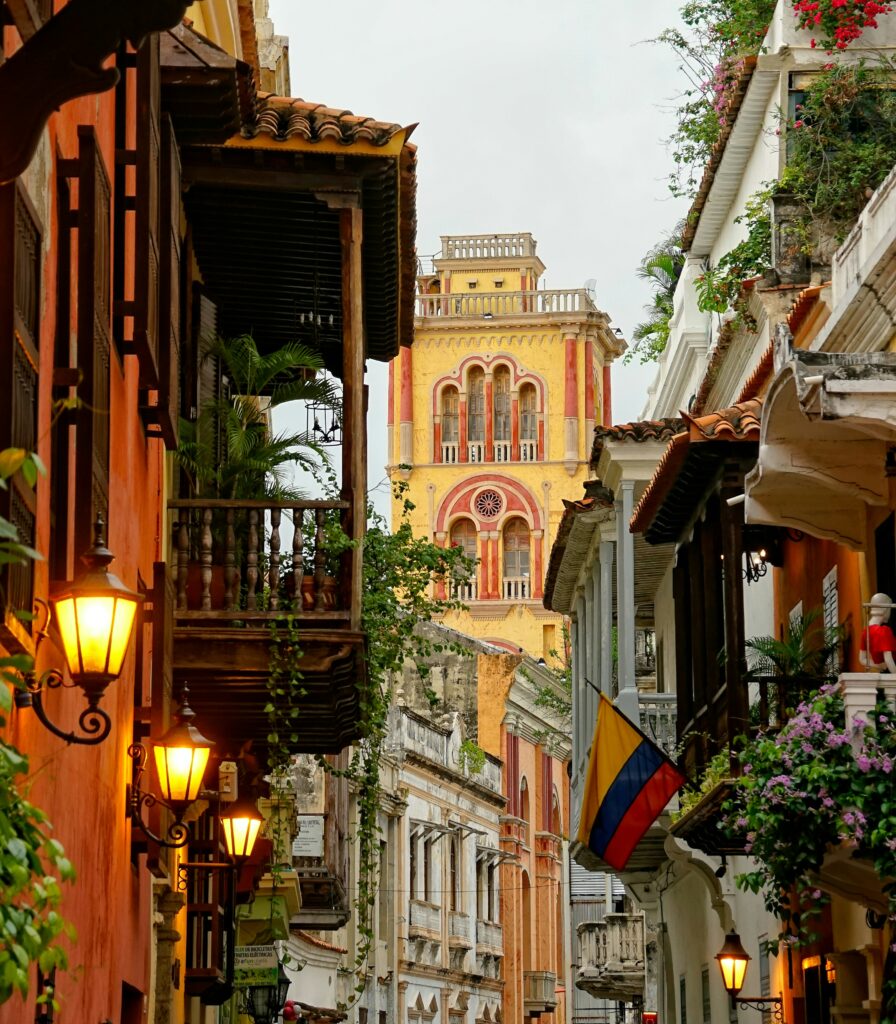

According to Mexico’s Ministry of Economy, FDI reached a recordUS$34.27 billion in the first half of 2025, up 10.2% year-on-year, with new investments growing 3.4 times compared to 2024. The UNCTAD 2024 ranking placed Mexico 11th globally for foreign investment inflows, underscoring its strategic role as an entry point for businesses into Latin America.
The USMCA agreement has also delivered significant results: trade among Mexico, the US and Canada has increased sixfold, generating millions of jobs across the three countries. For international organisations, this integration, alongside Mexico’s strong manufacturing and logistics sectors, makes the country not just attractive, but often essential to a regional strategy. But success here requires more than optimism. Regulatory complexity, inequality and regional differences mean that brands need genuinely local insight and on the ground support to navigate the market effectively.
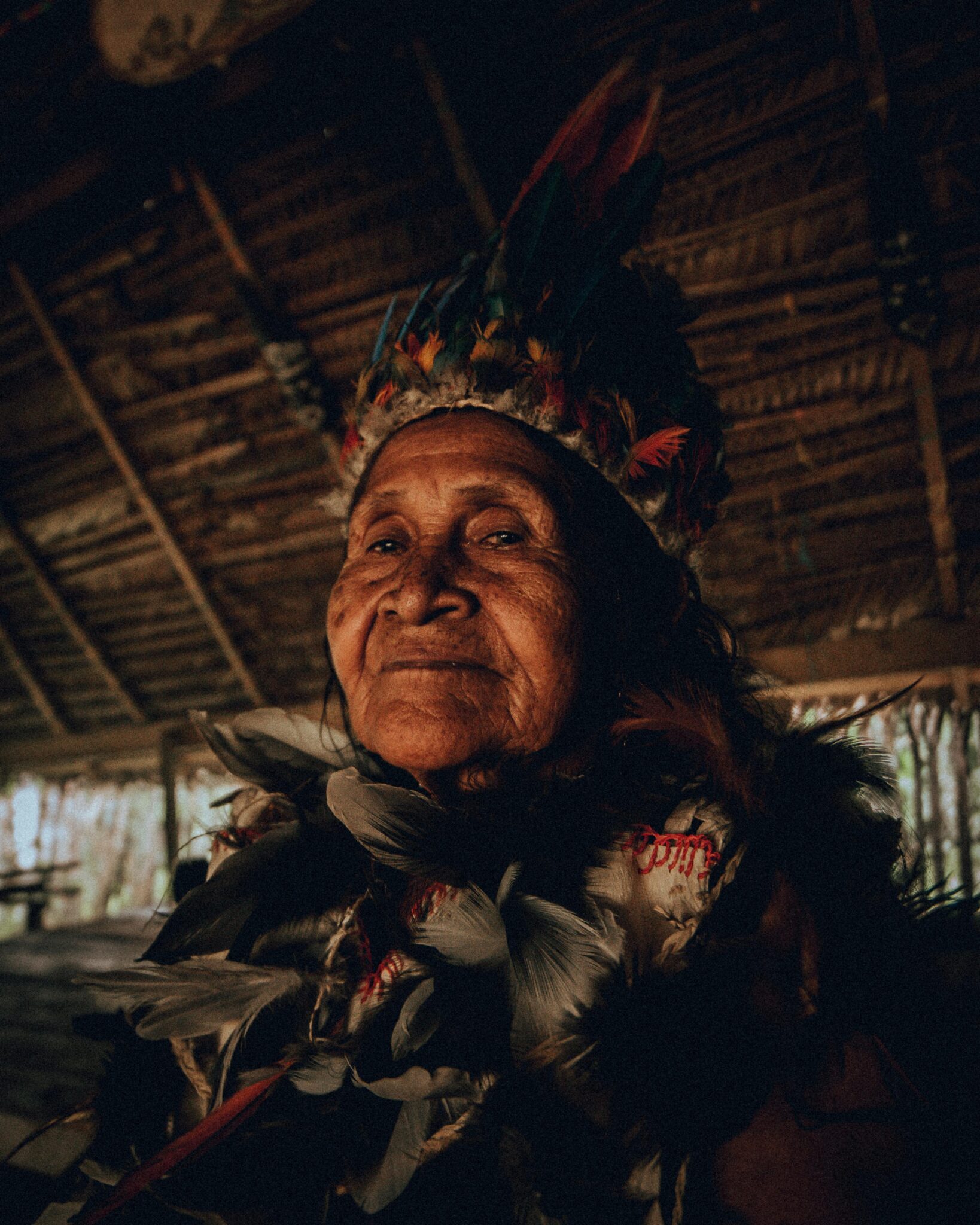
Colombia’s diversity is reflected not only in its geography but also in its ways of speaking, celebrating, and doing business. Regional culture shapes communication at every level. In Bogota, professional life tends to be more formal, while in Medellín and Barranquilla it is defined by a spirit of entrepreneurship, openness and creativity.
Spanish is the dominant language, yet each region gives it a distinct rhythm and personality; from the melodic Paisa accent to the lively Costeño and measured Rolo tones. These variations are often more than linguistic; they reflect identity, pride and belonging. For brands, understanding these subtleties is key to building authentic connections with audiences across the country.
Geography has long contributed to Colombia’s regional diversity. The Andes, coastlines, and jungles have shaped isolated cultural identities, while shared passions (especially football and Carnival) unite the nation in moments of collective joy. These events are more than entertainment; they are expressions of emotion, resilience and community that define how Colombians connect and communicate.
Music and storytelling are also central to Colombian identity. From cumbia and vallenato to global icons like Shakira, and from the magical realism of Gabriel García Márquez to contemporary digital creators, narrative and rhythm remain powerful tools for engagement. They remind us that successful communication for brands in Colombia blends emotion, imagination and truth.

Mexico’s consumers are increasingly shaped by a mix of technology, value-consciousness and local pride.
A 2025 Ernst & Young study shows that 75% of Mexicans expect brands to invest in innovation, while nearly half (47%) already see AI as more effective than human support. For international companies, this underlines the need for campaigns that combine creativity with technological relevance.
Digital adoption is central to this picture. According to Statista, 88% of Mexican adults own a smartphone, and 73% of online purchases are made via mobile devices. More than half (52%) of the population made at least one online purchase in the past year.
With 71% of consumers reporting they have bought a product influenced by social media ads (particularly on Facebook, Instagram and TikTok) mobile-first, social-first strategies are essential to success.
At the same time, consumer confidence is strong, with INEGI reporting a 46.7-point increase in 2025 in its Consumer Confidence Index. For international organisations, this presents a unique opportunity: with trust levels rising, brands that can demonstrate cultural relevance and deliver genuine value will be best positioned to grow.
After a period of slowdown, Colombia’s economy has been showing steady signs of recovery. According to the Bank of the Republic, GDP returned to growth in late 2023 and continued expanding throughout 2024, with the agricultural sector leading the rebound, growing at an average annual rate of nearly 9%. Services and primary industries remain strong, while manufacturing continues to lag behind.
Looking ahead, projections suggest annual growth of around 2.9% between 2025 and 2029, with inflation expected to stabilise at the 3% target. For brands, this signals a cautiously optimistic environment: a resilient consumer base, improving confidence and a growing appetite for innovation, even amid persistent structural challenges.
Inequality, however, remains a defining feature of the Colombian economy. Despite progress (the Gini index improved from 0.55 to 0.49 over the past decade) the country remains one of the most unequal in Latin America. This economic divide shapes consumer behaviour and expectations: trust, fairness and social responsibility are key factors influencing how Colombians perceive companies and their communications.
Colombia’s steady economic growth has gone hand in hand with expanding financial inclusion. According to the Financial Superintendency, the percentage of adults with access to a financial product rose from 92.3% to 94.6% between 2022 and 2023, equivalent to more than 36 million Colombians using transactional, savings or financing services. The most common product remains the savings account, held by over 30 million adults nationwide.
This increasing access to formal banking reflects not only progress in financial literacy and digitalisation, but also growing consumer confidence. Colombia’s per capita GDP, now at around US$6,850, places it among the region’s top ten economies, signalling an expanding middle class and stronger purchasing power.
For international brands, these trends point to an audience that is more connected, more digitally active, and more willing to engage in formal economic activity. However, inclusion is not only financial, it is cultural. Success in Colombia means understanding that access and trust go hand in hand. Transparent communications, locally relevant campaigns and credible storytelling are essential to reaching consumers who value reliability and social responsibility in equal measure.


According to INEGI, 96.5% of Mexicans live in family households, with an average of four people per home. In many traditional families, women still play the leading role in purchasing decisions, while younger households tend to share responsibilities more equally. Across both, family gatherings and social events remain important consumption moments.
Over the past 15 years, Colombia’s tourism industry has evolved into a vital pillar of the national economy, far surpassing pre-pandemic levels. According to DANE, tourism contributed US$33.2 billion in 2023, its highest figure since records began, representing a 12.8% increase year-on-year and a 31% jump from 2019. This growth has been driven by a rise in international arrivals, improved air connectivity, and the diversification of destinations beyond the traditional hotspots of Cartagena and Bogota.
From the beaches of Tayrona and the coffee landscapes of Quindío to the Amazon and the urban innovation of Medellín, Colombia’s tourism narrative has expanded to reflect the country’s regional diversity. The sector now ranks ninth among contributors to national value added, underscoring its role as both an economic driver and a catalyst for cultural pride.
However, challenges persist. Limited infrastructure in remote areas, safety perceptions, and the need for sustainable tourism practices remain key priorities. Colombia ranks 109th globally for land and port infrastructure, highlighting the need for responsible investment and communication strategies that build trust with both domestic and international audiences.
Gastronomy is important in both cultural and economic terms. In 2010, UNESCO recognised Mexican cuisine as Intangible Cultural Heritage of Humanity, a designation that continues to shape national pride and identity.
Gastronomy also drives economic activity: Mexico’s Ministry of Tourism estimates that food generates 245.46 billion pesos annually, representing 30% of tourism consumption.
Business in Colombia is built on personal relationships and trust. Successful partnerships depend on proximity, authenticity,and respect for regional diversity, including the increasingly influential role of women in business leadership. For international companies, understanding this human side of business is essential to earning credibility and achieving long-term success.
Colombia’s economy continues to diversify, creating opportunities across technology, agriculture, tourism and renewable energy. Its strategic location, improving infrastructure, and government incentives make it one of the most attractive destinations for foreign investment in Latin America.
Since the post-pandemic recovery, sectors such as agriculture, public administration, transportation, and recreation have been among the most dynamic. Notably, entertainment was the only macro-sector to increase its growth rate beyond pre-pandemic levels, reflecting a national appetite for culture, creativity, and digital innovation.
While global volatility and domestic inflation remain challenges, the outlook for Colombia’s key industries is cautiously optimistic.
Agriculture and tourism will continue to drive exports and employment, with coffee, fresh produce and ecotourism at the forefront.
At Sherlock Communications, we help brands position themselves within these fast-moving sectors by combining local insight, media intelligence, and data-driven strategy.
Whether promoting sustainable agriculture, fintech innovation or creative industries, our goal is to ensure that every campaign resonates with the people and priorities shaping Colombia’s growth.
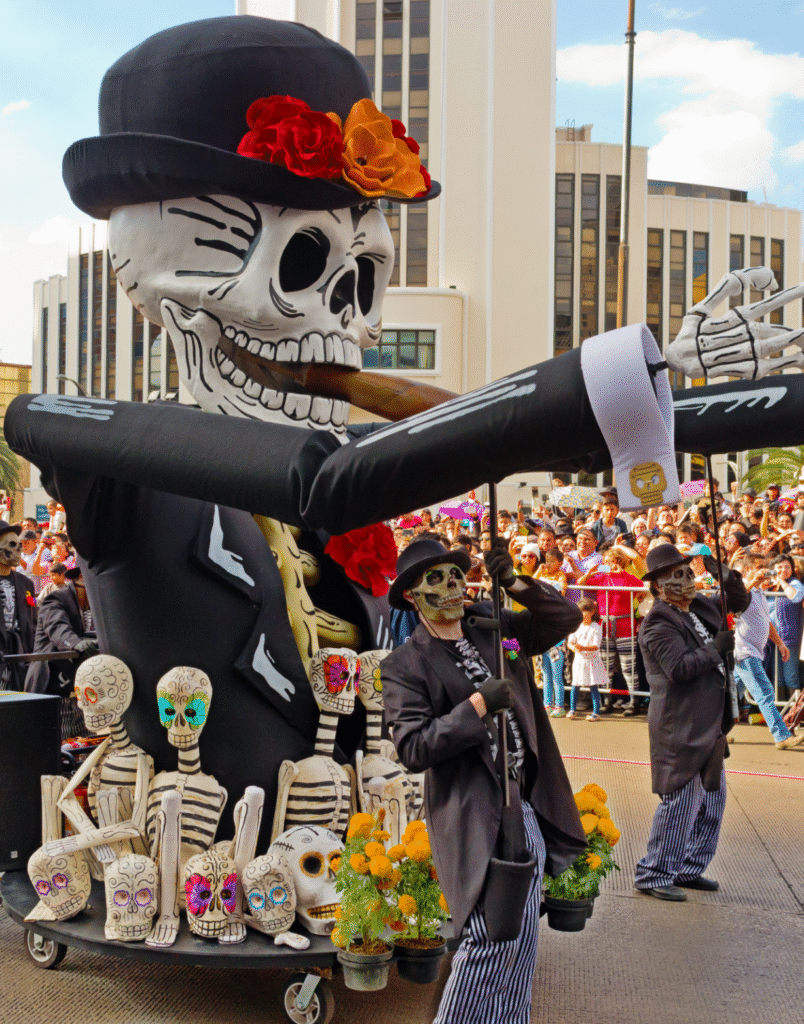
Festivities are a major trigger for spending. National holidays and celebrations such as Independence Day, Day of the Dead and Christmas posadas regularly spark peaks in household consumption.
Some studies suggest food and beverage spending can rise by as much as 40–50% during Independence Day celebrations, while research into middle-income urban households indicates that annual spending on celebrations can represent a significant share of household budgets.
For international brands, these numbers reinforce a key message: campaigns that embrace cultural identity, traditions and everyday family life are far more likely to resonate with Mexican consumers than those that simply replicate global playbooks.
Colombia’s media ecosystem has transformed dramatically over the past two decades. Traditional outlets such as print, radio and television still hold influence but now share attention with a vibrant mix of digital platforms. As audiences diversify and screen time increases, brands must craft integrated strategies that speak fluently across both worlds: local and digital; traditional and social.
According to Statista, internet penetration in Colombia now exceeds 77% and social media has become part of daily life for millions. The country has more than 39.8 million active users, representing a 69% penetration rate that is expected to surpass 45 million by 2029. Platforms like Facebook, Instagram, TikTok and WhatsApp have revolutionised how Colombians communicate, discover brands, and make purchasing decisions, particularly among younger demographics.
Yet, traditional media remains remarkably strong. Television continues to shape public opinion, while radio remains the country’s most widely consumed medium. A 2022 study by the Communications Regulation Commission (CRC) found that 60% of Colombians listen to the radio daily and overall penetration has remained above 70% for the past five years. FM dominates with 72% of listeners, but AM frequencies and digital radio also retain loyal audiences, particularly in rural and regional communities.
For international brands, Colombia’s media landscape demands nuance, a balance between digital innovation and respect for enduring habits. Campaigns that integrate storytelling across both new and traditional channels, supported by local insight and cultural understanding, are far more likely to gain trust and engagement.
Colombia’s digital transformation continues at a rapid pace. According to the Ministry of ICT, the country closed the first quarter of 2025 with over 49 million internet connections, reaching 92% of the population. 4G technology still dominates with 83% of connections, but 5G is growing fast, already accounting for nearly 10% of total access and adding 2.5 million new users in the past year alone.
Infrastructure expansion, affordable smartphones, and growing awareness of 5G’s advantages — such as faster speeds and lower latency — have fuelled adoption, particularly in major cities. Bogota leads the way with 29 connections per 100 inhabitants, followed by Antioquia (24) and Risaralda (23). Average download speeds have reached 236 Mbps, up 10 Mbps from last year, reflecting the country’s steady digital progress.
Mobile usage in Colombia has also exploded. With 78.3 million active mobile connections (equivalent to 147% of the population) and more than 41 million internet users, Colombia is one of Latin America’s most mobile-first nations.
Urbanisation continues to rise, with 82% of Colombians now living in cities, and 89.5% of all internet users engaging on at least one social media platform.
Social media is also central to everyday life. As of early 2025, 36.8 million Colombians are active users, representing 69% of the total population, and 91.5% of adults over 18. Platforms such as WhatsApp, Instagram, TikTok, and Facebook dominate both personal and professional communication, shaping how people interact with brands, consume news, and make purchasing decisions.
For international companies, these figures represent more than just connectivity, they signal a fundamental shift in communication culture. Colombia’s young, digital-native population expects content that is visual, mobile-friendly, and conversational.
When it comes to social platforms, Facebook dominates, with one in three respondents naming it the most trustworthy news source. Twitter (28%) and YouTube (20%) also scored highly, while WhatsApp (8%), LinkedIn (5%) and Instagram (just 4%) ranked lower.
For international organisations, the implication is clear: media strategies must reflect Mexico’s unique trust patterns. While Instagram can drive success in markets such as Brazil, in Mexico Facebook, Twitter and YouTube may offer stronger opportunities for PR and digital campaigns.
Since the pandemic, e-commerce has evolved from a convenience to a cornerstone of Colombia’s economy. According to the Colombian Chamber of Electronic Commerce (CCCE), online sales grew by 26.7% in 2024, reaching 105 billion pesos and totalling over 511 million transactions, a 21% increase year on year. This growth has been fuelled by innovation and accessibility, with new technologies like AI improving customer service, logistics and data analysis, particularly for small and medium-sized businesses that form the backbone of Colombia’s economy.
Looking ahead, the CCCE forecasts a 19% rise in total transaction value and an 18% increase in the number of transactions in 2025, signalling continued expansion despite regulatory and payment landscape shifts.
Consumer behaviour is driving much of this momentum. Eighty-eight percent of Colombian adults shop online, and 87% use mobile devices to make purchases (PCMI). According to Visa’s Digital Score study, Colombia also leads the region in online consumer sophistication, with 17% of digital shoppers classified as “High Digital”, meaning they actively prefer online over in-person transactions.
This digital boom has also transformed logistics. The Ministry of ICT reports that nearly all postal operators now deliver to Bogota, Medellín, Cali, Barranquilla, Bucaramanga, and Cartagena, while 91% reach other departmental capitals and 76% even deliver to rural areas. E-commerce has become a true nationwide force, connecting communities that were once outside the formal economy.
For international brands, these trends highlight a market primed for growth, but also one that requires precision. Colombian consumers are informed, mobile-first and expect brands to meet them where they are: across multiple platforms, with secure payments, trustworthy information and fast delivery.

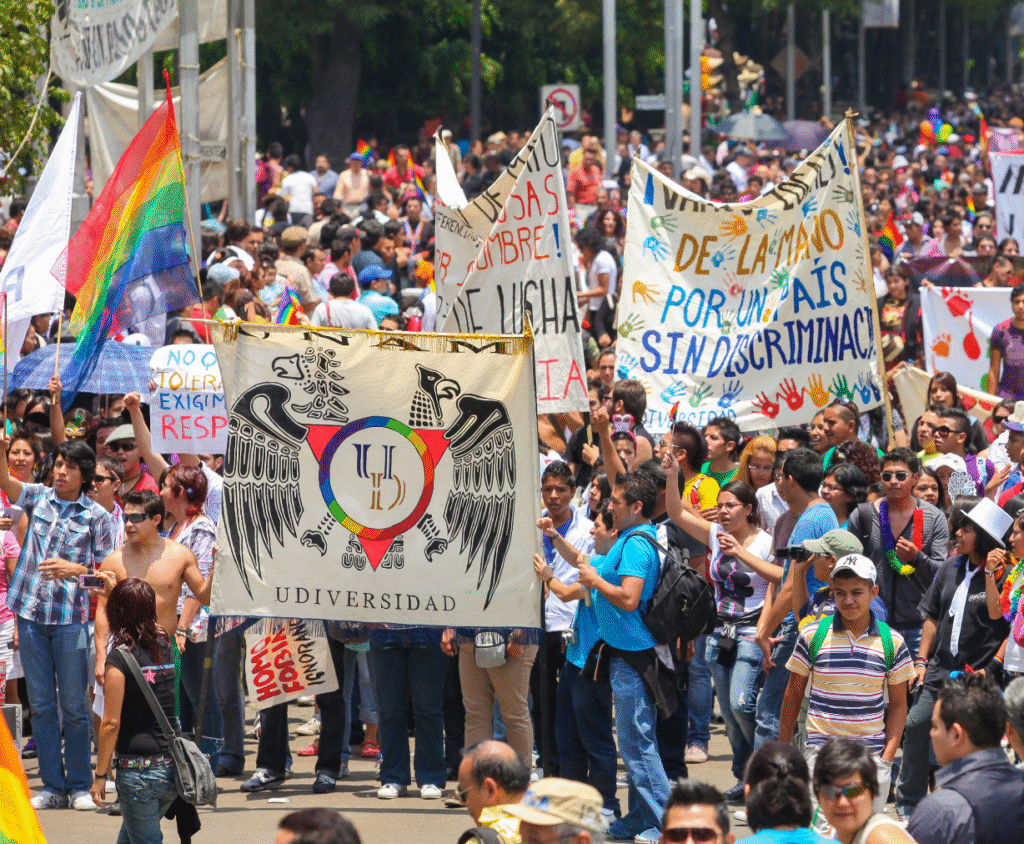
Like much of Latin America, Mexico’s media still has blind spots in representing diversity, from the LGBTQIAP+ community to women, people with disabilities and indigenous peoples.
For brands entering the market, this lack of representation creates both a challenge and an opportunity: campaigns that engage authentically with diverse communities stand out and resonate more deeply.
Colombia’s communications landscape is as diverse and dynamic as the country itself. Understanding its complex mix of traditional media powerhouses, rapidly expanding digital ecosystems and evolving public trust is key to building effective, credible campaigns.
Large conglomerates still dominate television, print, and radio, particularly Ardila Lülle, Valorem, and PRISA, shaping much of the national news agenda. Yet, digital platforms are steadily levelling the field. YouTube, TikTok, and Instagram have become central to how Colombians consume news, culture and branded content, thanks to the influence of creators who connect with audiences through authenticity and humour.
Despite this shift, television remains widely trusted, reaching over 94% of households, and radio continues to enjoy daily listenership of more than 60%, especially outside the major cities. However, media concentration and limited local coverage mean that almost 60% of the population lacks access to regional outlets; an imbalance that also creates opportunity for innovative digital storytelling.
Press freedom and editorial independence remain sensitive issues. Studies by the Foundation for Press Freedom (FLIP) and Reuters Institute reveal that nearly half of Colombian journalists report political or commercial pressure, often tied to advertising contracts. This has reinforced low levels of public trust: just 35% of Colombians say they believe the news they read , and has made transparency and credibility central to any communications strategy.
For brands, this environment demands care and clarity: factual accuracy, well-sourced data, and a strong ethical stance are essential to maintaining credibility with journalists and the public alike.
In Colombia, crisis management begins with mapping the audience impact and assessing reputation risks before deciding which outlets to engage proactively or reactively. The most effective strategies combine traditional and niche digital media, supported by clear, consistent messaging from credible spokespersons.
At Sherlock Communications, we develop detailed media maps and crisis protocols tailored to each client, identifying trusted journalists, influencers, and opinion leaders who can help manage narratives with authenticity and balance.
Colombia’s diversity extends beyond its geography. Cultural, linguistic, and economic nuances vary sharply between Bogota, Medellín, Cali and the Caribbean coast. Building a strong brand reputation requires an understanding of these subtleties, as well as established relationships with local media, institutions, and influencers.
At Sherlock Communications, our Colombian team brings together public relations, digital, and creative specialists based in Bogotá and across the country. We combine deep local knowledge with international experience, helping global brands build meaningful relationships with Colombian audiences.
Our consultants understand the subtleties of regional communication; from how journalists in Bogotá frame economic stories to how influencers in Medellín or Barranquilla engage their communities online. We design insight-driven campaigns that reflect Colombia’s diversity, align with local values, and achieve measurable results.
We integrate PR, digital marketing, influencer partnerships and creative storytelling into unified strategies that strengthen reputation, drive engagement, and generate real business outcomes.
By partnering with our Colombia team, you gain a local ally who knows the culture, the media, and the audiences that shape opinion every day.