
Sherlock Communications helps international organisations enter, engage and grow in Ecuador. Our local team brings deep cultural understanding, strong media relationships and digital expertise, supported by global standards of strategy, creativity and measurement.
We work exclusively with international clients, acting as a bridge between global objectives and Ecuador’s diverse, fast-changing communications landscape; from the Coast to the Highlands, the Amazon and the Galápagos. Our mission is to help brands build relevance, credibility and long-term impact in one of the region’s most culturally rich and geographically varied markets.
Ecuador is a country of extraordinary diversity, geographic, cultural and generational, and this makes it one of the most dynamic and complex markets in the Andean region. Home to more than 18 million people, with over 60% under the age of 40, Ecuador is a young, digitally active society where expectations of brands are rising quickly.
Politically, Ecuador is navigating a period of transition under the renewed leadership of President Daniel Noboa. The government faces major challenges in security, energy stability and economic acceleration, all of which influence public sentiment and the communications environment. Despite these pressures, Ecuador remains one of the region’s more stable economies, supported by its dollarised system, strong export industries and steady growth in sectors such as agriculture, energy and services.
Ecuador’s combination of cultural richness, regional diversity and rapid digital adoption presents real opportunities ,but also risks, for international organisations. Success depends on understanding how messages resonate across very different audiences and contexts, and how national issues shape public conversation in real time.
To understand Ecuador, brands must understand its regions; each with its own identity, values and communication styles.
Quito, the capital, is the country’s political and administrative centre, home to ministries, regulators, multilateral organisations and a vibrant cultural scene. As a UNESCO World Heritage Site, it blends strong institutional traditions with a growing services economy that spans finance, real estate, professional services and public administration.
Guayaquil, the country’s largest city, is its commercial engine and main port. Known as Ecuador’s economic capital, it drives trade, manufacturing, logistics and innovation. The city’s media influence and entrepreneurial spirit make it a critical market for any national campaign.
Beyond these hubs, Cuenca, Manta, Ambato, Loja and others contribute to the country’s industrial, creative and tourism ecosystems. Meanwhile, the four major regions, Coast, Highlands, Amazon and Galápagos, shape attitudes, tone and communication preferences:
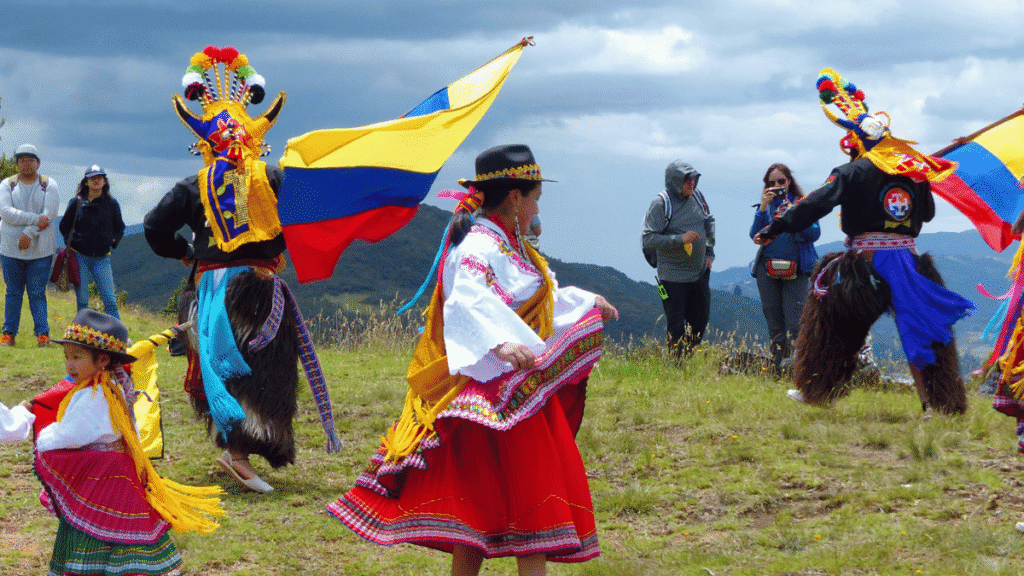
Ecuador’s ethnic diversity, from mestizo and Indigenous communities to Afro-Ecuadorian and Montubio populations, makes cultural sensitivity essential. With only around 12% of the population fluent in English, effective communication depends on Spanish adaptation, regional nuance and local storytelling.
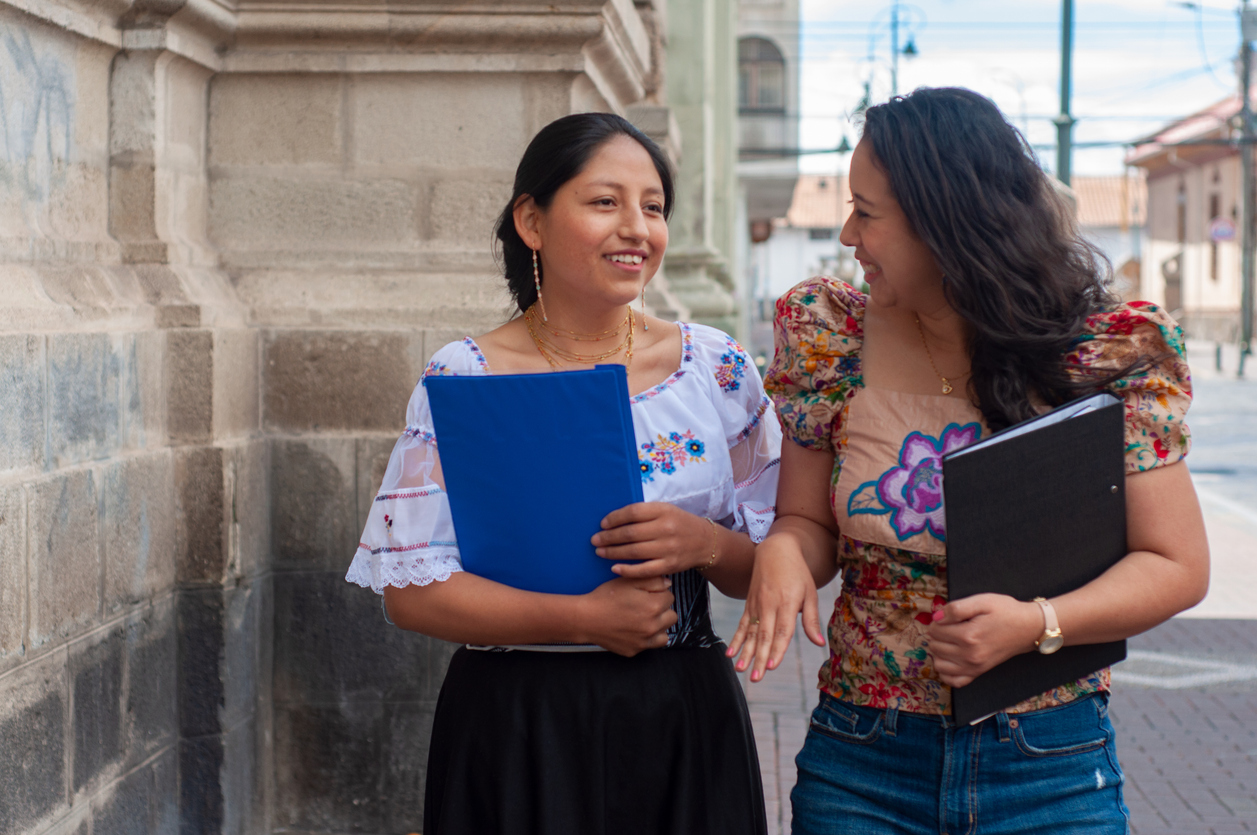
Ecuador’s financial landscape is changing quickly, driven by rising levels of inclusion and the rapid adoption of digital payments. More than 65% of Ecuadorians now hold a bank account, according to Asobanca, and the use of digital wallets such as PayPhone and DeUna has surged by more than 300% in just three years. This shift is reshaping how people buy, save and interact with brands, creating strong opportunities for e-commerce, fintech and mobile-first communication campaigns.
The broader economy has navigated mixed conditions. After contracting by 2% in 2024, largely due to reduced household consumption and public spending, Ecuador returned to growth in early 2025. Central Bank data shows a 3.4% expansion in Q1 2025, driven by household consumption, investment and a notable increase in non-oil exports. Full-year growth is expected to reach 3.8%, outpacing earlier forecasts.
Several sectors are showing particularly strong momentum, including agriculture, livestock, fishing, manufacturing, finance, insurance, arts and trade. Projections for agriculture, food production and commercial activity remain especially positive for the year ahead.
Investment policy also remains favourable. The government continues to promote productive, innovation-driven private investment, supported by tools such as tax incentives under the Organic Code of Production, public-bank financing, customs facilitation and initiatives to strengthen human capital. These measures aim to stimulate job creation, diversify the economy and encourage technological advancement.
For international brands, this combination of rising digital adoption, improving economic conditions and targeted investment policies creates a market where consumers are increasingly connected, open to innovation and eager for practical, accessible digital solutions.
Ecuador’s media ecosystem blends strong traditional influence with fast-growing digital behaviours. According to the Digital News Report 2025, 78% of Ecuadorians get their news from social media and digital platforms, while 58% still rely on television, and 20% turn to print media. Short-form video continues to expand rapidly, driven by TikTok, Facebook and Instagram.
Streaming and OTT consumption also continues to rise: 52% of urban households subscribe to platforms such as Netflix or Amazon Prime. Despite this digital shift, radio remains the country’s most widely accessed medium, reaching 92% of the population, particularly in rural and provincial areas.
Ecuador’s media landscape is also shaped by its history. Major private outlets have traditionally been linked to powerful economic groups, influencing editorial agendas and political narratives. While this concentration remains, the last two decades have also seen the emergence of new platforms that challenge legacy voices and provide more diverse perspectives. Today, Ecuador presents a combination of established institutions, regional community outlets and dynamic digital natives, each shaping public opinion in different ways.
Print newspapers such as El Comercio and El Universo continue to play an institutional role, even as their readership shifts online. Regional radio and television remain essential in the provinces, where they command high levels of trust and daily engagement.
Across the national landscape, several outlets stand out for their reach and influence:
National and traditional outlets
• El Universo and El Comercio — leading references for political and economic reporting
• Ecuavisa, Teleamazonas, RTS — dominant national TV networks
• Radio Caravana, Sucre, La Red — major radio broadcasters with deep penetration
Digital natives and regional voices
• Primicias, GK — influential, urban digital platforms with younger audiences
• Noticias La Unika — strong community presence and credibility in Guayas and southern Ecuador
• Expreso, Extra — popular outlets with wide mass-market reach
Public and international-scope media
• El Telégrafo — the country’s main public outlet
• NotiAmérica — growing digital presence with regional Latin American coverage
• Orgullo Latino — bridging local audiences with the Ecuadorian diaspora in New York
For international organisations, this multifaceted media environment requires precise navigation. Strategies must consider regional differences, the political context behind certain outlets, and the growing importance of digital channels — all while ensuring messages remain authentic, relevant and locally attuned.
Ecuador has experienced one of the fastest digital expansions in the Andean region. According to the Digital 2024 Global Overview, the country now has 17.56 million active mobile connections (96% of the population), 15.29 million internet users (83.6% penetration), and 12.66 million social media users, representing nearly 70% of Ecuadorians.
Connection speeds have improved significantly, and mobile-first usage dominates everyday behaviour. Between January 2023 and January 2024 alone, the number of internet users increased by 571,000, while social media users grew by 659,000, reflecting a 5.5% annual rise. These trends point to a population that is increasingly connected, digitally confident and receptive to online content.
Social platforms are now central to communication, entertainment and commerce. Facebook, TikTok, YouTube and Instagram lead the market, with user bases ranging from 6.5 million to more than 12 million. Messenger and WhatsApp remain essential for community interaction, while LinkedIn and Twitter (X) maintain strong relevance among professionals and opinion leaders. Women represent 52.3% of social media users, with men accounting for 47.7%.
Digital advertising is expanding just as quickly. Ecuador’s ad market reached USD 550 million in 2024, growing 12%, with digital channels now representing 45% of total investment, surpassing broadcast television for the first time. Local influencers and content creators have also become a powerful force, offering brands a direct line to engaged, niche and community-driven audiences.
For international organisations, this digital acceleration means that social or mobile strategies are no longer optional. Brands must combine high-quality creative content, performance marketing and influencer partnerships to remain visible and relevant in one of Latin America’s fastest-evolving digital environments.

E-commerce has become one of Ecuador’s fastest-growing economic engines. According to the Ecuadorian Chamber of Electronic Commerce (CECE), online sales generated more than US $5 billion in 2024, driven by rising connectivity, improved logistics and widespread mobile adoption. Platforms such as Mercado Libre, Rappi and major local retailers dominate the market, with fashion, electronics and home goods among the top-selling categories.
Over the past decade, e-commerce has shifted from an alternative option to a central pillar of the national economy. Events such as CyberDay, which once generated around US $20 million, now exceed US$25 million per edition, highlighting Ecuadorians’ increasing comfort with online purchasing.
Mobile usage has transformed how consumers shop: eight out of ten online purchases are now made from smartphones, following a mobile-first approach that shapes both user expectations and brand strategy. In 2024 alone, the digital ecosystem accounted for nearly 5% of Ecuador’s GDP, with US $4.62 billion in bank-processed online transactions , a 22% increase compared to 2023.
Artificial intelligence, social commerce and live shopping are also reshaping the sales landscape. Consumers increasingly rely on personalised recommendations, real-time customer support and seamless checkout experiences. Sustainability is emerging as a key differentiator, with growing demand for responsible brands and greener logistics.
As online competition intensifies, successful brands are combining performance marketing, SEO, omnichannel customer journeys and creator-driven content to capture attention and convert demand. For international companies, Ecuador’s e-commerce boom represents a significant opportunity, particularly for mobile-first brands that can adapt to evolving digital habits with speed, relevance and cultural nuance.
Ecuador’s diversity makes it one of the most nuanced markets in the region, and one where foreign brands often underestimate the importance of local adaptation. Working with a local partner ensures your message aligns not only with language and culture, but with the realities of each region and audience.
Sherlock Communications’ Ecuador team helps international organisations interpret cultural cues, navigate regional sensitivities and understand how political, economic and social dynamics influence public reaction. We tailor strategies to Coast, Highlands, Amazon and Galápagos audiences, ensuring messages feel authentic rather than imported.
Local insight also maximises the effectiveness of media and digital investment. We know which channels people trust, how communities engage, and which narratives gain traction across a young, digitally driven population. The result is communication that builds trust, credibility and long-term loyalty.
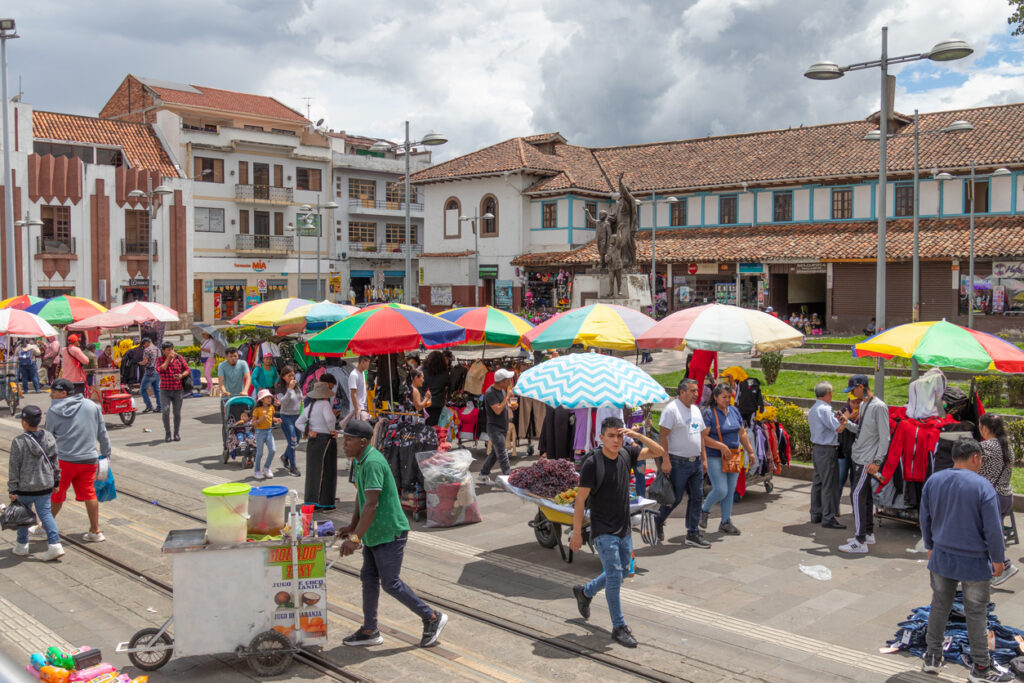
Ecuador’s economy is anchored by several strategic sectors:
For international brands, these sectors offer both entry points and partnership opportunities across B2B and B2C markets.
Sherlock Communications provides integrated communications strategies designed specifically for international organisations entering or expanding in Ecuador. Our approach combines local cultural insight with global best practice in strategy, creativity and measurement.
Public Relations & Corporate Communications
Media relations, stakeholder engagement, spokesperson training and reputation management that build visibility and trust.
Paid & Performance Marketing
Data-driven digital advertising with rigorous optimisation, segmentation and ROI tracking.
Influencer & Creator Marketing
Authentic partnerships with local voices who reflect Ecuadorian culture and community values.
Digital Strategy & Content
Mobile-first storytelling, social media management, SEO, creative assets and performance content.
Monitoring & Risk Intelligence
Real-time analysis of sentiment, policy, media narratives and potential reputation risks.
Because we operate on the ground, we understand the context behind every headline, every trend and every shift in public mood. Our 360° model unites storytelling, digital performance and reputation strategy to deliver communication that is culturally resonant and commercially effective.
Winning Strategies
Successful communication in Ecuador requires an approach that reflects both the country’s regional diversity and its fast-growing digital landscape. The most effective strategies combine:
By combining these elements, brands can build visibility, trust and meaningful engagement across Ecuador’s diverse audiences.