
[vc_row][vc_column][vc_column_text]After a decade spent more as an observer than a protagonist, Mexico is set to return to the centre of the international climate stage with the presentation of its National Pavilion at the 2025 Conference of the Parties (COP30), which will take place from 10 to 21 November in Belém, in the Brazilian Amazon. This marks a unique opportunity to demonstrate leadership and influence the narrative surrounding the country’s role in the global climate agenda.
COP30 comes at a critical juncture. The Paris Agreement calls for countries to update and enhance their climate commitments, and this will be the platform where the ambition behind those goals will be evaluated. More than just a meeting, it will provide a stage to showcase progress in climate policies and position the country as a trusted partner for alliances with both governments and businesses.
A gathering of great symbolism
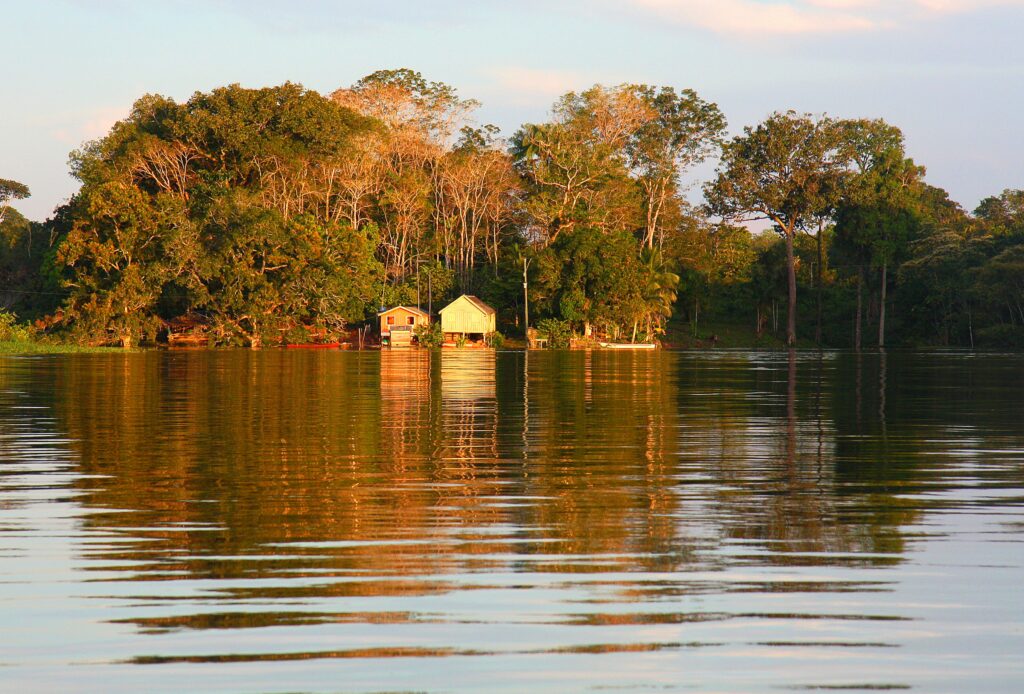
The fact that the conference will be held in the Amazon is no coincidence. The location underscores the urgency of protecting the planet’s most vulnerable ecosystems. In one of the Earth’s lungs, world leaders will discuss climate finance, environmental justice, energy transition, biodiversity, and other critical issues for the future of humanity.
Within this framework, key initiatives will be presented, such as the Baku-Belém roadmap, which aims to mobilize $1.3 trillion annually for climate action by 2035, and the Tropical Forest Forever (TFFF) fund, designed to protect tropical forests through an innovative $125 billion financing mechanism for priority climate projects.
Mexico, for its part, will have the opportunity to align its efforts with global commitments and attract investment to accelerate green projects domestically. Its participation will enable the country to harmonise its policies with international initiatives, paving the way for new resources to support renewable energy projects, mangrove restoration, and other vital actions.
Opportunity to reclaim leadership
Mexico’s presence in Belém will be crucial not only for meeting its commitments but also for shaping the international dialogue. COP30 will set the direction for the next decade of climate action, and Mexico faces both the challenge and the opportunity to prove that a vulnerable country can also be a leader in the transition to a more sustainable future.
The conference will serve as the platform where the feasibility of limiting global warming to 1.5°C is assessed, in a context characterised by significant delays in meeting targets. Evidence of this lies in the fact that fewer than 30 countries have submitted new Nationally Determined Contributions (NDCs), including major emitters such as the United States, the European Union, and China.
Mexico, which has unveiled a national strategy with goals of reducing emissions by 35% by 2030, and up to 40% with international financing, arrives in a position that highlights its regional leadership despite its climate vulnerability. With clearly defined targets, the country holds an advanced position and greater credibility to assume a leading role at a pivotal moment.
The evolution of Mexico’s strategy
The Pavilion will serve as a showcase for more than a decade of progress. Since 2012, Mexico has consolidated a pioneering legal framework in Latin America, with the General Climate Change Law, the National Climate Change System (SINACC), and later, the 2015 Energy Transition Law, which laid the foundation for energy diversification.
On the financial front, the Special Climate Change Program (PECC) and the Climate Change Fund have been operational since 2009 and 2012, respectively, mobilising both national and international resources for mitigation and adaptation projects. Mexico was also a pioneer in issuing green bonds in the region and remains one of its largest issuers.
Giving voice to climate leadership
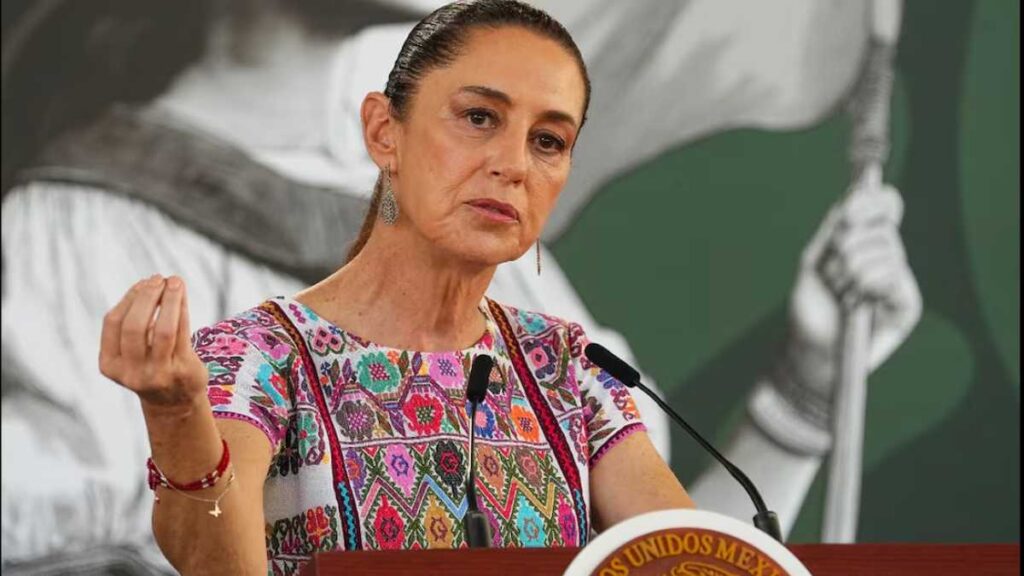
During the inauguration of the First Latin America and Caribbean Ministerial Meeting ahead of COP30, Mexico’s President, Claudia Sheinbaum, emphasized that climate change is the most urgent challenge of our generation and that countries must arrive in Belém with a common stance that reflects ambition and commitment to secure a future for millions of people.
In a context where climate action requires solid policies backed by clear narratives, strategic communication becomes an essential element. Leadership also means delivering consistent messages that drive reflection among governments, businesses, and civil society—where projecting the image of a serious, committed actor can, in itself, inspire change.
The support of experts such as Sherlock Communications plays a key role. With its experience in strategic communication and positioning, organizations and governments can articulate their vision with impact, connecting their actions with global audiences and showcasing how their projects contribute. This is not about visibility: it is about building trust at a decisive moment.[/vc_column_text][vc_btn title=”Check out our CSR front” style=”custom” custom_background=”#37B4AC” custom_text=”#FFFFFF” size=”lg” css_animation=”fadeInDown” css=”” link=”url:https%3A%2F%2Fwww.sherlockcomms.com%2Fcorporate-social-responsibility%2F|target:_blank”][/vc_column][/vc_row]