CONNECTING INTERNATIONAL BRANDS
WITH Guatemalan AUDIENCES

At Sherlock Communications, we help international organisations enter, grow, and thrive in Guatemala. From our local presence and regional network, we combine insight, digital creativity and media relationships to help brands connect authentically with Guatemalan audiences.

Communications in Guatemala

Guatemala offers a compelling opportunity for international organisations. As the largest economy in Central America, the country combines steady growth with a strategic position linking North and Central America. Its proximity to the United States and Mexico, alongside trade frameworks such as DR-CAFTA, strengthens its role in regional trade and supply chains. A large services sector, a strong export base and sustained domestic demand continue to support Guatemala’s economic relevance.


Cultural, Political, Social and Technological Landscape

Public debate in Guatemala is lively and often polarised. While traditional media still plays an important role in shaping national conversations, people increasingly rely on social networks and messaging apps to inform their opinions. Platforms like YouTube, Facebook, WhatsApp and Instagram dominate daily consumption, while TikTok is rapidly gaining ground among younger audiences, who respond best to humour, authenticity and short, engaging stories.

At the same time, the contrast between urban and rural realities strongly shapes how messages are received. Services drive the urban economy, but agriculture remains central to exports and livelihoods in rural areas, meaning communication that works in major cities may fall flat elsewhere without adaptation. For brands, success lies in a hybrid approach that combines strong local credibility and community connection with agile, well-targeted digital storytelling that reflects Guatemala’s social diversity.

What the numbers tell us

According to Mexico’s Ministry of Economy, FDI reached a recordUS$34.27 billion in the first half of 2025, up 10.2% year-on-year, with new investments growing 3.4 times compared to 2024. The UNCTAD 2024 ranking placed Mexico 11th globally for foreign investment inflows, underscoring its strategic role as an entry point for businesses into Latin America.

The USMCA agreement has also delivered significant results: trade among Mexico, the US and Canada has increased sixfold, generating millions of jobs across the three countries. For international organisations, this integration, alongside Mexico’s strong manufacturing and logistics sectors, makes the country not just attractive, but often essential to a regional strategy. But success here requires more than optimism. Regulatory complexity, inequality and regional differences mean that brands need genuinely local insight and on the ground support to navigate the market effectively.

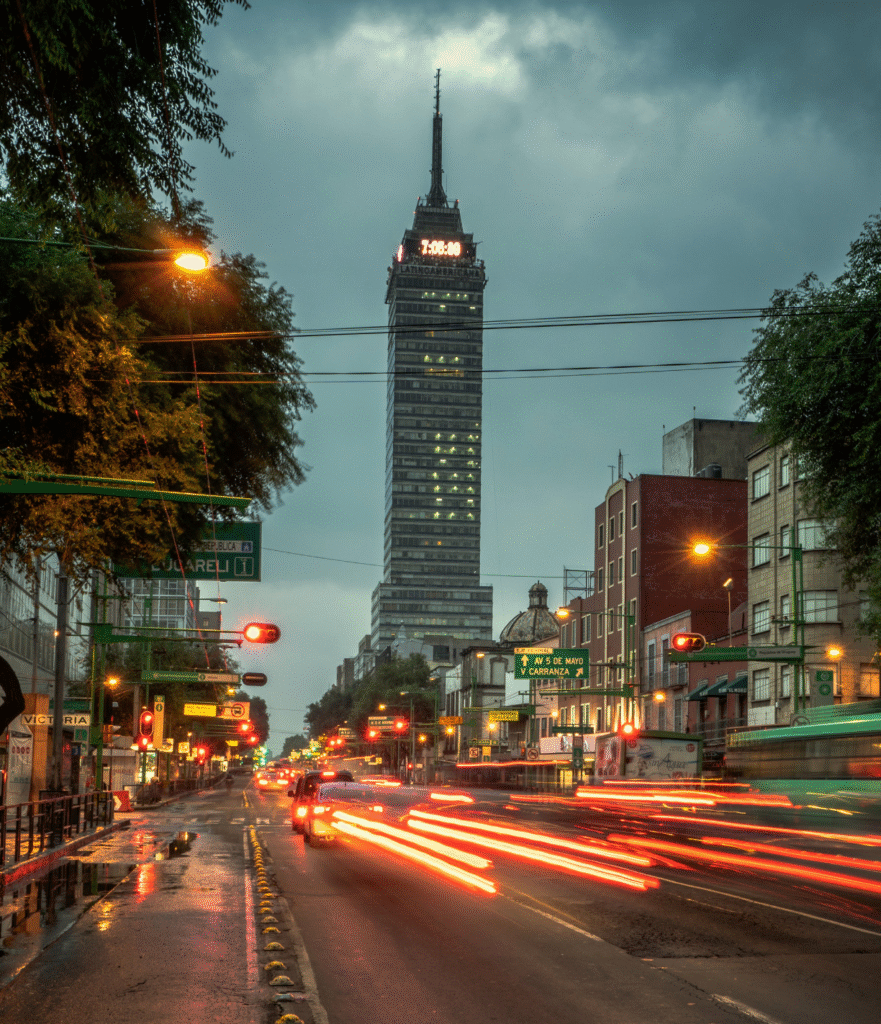
guatemala city landscape

The capital - Guatemala City

Guatemala City, home to more than three million people, is the political, economic and cultural centre of the country. As the largest metropolitan area in Central America, it concentrates nearly half of national investment and over half of Guatemala’s industrial activity, serving as the main hub for business, finance, trade and transport, and connecting the country to international markets.

The capital also plays a central role in shaping ideas and culture. With institutions such as the University of San Carlos, museums, galleries and creative industries, it is where national debates, trends and narratives emerge. For international brands, Guatemala City offers a strategic entry point, combining economic influence, a growing middle class and a dynamic digital ecosystem that reflects the country’s wider social and cultural landscape.

Who is the Mexican consumer

Mexico’s consumers are increasingly shaped by a mix of technology, value-consciousness and local pride.

An audience passionate about innovation

A 2025 Ernst & Young study shows that 75% of Mexicans expect brands to invest in innovation, while nearly half (47%) already see AI as more effective than human support. For international companies, this underlines the need for campaigns that combine creativity with technological relevance.

Digital adoption is central to this picture. According to Statista, 88% of Mexican adults own a smartphone, and 73% of online purchases are made via mobile devices. More than half (52%) of the population made at least one online purchase in the past year.
With 71% of consumers reporting they have bought a product influenced by social media ads (particularly on Facebook, Instagram and TikTok) mobile-first, social-first strategies are essential to success.

At the same time, consumer confidence is strong, with INEGI reporting a 46.7-point increase in 2025 in its Consumer Confidence Index. For international organisations, this presents a unique opportunity: with trust levels rising, brands that can demonstrate cultural relevance and deliver genuine value will be best positioned to grow.

The Media Landscape

Guatemala’s media environment is dynamic but concentrated, blending long-established outlets with an increasingly influential digital ecosystem.

Print and digital media

Traditional dailies such as Prensa Libre, Nuestro Diario (the country’s largest-circulation popular paper), and Diario de Centro América continue to shape national debate. However, the closure of elPeriódico in 2023 marked a turning point, accelerating the shift to online journalism. Today, digital-native platforms such as La Hora, Soy502, Perspectiva, and the Periódico Digital Centroamericano y del Caribe play a leading role in investigative reporting and public commentary, offering more independent voices than before.

Family remains key

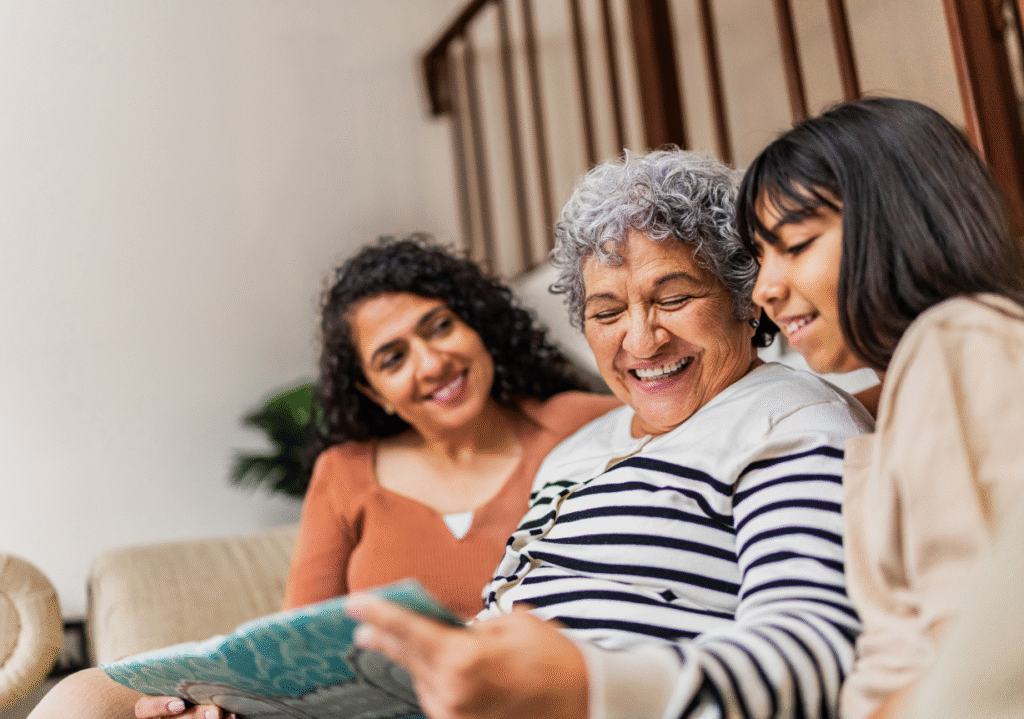
According to INEGI, 96.5% of Mexicans live in family households, with an average of four people per home. In many traditional families, women still play the leading role in purchasing decisions, while younger households tend to share responsibilities more equally. Across both, family gatherings and social events remain important consumption moments.

Television

Free-to-air TV remains highly concentrated, dominated by the Albavisión conglomerate (Channels 3, 7, 11, and 13). Independent broadcasters like Canal Antigua have earned credibility for their political coverage and critical editorial stance, while regional channels such as Nuevo Mundo TV add entertainment and local news. State media outlets (Canal 9, Canal 21, and Diario de Centro América TV) maintain a presence in the national conversation, though their audiences are more limited.

Gastronomy: an enduring legacy

Gastronomy is important in both cultural and economic terms. In 2010, UNESCO recognised Mexican cuisine as Intangible Cultural Heritage of Humanity, a designation that continues to shape national pride and identity.
Gastronomy also drives economic activity: Mexico’s Ministry of Tourism estimates that food generates 245.46 billion pesos annually, representing 30% of tourism consumption.

A celebratory spirit

Festivities are a major trigger for spending. National holidays and celebrations such as Independence Day, Day of the Dead and Christmas posadas regularly spark peaks in household consumption.
Some studies suggest food and beverage spending can rise by as much as 40–50% during Independence Day celebrations, while research into middle-income urban households indicates that annual spending on celebrations can represent a significant share of household budgets.
For international brands, these numbers reinforce a key message: campaigns that embrace cultural identity, traditions and everyday family life are far more likely to resonate with Mexican consumers than those that simply replicate global playbooks.

The importance of being local

In a country where institutional trust remains low, credibility depends on proximity, and not authority. Working with a local Guatemela agency is vital to ensure campaigns are grounded in reality and relationships. Local expertise allows brands to:

  • Interpret cultural nuances and linguistic diversity
  • Manage media concentration and political sensitivities with tact
  • Build partnerships with regional media and community leaders beyond Guatemala City
  • Anticipate and mitigate reputational risks in a polarised environment.
  • Shape narratives that feel genuinely Guatemalan,  not imported

At Sherlock Communications, our Guatemala team brings this local understanding to every project. We combine on-the-ground insight with regional expertise to help international brands communicate credibly, connect meaningfully, and build trust across the country’s diverse audiences.

Facebook is the go-to platform

When it comes to social platforms, Facebook dominates, with one in three respondents naming it the most trustworthy news source. Twitter (28%) and YouTube (20%) also scored highly, while WhatsApp (8%), LinkedIn (5%) and Instagram (just 4%) ranked lower.
For international organisations, the implication is clear: media strategies must reflect Mexico’s unique trust patterns. While Instagram can drive success in markets such as Brazil, in Mexico Facebook, Twitter and YouTube may offer stronger opportunities for PR and digital campaigns.

Key markets and sectors

Guatemala’s economy is driven by a diverse mix of industries. Services (particularly commerce, finance, business process outsourcing (BPO)) and tourism generate the largest share of national GDP. Light manufacturing and apparel dominate exports, while agribusiness remains strategic, led by coffee, sugar, bananas and cardamom.


In recent years, logistics and technology have gained increasing importance, reflecting Guatemala’s evolution into a regional hub for trade, supply chains and nearshoring operations. With strong geographic connectivity and competitive labour costs, the country offers significant opportunities for international companies seeking to establish or expand operations in Central America.

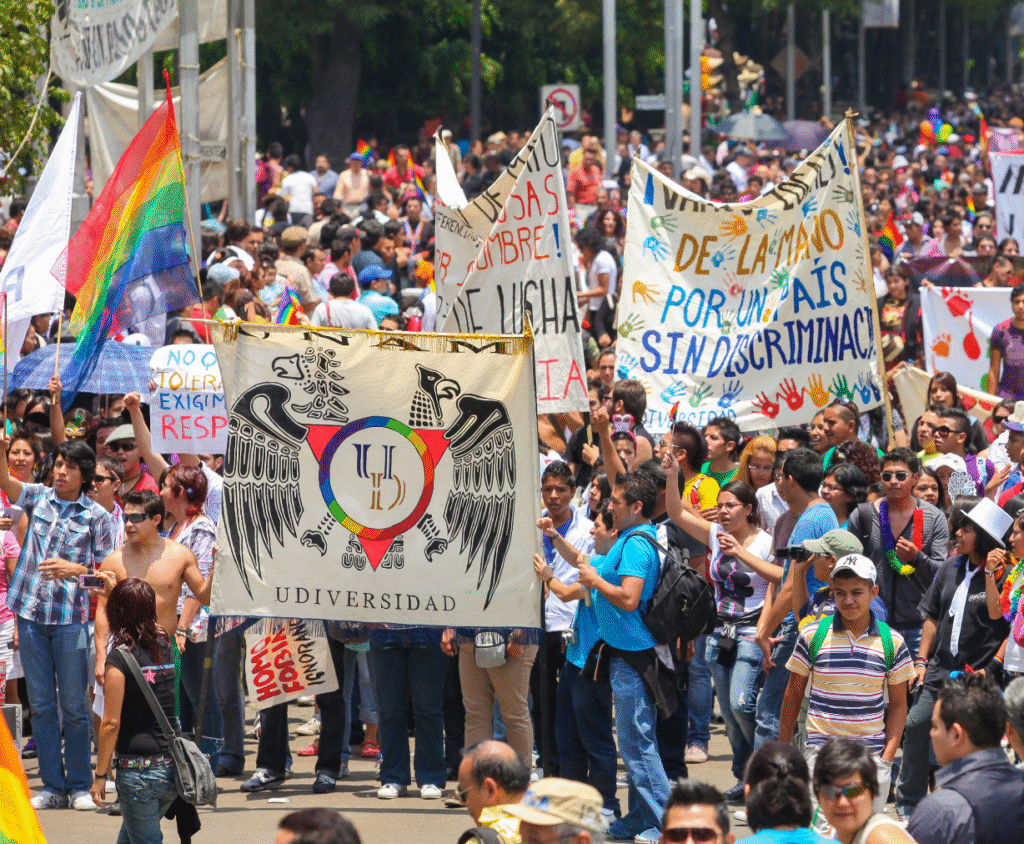
Is LGBTQIAP+ community being represented by the media?

Like much of Latin America, Mexico’s media still has blind spots in representing diversity, from the LGBTQIAP+ community to women, people with disabilities and indigenous peoples.
For brands entering the market, this lack of representation creates both a challenge and an opportunity: campaigns that engage authentically with diverse communities stand out and resonate more deeply.

How we can help you

To succeed in this environment, brands need more than visibility, they need integration. Effective communications in Guatemala is no longer just about generating press coverage alone; it’s about how people discover, share, and act on information across digital, social, and traditional platforms.

At Sherlock Communications, we help organisations adopt a 360° communications strategy that aligns PR, digital and data insight to create lasting impact.

Our integrated approach includes:

  • Public relations and public affairs: media relations, spokesperson training, and crisis management.
  • Paid and performance marketing: optimised digital campaigns with A/B testing and ROI tracking.
  • Influencer marketing: partnerships with trusted local creators and authentic audiences.
  • Monitoring and risk management: proactive strategies to navigate Guatemala’s concentrated and politically sensitive media environment.

This unified approach allows brands not only to build awareness, but to shape perception, drive engagement and earn trust.