
Costa Rica is one of Latin America’s most stable and forward-thinking nations — a country where innovation, sustainability, and wellbeing define everyday life. From our base in San José, Sherlock Communications helps international brands connect with Costa Rican audiences through integrated PR, digital, and creative strategies. Our team combines deep local knowledge with international standards of communication, ensuring every campaign resonates across borders while staying true to Costa Rica’s unique culture and values.
Costa Rica, home to just over five million people and spanning 51,100 km², stands out as one of Latin America’s most peaceful and progressive nations. Since abolishing its army in 1948, it has built a reputation for stability, sustainability and social development; qualities that also fundamentally shape how its people communicate and engage with brands.
With over 98% literacy, universal healthcare and education, and an 81-year life expectancy, Costa Ricans enjoy one of the highest standards of living in the Americas. The Nicoya region, recognised globally as a Blue Zone, reflects the country’s deep connection to wellbeing, balance, and community, values that strongly influence local attitudes toward consumption and trust.
Costa Rica also boasts 6.5% of the world’s biodiversity and runs almost entirely on renewable energy. Environmental responsibility isn’t just policy here; it’s a shared mindset and responsibility that extends into consumer expectations. For brands, this means authenticity and sustainability must be woven into every message.
Economically, Costa Rica’s skilled workforce of more than 2.3 million professionals and its reliable infrastructure, with major ports at Moín and Caldera and international airports in San José and Liberia, make it a natural hub for international business. In 2024, foreign direct investment reached US$4.32 billion, underscoring the country’s role as a gateway to Central America.
For international brands, this combination of education, stability, and sustainability offers a rare advantage: a highly engaged, discerning audience that values transparency and purpose. To connect effectively in Costa Rica, campaigns must balance global sophistication with local authenticity; speaking to both the mind and the conscience of the Costa Rican public.
San José, home to around 1.7 million people (INEC), is Costa Rica’s political, cultural and economic centre, a city where tradition and innovation meet. As the nation’s capital, it hosts key government institutions and serves as a regional base for many international companies and NGOs, making it a natural hub for communications and public affairs.
Blending modernity with heritage, San José’s museums, theatres, and historic buildings stand alongside contemporary hotels, co-working spaces, and tech start-ups. Twice named Ibero-American Capital of Culture (2006 and 2023), the city embodies Costa Rica’s creative spirit and its commitment to cultural exchange.
Set in a wide valley surrounded by volcanic peaks, San José benefits from a vibrant university ecosystem, with institutions such as the University of Costa Rica (UCR), the National University (UNA), and the Costa Rica Institute of Technology (ITCR) cultivating a skilled and forward-thinking workforce.
For brands, San José offers more than access to talent and infrastructure; it provides proximity to opinion leaders, policymakers and a media landscape that shapes national debate. It’s here that ideas spread, relationships are built, and stories take root.


According to Mexico’s Ministry of Economy, FDI reached a recordUS$34.27 billion in the first half of 2025, up 10.2% year-on-year, with new investments growing 3.4 times compared to 2024. The UNCTAD 2024 ranking placed Mexico 11th globally for foreign investment inflows, underscoring its strategic role as an entry point for businesses into Latin America.
The USMCA agreement has also delivered significant results: trade among Mexico, the US and Canada has increased sixfold, generating millions of jobs across the three countries. For international organisations, this integration, alongside Mexico’s strong manufacturing and logistics sectors, makes the country not just attractive, but often essential to a regional strategy. But success here requires more than optimism. Regulatory complexity, inequality and regional differences mean that brands need genuinely local insight and on the ground support to navigate the market effectively.

Costa Rica stands out in Latin America for its political stability, strong institutions and long-standing commitment to social progress; all of which create a reliable environment for business. This stability, combined with legal security and tax incentives in free-trade zones, helped attract record levels of foreign direct investment (US$4.32 billion), positioning Costa Rica as a key gateway for companies expanding across Central America.
According to the World Bank, Costa Rica’s GDP reached US$95.35 billion in 2024, with the Central Bank projecting growth of +3.8% for 2025 and +3.5% for 2026. This steady trajectory underscores the country’s resilience and investor confidence, even amid global economic fluctuations.

Mexico’s consumers are increasingly shaped by a mix of technology, value-consciousness and local pride.
A 2025 Ernst & Young study shows that 75% of Mexicans expect brands to invest in innovation, while nearly half (47%) already see AI as more effective than human support. For international companies, this underlines the need for campaigns that combine creativity with technological relevance.
Digital adoption is central to this picture. According to Statista, 88% of Mexican adults own a smartphone, and 73% of online purchases are made via mobile devices. More than half (52%) of the population made at least one online purchase in the past year.
With 71% of consumers reporting they have bought a product influenced by social media ads (particularly on Facebook, Instagram and TikTok) mobile-first, social-first strategies are essential to success.
At the same time, consumer confidence is strong, with INEGI reporting a 46.7-point increase in 2025 in its Consumer Confidence Index. For international organisations, this presents a unique opportunity: with trust levels rising, brands that can demonstrate cultural relevance and deliver genuine value will be best positioned to grow.
Regulatory streamlining, infrastructure development and greater commercial security have steadily improved the business environment. The Global Business Complexity Index (2025) ranks Costa Rica 58th among 79 jurisdictions, a gradual improvement from previous years, reflecting a more accessible and transparent business climate.
The country achieved these improvements through its direct work on regulatory streamlining and infrastructure development and commercial security enhancement which simplifies operations for foreign businesses and promotes economic diversification.
For global brands, this combination of stability and agility translates into fertile ground for growth. Campaigns can focus less on managing volatility and more on building long-term trust, innovation and sustainable and sustainability narratives: themes that strongly resonate with Costa Rican audiences and regulators alike.
PROCOMER reports that Costa Rica achieved its highest export value ever at US$11.012 billion during the first half of 2025 when exports increased by 14%.
The medical devices and precision instruments sector generates 47% of total exports while showing a 26% increase in export value followed by the agricultural sector which accounts for 17% of exports through pineapple (6%) and banana (4%) sales. The country exports coffee together with beverage syrups and concentrates and electric cables and fruit juices as its main products.
Costa Rica’s export success is also a story of connectivity. With strong trade agreements spanning the United States, European Union, Mexico, Canada, China and Central America, the country provides companies with a reliable bridge to key global markets.
For international organisations, this means entering a market that already speaks the language of global business: efficient, outward-looking and quality-driven.
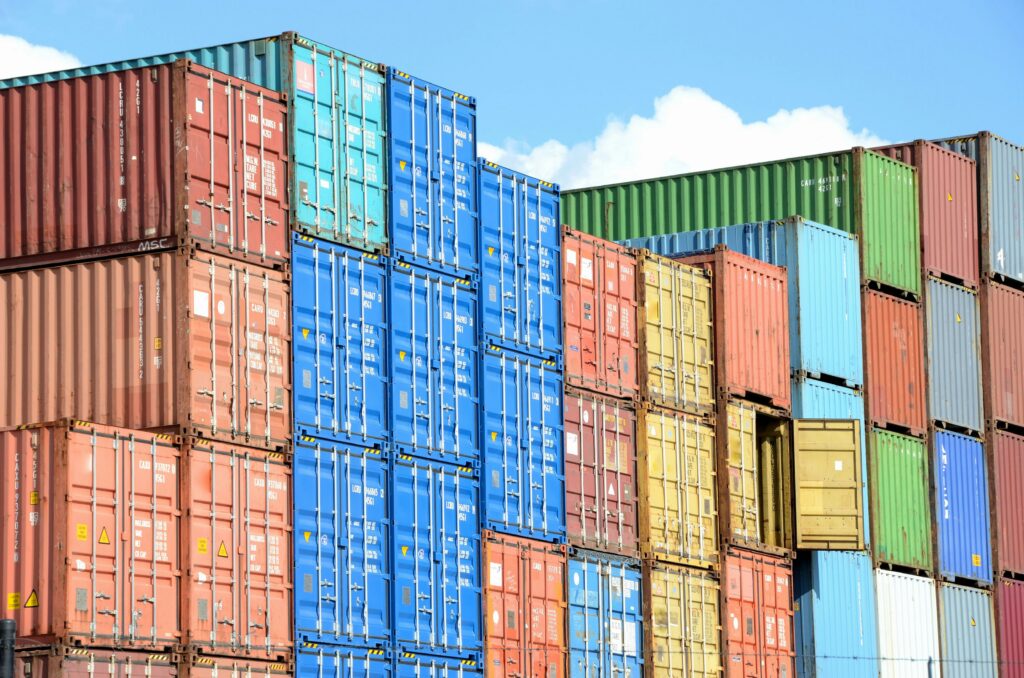

According to INEGI, 96.5% of Mexicans live in family households, with an average of four people per home. In many traditional families, women still play the leading role in purchasing decisions, while younger households tend to share responsibilities more equally. Across both, family gatherings and social events remain important consumption moments.
Tourism functions as a fundamental economic pillar for Costa Rica. The tourism industry reached its highest point in 2024 when 2.9 million international visitors brought in US$5.434 billion to the country. The Costa Rican Tourism Institute (ICT) reported that tourism created 183,000 jobs which established the sector as the leading foreign exchange earner and positioned Costa Rica as the most popular destination in Central America.
But beyond numbers, tourism is also a reflection of Costa Rican identity. Visitors are drawn not only by beaches and rainforests, but by a culture that values well-being, environmental stewardship, and community connection. For international brands, this mindset defines how people here respond to narratives and messages: campaigns rooted in authenticity, respect for nature and local pride consistently resonate.
Gastronomy is important in both cultural and economic terms. In 2010, UNESCO recognised Mexican cuisine as Intangible Cultural Heritage of Humanity, a designation that continues to shape national pride and identity.
Gastronomy also drives economic activity: Mexico’s Ministry of Tourism estimates that food generates 245.46 billion pesos annually, representing 30% of tourism consumption.
Costa Rica stands as a top performer in Latin American energy transition through its 99% renewable energy system and detailed decarbonization strategy. The nation’s sustainable approach to business development together with its stable political environment and social order creates an excellent setting for companies focused on green and sustainable operations.
Costa Rica has established itself as a popular destination for wealthy individuals who want to move there. The Henley Private Wealth Migration Report 2025 predicts 350 millionaires will choose Costa Rica as their new home in 2025 which establishes the country as a major global wealth center for individuals seeking financial security and tax benefits and legal protection.


Festivities are a major trigger for spending. National holidays and celebrations such as Independence Day, Day of the Dead and Christmas posadas regularly spark peaks in household consumption.
Some studies suggest food and beverage spending can rise by as much as 40–50% during Independence Day celebrations, while research into middle-income urban households indicates that annual spending on celebrations can represent a significant share of household budgets.
For international brands, these numbers reinforce a key message: campaigns that embrace cultural identity, traditions and everyday family life are far more likely to resonate with Mexican consumers than those that simply replicate global playbooks.
Costa Rica stands out in Latin America as a model of stability, sustainability and talent. Its long-standing political and legal security, combined with a highly educated workforce and a national commitment to renewable energy, make it one of the region’s most dependable environments for business growth.
At the same time, its dynamic export and tourism sectors keep Costa Rica outward-looking and globally connected. For international brands, this combination offers a rare advantage: a market that values innovation, responsibility and authenticity in equal measure, and a society where sustainable progress is part of everyday life.
Costa Rica’s media landscape reflects the country’s balance of tradition and innovation. While outlets continue to face challenges such as limited funding and political pressure, the sector has adapted quickly to digital transformation. Newsrooms are diversifying their platforms, distributing content more efficiently, and finding new ways to connect with audiences, especially online.
Coverage typically focuses on issues that shape daily life, such as the economy, healthcare, education and public safety. Major conglomerates play an influential role in setting the national agenda, operating across television, radio, and print.
Key facts about Costa Rica’s media landscape:
With 92.6% internet penetration, reaching 4.76 million users and 3.83 million active social media profiles (74.5% of the population), Costa Rica offers one of the most connected markets in Latin America. This high level of digital engagement provides fertile ground for creative content strategies, influencer partnerships and multi-platform storytelling.
The country’s strong education system and advanced ICT infrastructure have also positioned it as a regional innovation hub, encouraging adoption of new technologies and digital services. For international brands, this means audiences that are informed, tech-savvy, and highly responsive to interactive, purpose-driven content.
In such a concentrated and fast-moving media market, success depends on credibility and cultural fluency. Partnering with a Costa Rica-based PR and digital communications agency ensures that messages are not only seen, but trusted.
At Sherlock Communications, our local specialists understand how to navigate the relationships, tone and timing that define Costa Rican media. We combine trusted press connections with data-driven digital expertise to help brands build visibility, reputation, and long-term influence in one of Latin America’s most progressive markets.
When it comes to social platforms, Facebook dominates, with one in three respondents naming it the most trustworthy news source. Twitter (28%) and YouTube (20%) also scored highly, while WhatsApp (8%), LinkedIn (5%) and Instagram (just 4%) ranked lower.
For international organisations, the implication is clear: media strategies must reflect Mexico’s unique trust patterns. While Instagram can drive success in markets such as Brazil, in Mexico Facebook, Twitter and YouTube may offer stronger opportunities for PR and digital campaigns.
Success in Costa Rica requires more than creative thinking, it demands a deep understanding of the country’s political context, financial system and business culture. The ability to achieve measurable results comes from turning this local insight into strategy.
Local agencies understand the national pulse: they know the trends, regulations, and subtle cultural shifts shaping consumer and media behaviour. That knowledge allows them to translate strategy into tangible outcomes and ensure that every dollar of a marketing budget works harder.
At Sherlock Communications, we combine Costa Rican market knowledge with our wider Latin American network to design communications strategies that engage audiences authentically, strengthen reputation, and drive measurable impact across the region.

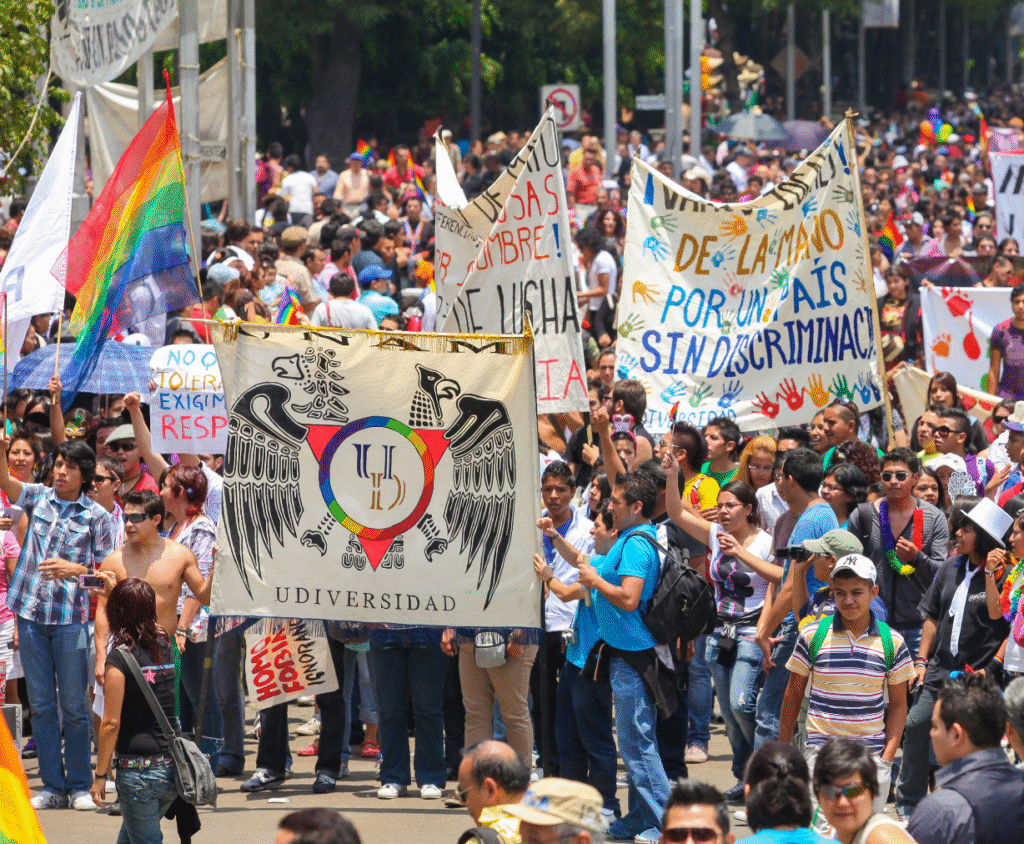
Like much of Latin America, Mexico’s media still has blind spots in representing diversity, from the LGBTQIAP+ community to women, people with disabilities and indigenous peoples.
For brands entering the market, this lack of representation creates both a challenge and an opportunity: campaigns that engage authentically with diverse communities stand out and resonate more deeply.
Expanding operations in Costa Rica requires more than a business plan, it demands knowledge of local customs and audience relationships and international market expansion. It means connecting with people in a way that feels local, credible and meaningful.
Our Costa Rica team helps international brands, service providers, and technology companies establish and grow their presence through integrated PR and digital marketing campaigns built on cultural understanding and measurable performance.
We bring together international expertise and deep local insight to deliver campaigns that resonate; whether through media relations, digital content, SEO, influencer partnerships or social media strategy. Our award-winning team ensures brands gain visibility, authority and long-term trust in one of Latin America’s fastest growing market