
Sherlock Communications helps international organisations enter, grow and thrive in El Salvador. From our regional hub, we combine local cultural insight, trusted media relationships and digital expertise with global standards of creativity and strategy. We work exclusively with international clients, serving as a bridge between global ambitions and El Salvador’s fast-evolving communications landscape. Our mission is to help brands build trust, relevance and measurable impact in one of Central America’s most digitally connected markets.
El Salvador is emerging as one of Central America’s most dynamic and reform-driven economies. With a GDP of roughly US $35 billion and a population of 6.5 million, it offers international brands a compact but rapidly evolving market where modernisation and digital ambition defi ne the national agenda.
The country’s service sector continues to expand, led by professional and technical services, construction and energy. Participation in DR-CAFTA and close economic ties with the United States, still its main trading partner, make El Salvador a natural bridge between North and Central America, while new investment in tourism, light manufacturing and logistics is diversifying its economy.
Reforms have simplifi ed the ease of doing business: free-zone permits that once took months now take days, and the dollarised economy removes exchange-rate risk, offering stability rare in the region. The government’s high-profi le experiment with Bitcoin and broader digital-fi nance legislation also refl ect a willingness to test bold ideas and attract international attention.
Since 2019, President Nayib Bukele’s administration has positioned El Salvador as a safer, more predictable place to invest, introducing policies that have sharply improved public security and investor confi dence. For communicators and brands, this changing narrative is crucial: international perception is shifting from caution to curiosity. While debates around institutional independence persist, the country’s renewed sense of optimism and innovation offers fertile ground for companies ready to engage authentically with Salvadoran audiences.
El Salvador is living through one of the most profound transformations in its recent history. Since 2019, President Nayib Bukele’s administration has made public security and digital modernisation central pillars of national policy. The results are visible: crime has fallen sharply and a new sense of confi dence has begun to reshape international perceptions of the country.
At the same time, the government’s centralised approach has generated debate at home and abroad, highlighting the delicate balance between decisive leadership and the preservation of democratic checks and balances. For international organisations and brands, understanding these dual narratives, optimism and scrutiny, is essential to navigating the country’s political context with credibility and care.
Socially, Salvadorans are defi ned by resilience and family ties. Remittances, which represent around a quarter of GDP, remain a lifeline for households and a vital source of domestic consumption. Yet persistent inequality and informality continue to challenge inclusive growth. Brands that communicate with empathy, transparency, and community relevance are best placed to build authentic relationships in this environment.
Culturally, El Salvador is one of the most digitally engaged nations in Central America. Platforms such as Facebook, WhatsApp, YouTube and TikTok shape everything from political debate to consumer choices. Salvadorans respond strongly to humour, visual storytelling, and campaigns that feel personal; making digital-fi rst, locally grounded strategies indispensable for anyone seeking to connect with audiences here.
Technology and innovation are now central to the national story. Through its National Digital Agenda and progressive legislation on digital assets, El Salvador has positioned itself as a testing ground for fi ntech and blockchain-driven solutions. The adoption of Bitcoin as legal tender in 2021 captured global attention, signalling an appetite for experimentation and a desire to redefi ne the country’s economic identity. Realising this ambition, however, depends on continued investment in infrastructure and education. These are areas where collaboration between government, business and civil society will be key.
For communicators, this convergence of progress and possibility offers fertile ground but success depends on recognising not only the pace of change but the people behind it: a society that values innovation, community, and optimism, and where authentic, culturally sensitive communication can make a lasting impact.

According to Mexico’s Ministry of Economy, FDI reached a recordUS$34.27 billion in the first half of 2025, up 10.2% year-on-year, with new investments growing 3.4 times compared to 2024. The UNCTAD 2024 ranking placed Mexico 11th globally for foreign investment inflows, underscoring its strategic role as an entry point for businesses into Latin America.
The USMCA agreement has also delivered significant results: trade among Mexico, the US and Canada has increased sixfold, generating millions of jobs across the three countries. For international organisations, this integration, alongside Mexico’s strong manufacturing and logistics sectors, makes the country not just attractive, but often essential to a regional strategy. But success here requires more than optimism. Regulatory complexity, inequality and regional differences mean that brands need genuinely local insight and on the ground support to navigate the market effectively.
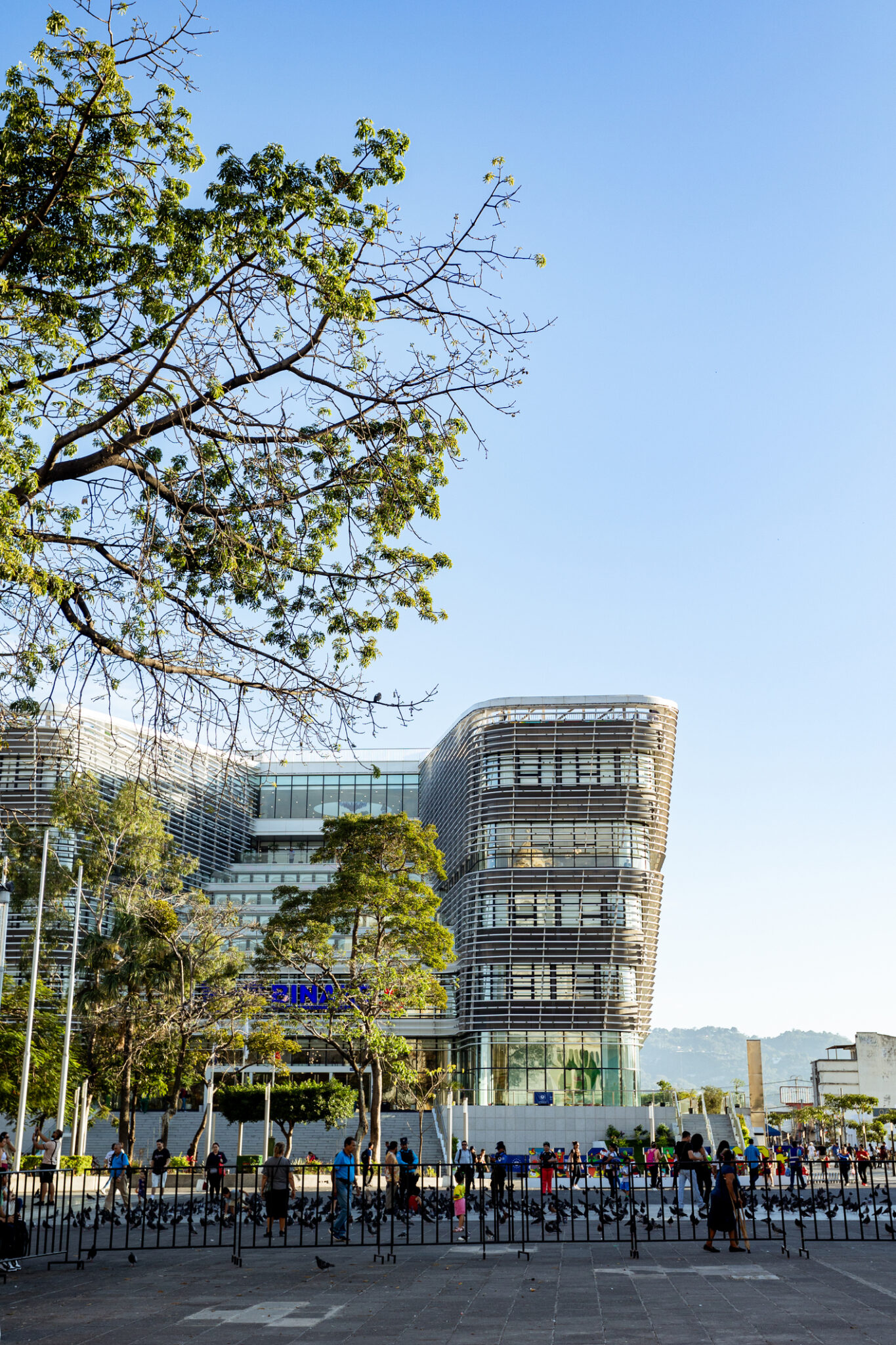
El Salvador’s economy continues to show resilience and cautious optimism. After expanding 2.6% in 2024, the country is expected to maintain steady growth over the coming years, supported by fiscal discipline, improved security and an expanding services sector. Although natural disasters and external pressures occasionally temper short-term results, the overall trajectory reflects a maturing market with stronger fundamentals.
Public finances are gradually consolidating; the fiscal deficit narrowed to 4.4% of GDP in 2024, with revenues up by more than 7% thanks in part to higher investor confidence and more predictable public policy. Inflation remains among the lowest in Latin America at under 1%, and unemployment hovers below 3%, highlighting a stable macroeconomic environment.
Remittances, representing about a quarter of GDP, continue to be a vital economic engine, sustaining domestic consumption and small business growth. Yet the country’s heavy reliance on the U.S. market and widening trade gap with China underline the importance of diversification.
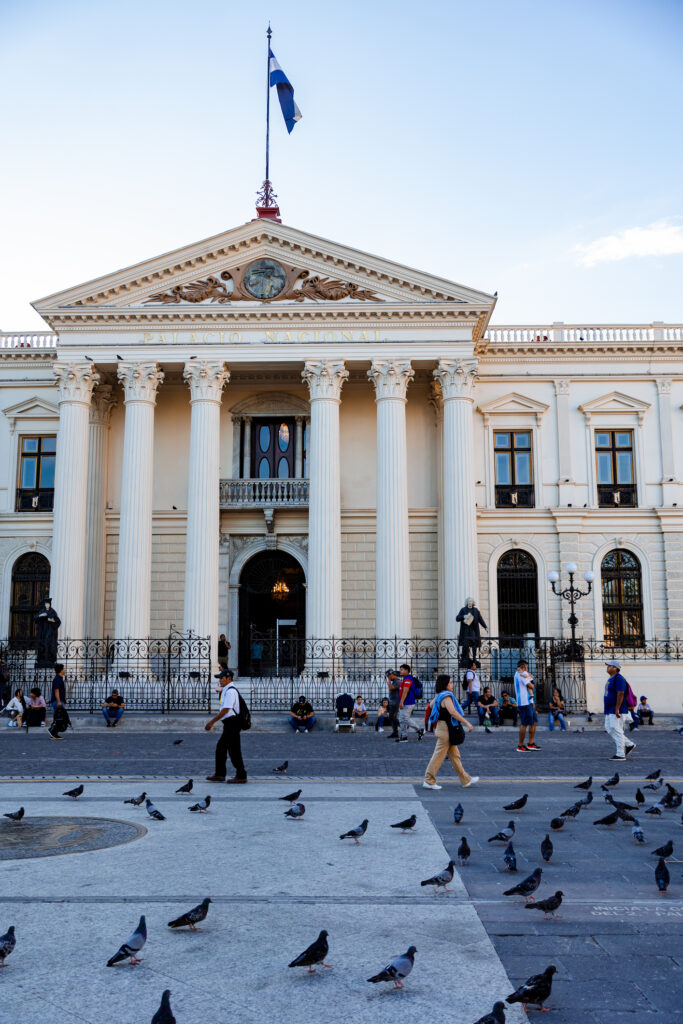
San Salvador is the political and creative heartbeat of El Salvador, a city where tradition and modernisation meet daily. With a metropolitan population of more than 1.7 million, it concentrates the country’s economic power, housing the central government, major banks, embassies, universities and the headquarters of many international organisations.
For international organisations, the city offers both visibility and momentum. It is where national debates take shape (whether in politics, media, or culture) and where emerging ideas and trends are first tested before spreading nationwide. Its energetic mix of entrepreneurs, academics, and creators fuels an ecosystem that is increasingly outward-looking and open to collaboration.
Like many Latin American capitals, San Salvador faces challenges linked to inequality, rapid urbanisation, and exposure to natural disasters. But it is also a place defi ned by resilience and reinvention. For communicators, this combination of creativity and complexity makes San Salvador an ideal setting for authentic storytelling.

Mexico’s consumers are increasingly shaped by a mix of technology, value-consciousness and local pride.
A 2025 Ernst & Young study shows that 75% of Mexicans expect brands to invest in innovation, while nearly half (47%) already see AI as more effective than human support. For international companies, this underlines the need for campaigns that combine creativity with technological relevance.
Digital adoption is central to this picture. According to Statista, 88% of Mexican adults own a smartphone, and 73% of online purchases are made via mobile devices. More than half (52%) of the population made at least one online purchase in the past year.
With 71% of consumers reporting they have bought a product influenced by social media ads (particularly on Facebook, Instagram and TikTok) mobile-first, social-first strategies are essential to success.
At the same time, consumer confidence is strong, with INEGI reporting a 46.7-point increase in 2025 in its Consumer Confidence Index. For international organisations, this presents a unique opportunity: with trust levels rising, brands that can demonstrate cultural relevance and deliver genuine value will be best positioned to grow.
El Salvador’s media environment blends long-established institutions with a rapidly growing digital ecosystem. Traditional outlets such as La Prensa Gráfi ca, El Diario de Hoy, and Diario El Mundo continue to shape public opinion, while independent platforms like El Faro, Revista Factum and GatoEncerrado have earned international recognition for their investigative journalism and critical perspectives.
Television remains the country’s most influential medium, led by networks such as TCS (Channels 2, 4, 6 and 35), Channel 12, and Channel 21. Radio also continues to reach mass audiences nationwide, with trusted stations like Radio YSKL, Radio Sonora and Radio 102nueve maintaining loyal followings and community influence.
At the same time, El Salvador has become one of Central America’s most digitally connected societies. By 2024, more than 80 percent of the population had internet access and nearly 75 percent were active on social media. Platforms such as Facebook, WhatsApp, YouTube and TikTok have transformed how people share news, form opinions and interact with brands.
For international organisations, this dual landscape, traditional yet highly digital, calls for strategies that speak fluently across both worlds.
Working with a local partner is essential for any organisation seeking to build genuine relationships and long-term credibility in El Salvador. At Sherlock Communications, our Salvadoran team helps international brands do far more than translate messages: we translate meaning, context and intent.
Local expertise allows us to interpret cultural nuances, navigate media concentration and political sensitivities, and connect with audiences beyond the capital through trusted regional voices. It also means anticipating potential reputation risks in a polarised environment and managing them with the insight that only comes from being part of the community itself.
In a country where institutional trust can be fragile, authenticity matters. Campaigns succeed when they feel rooted in real experience and speak to shared values.That’s why we focus on community-based engagement, building stories that resonate locally while reinforcing the credibility and consistency of our clients’ brands.
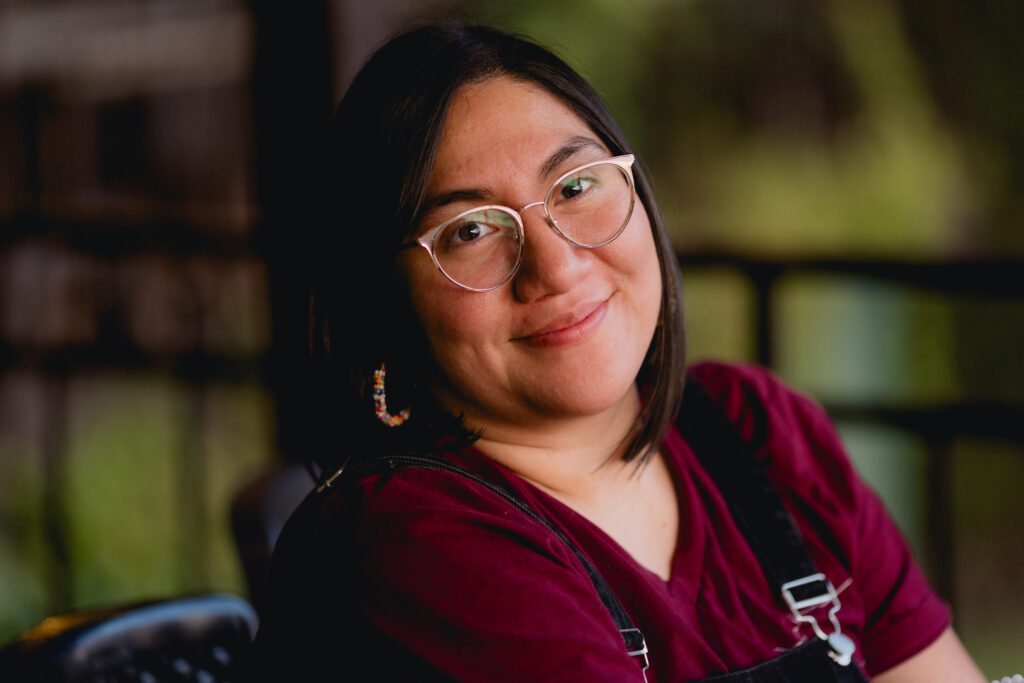

According to INEGI, 96.5% of Mexicans live in family households, with an average of four people per home. In many traditional families, women still play the leading role in purchasing decisions, while younger households tend to share responsibilities more equally. Across both, family gatherings and social events remain important consumption moments.
El Salvador’s economy is driven primarily by services, which account for around two-thirds of national output, led by tourism, commerce and retail. Light manufacturing and textiles make up roughly a quarter of GDP, while coffee and sugar continue to play an important role in the export mix.
Remittances remain one of the economy’s strongest pillars, sustaining household consumption and providing resilience during external shocks. However, this dependence also underlines the importance of diversifi cation and innovation across sectors such as technology, fi ntech and renewable energy, where new investment is already starting to take root.
For international organisations, these evolving dynamics open opportunities to connect with a population that is young, digitally engaged and eager for progress.
Gastronomy is important in both cultural and economic terms. In 2010, UNESCO recognised Mexican cuisine as Intangible Cultural Heritage of Humanity, a designation that continues to shape national pride and identity.
Gastronomy also drives economic activity: Mexico’s Ministry of Tourism estimates that food generates 245.46 billion pesos annually, representing 30% of tourism consumption.
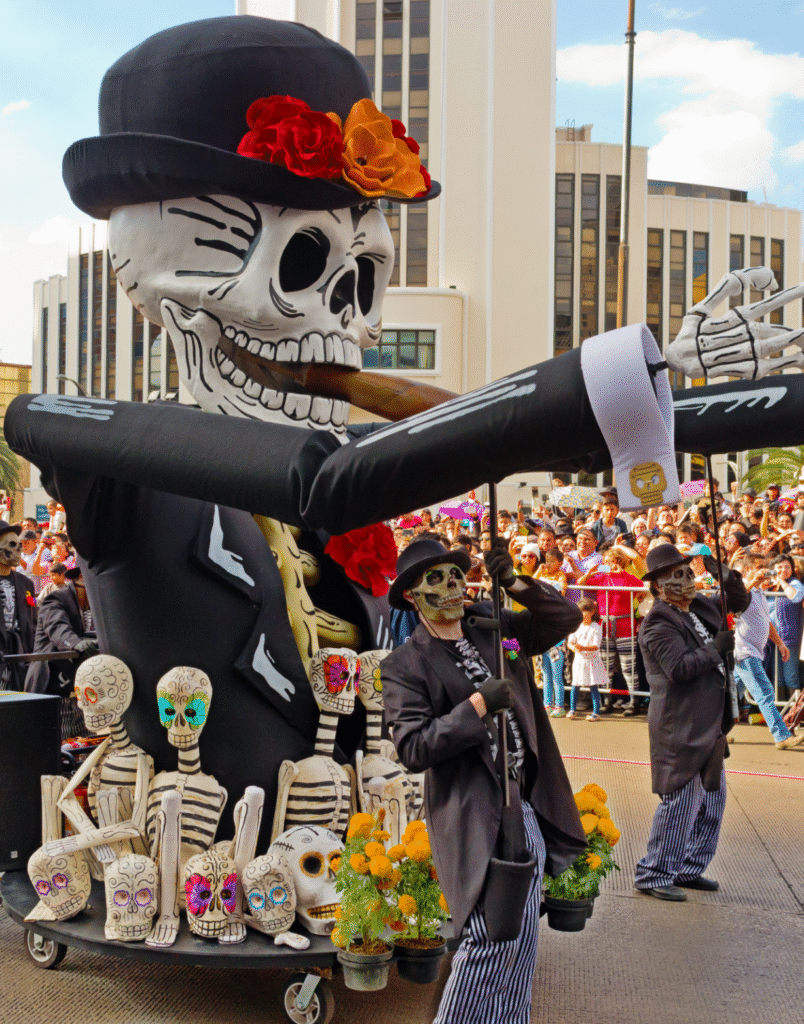
Festivities are a major trigger for spending. National holidays and celebrations such as Independence Day, Day of the Dead and Christmas posadas regularly spark peaks in household consumption.
Some studies suggest food and beverage spending can rise by as much as 40–50% during Independence Day celebrations, while research into middle-income urban households indicates that annual spending on celebrations can represent a significant share of household budgets.
For international brands, these numbers reinforce a key message: campaigns that embrace cultural identity, traditions and everyday family life are far more likely to resonate with Mexican consumers than those that simply replicate global playbooks.
When it comes to social platforms, Facebook dominates, with one in three respondents naming it the most trustworthy news source. Twitter (28%) and YouTube (20%) also scored highly, while WhatsApp (8%), LinkedIn (5%) and Instagram (just 4%) ranked lower.
For international organisations, the implication is clear: media strategies must reflect Mexico’s unique trust patterns. While Instagram can drive success in markets such as Brazil, in Mexico Facebook, Twitter and YouTube may offer stronger opportunities for PR and digital campaigns.
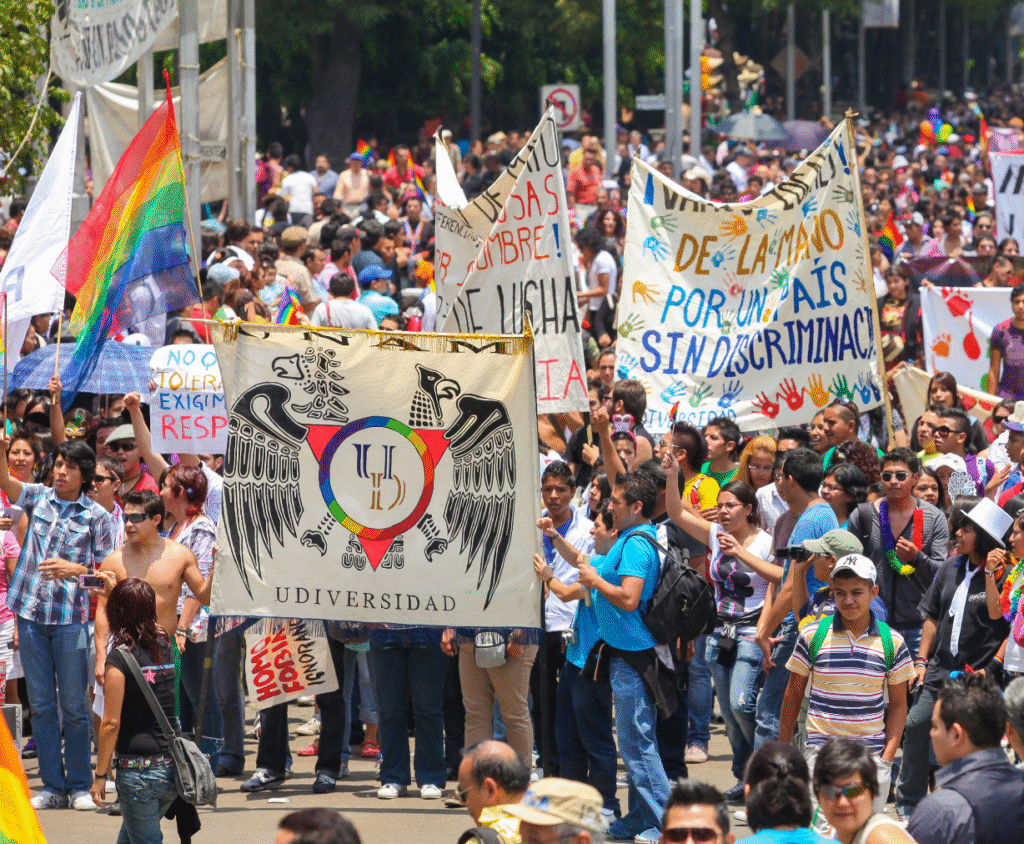
Like much of Latin America, Mexico’s media still has blind spots in representing diversity, from the LGBTQIAP+ community to women, people with disabilities and indigenous peoples.
For brands entering the market, this lack of representation creates both a challenge and an opportunity: campaigns that engage authentically with diverse communities stand out and resonate more deeply.
At Sherlock Communications, we go beyond traditional PR to deliver fully integrated communications strategies that connect global brands with Salvadoran audiences in meaningful and measurable ways. Our approach combines insight, creativity and technology to ensure every campaign speaks to the way people here consume, share, and trust information.
Because we live and work in the markets we represent, we understand the local context behind every headline and every click. Our 360° approach unites storytelling, strategy, and performance measurement, helping international clients achieve impact that is both culturally resonant and commercially effective.