

Banking is evolving, and the shift in paradigms is visible to all, from the SBS regulatory sandbox to the rise of fintechs and neobanks. Technology and modernization promise to transform the financial system into one that is more open and inclusive.
Peru’s financial system is undergoing its most profound transformation since the emergence of Municipal Savings Banks in the 1980s and the banking law reforms of the 1990s. This is not only about the rise of digital banking in Peru, but about a paradigm shift: banking has ceased to be a physical place and has become a layer of services integrated into citizens’ daily lives.
In this context, regulation, the arrival of major global players, and the evolution of digital assets are shaping a new map of this ecosystem and of economic power in the country.
The SBS Regulatory Sandbox and Its Impact on Digital Banking in Peru
In recent years, the SBS has promoted significant regulatory changes to foster financial innovation. One of the main tools is the regulatory sandbox, a controlled experimentation environment where companies, primarily fintechs, startups, and financial cooperatives, can test innovative products and services before implementing them at scale, with real users and without immediately having to comply with the full regulatory burden of a traditional banking license.
Under Resolution SBS No. 4142-2025, the regulator has shifted from being an observer to becoming an active promoter of innovation. The primary benefit is the reduction of the inclusion gap. Historically, Peru’s traditional financial system has excluded a high percentage of the adult population due to a lack of credit history or because they live in rural areas.
This mechanism offers two major advantages. The first is that it directly benefits consumers by expanding the range of available products and potentially improving pricing, accessibility, and user experience.
The second is that it facilitates the entry of new players and business models into the financial system, reducing barriers to entry and costs. Today, startups from Brazil, Mexico, and Europe can use the sandbox to test credit scoring algorithms based on artificial intelligence, analyzing payment behavior in utility services instead of relying solely on Infocorp, Peru’s private credit bureau.
The 2026 regulation has extended testing periods to up to 30 months, allowing Open Finance solutions to mature before mass launch. This ensures that innovation does not compromise the stability of digital banking in Peru or consumer protection.
The Arrival of Neobanks in Peru: The Case of Revolut
The sandbox, along with other regulatory reforms, has prepared the ground for the arrival of new global players in the digital banking market in Peru. An emblematic case is the arrival of Revolut.
The British neobank, which already operates in dozens of countries, formally applied for a banking license with the SBS, sending a clear message: the Peruvian market is the new financial hub of the region.
Revolut’s entry is not merely the arrival of a new app. It represents the landing of a low-cost, low-friction banking model. By offering multi-currency accounts, instant international transfers, and the ability to purchase stocks or metals from a single interface, Revolut is forcing traditional Peruvian banking to accelerate its modernization.
The Growth of Digital Wallets in Peru
It is impossible to discuss the future of digital banking in Peru without mentioning Yape. What began as an internal payment project within BCP has become the country’s largest financial social network, reaching 15 million users and, more recently, expanding internationally into Bolivia.
Yape has evolved from being a digital wallet into becoming a “SuperApp.” In 2026, users not only send money through Yape; they purchase concert tickets, request microloans in seconds, and pay utility bills. Its expansion into Bolivia demonstrates that the Peruvian interoperability model is exportable and efficient in markets with similar social realities.
 Interoperability and the Evolution of the Digital Ecosystem
On the other hand, wallets such as Tunki (Interbank) have evolved toward more specific niches, integrating with benefits ecosystems and loyalty programs that keep competition alive, preventing the monopoly of a single platform and driving continuous improvements in customer service.
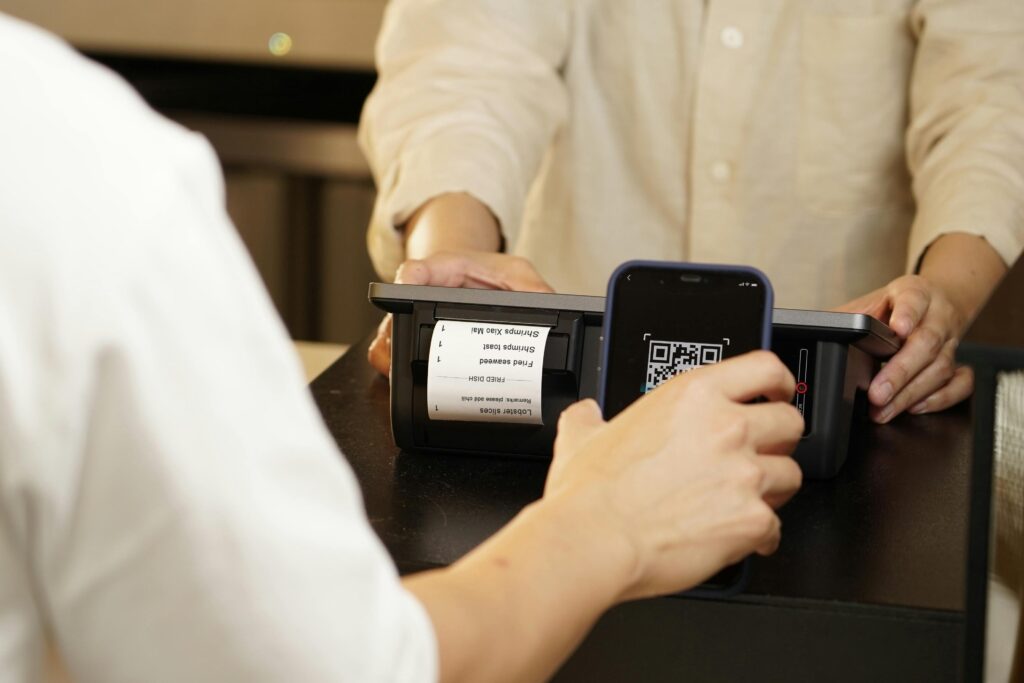
Interoperability between digital wallets, driven by regulation and technological standards, has allowed users of different platforms to transfer money between each other without barriers, a key step toward consolidating a cohesive and competitive digital ecosystem.
Likewise, the Ministry of Economy and Finance has already approved the regulation that enables digital wallets to receive salary payments and other labor obligations, meaning that Peruvians can now receive their wages more directly. This leap toward instant and frictionless payments directly contributes to reducing cash usage and integrating more citizens into the formal financial system.
Crypto in Peru and the Digital Currency
The crypto asset ecosystem in Peru is growing and finding its place. The global currency crisis and the search for efficiency in cross-border payments have driven the use of stablecoins such as USDT in the country.
Although the current regulatory framework has focused primarily on anti-money laundering measures, market interest and technological adoption suggest that this will become an increasingly relevant component of Peru’s financial future. Peruvian companies have begun integrating blockchain-based payments for imports and exports.
At the same time, the future points toward asset tokenization, where real estate properties in San Isidro, Miraflores, and other districts could be sold in digital “fractions” protected by smart contracts, as already occurs in other countries.
According to the Blockchain LATAM 2025 report by Sherlock Communications, Peru already surpasses one million cryptocurrency users. If we want to understand how seriously this “crypto revolution” is being taken, we can look at the actions of the Central Reserve Bank of Peru. The BCRP continues its pilots for its own digital currency (CBDC). This would complete the modernization cycle: a national digital currency coexisting with the private banking system, reducing cash usage and increasing fund traceability to combat informality.

Similarly, Peruvian digital wallets such as Tulkit Pay are beginning to emerge. Tulkit Pay allows users to buy, sell, and manage cryptocurrencies such as Bitcoin, Ethereum, and USDT alongside soles and dollars. It seeks to compete with other major exchanges in the region that also operate in Peru, including Lemon, Binance, Buda, and others.
The Importance of a PR Agency
Competition among companies is increasing in Peru and across Latin America in general. When entering a new market, organizations must adopt proactive communication strategies tailored to the language and particularities of the country. For this reason, a public relations campaign is essential to position a brand and strengthen its reputation among its key audiences.
However, depending on organizational objectives, other communications services may also be relevant, including influencer marketing, link building, paid media, market research, outbound marketing, and others. This is something digital banking companies targeting Latin American markets must carefully consider, whether they are entering the region or seeking to reinforce their brand presence.
The Future of Digital Banking in Peru in 2026
The future of digital banking in Peru in 2026 is not only digital; it is open. The trend points toward a future in which financial solutions will be more personalized, digital, and oriented toward real needs, from the rural micro-entrepreneur to the young urban professional. The playing field and the rules of the game have changed permanently.