
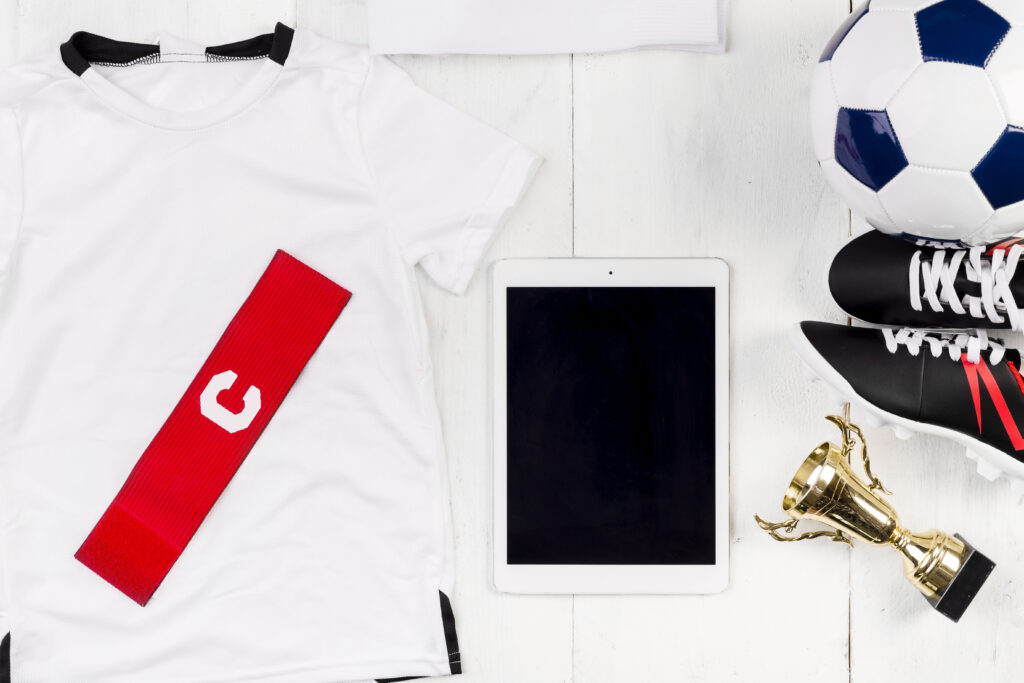
Every four years, the world stops, a ball starts rolling, and with it, the attention of billions of people shifts to a single international event. For soccer fans, the World Cup represents a series of opportunities. Beyond enjoying the most important tournament in the most popular sport, the World Cup is the perfect excuse for many things, from strengthening friendships to upgrading household appliances such as televisions. But what opportunities arise for brands during this period we call the 2026 World Cup Marketing era?
For companies, this phenomenon represents the biggest business opportunity of the commercial cycle, but also the biggest strategic challenge: How to stand out in the global conversation without being an official sponsor and without mentioning names protected by copyright?
For over a month, passion for soccer will create a soccer frenzy that will dominate news agendas and social media. Brands that want to participate but are not official sponsors must, of course, be careful not to score their own goals by using official FIFA logos, images, or text in their campaigns. However, there is still a clear opportunity to explore. Careful advance planning, combined with creative and agile executions focused on emotions, community, and culture, can ensure that brands take ownership and become part of the conversations of fans and the media,” said Patrick O’Neill, Managing Partner at Sherlock Communications.
The answer is not in the tournament logo, but in the passion of the fans. The most astute brands have learned that they don’t need to buy a license to be part of the party; they don’t even need to be part of a sports-related industry, they just need to understand the language of the viewer and elevate the user experience through creativity, culture, and opportunity. Here are some strategies brands can use to ride the World Cup tide and capitalize on it in all areas of business communication.
4 Global Marketing Strategies For 2026 To Stand Out Without Being An Official Sponsor
1. Journalism As A Teammate
During this period, sports and lifestyle journalists are under immense pressure. They cover marathon events and search for fresh angles. This is where brands can go from being “advertisers” to being “facilitators.”
We must banish the idea that the relationship between journalists and brands is limited to sending and publishing press releases. Instead of sending a standard press kit, companies can provide ready-to-use content, such as infographics on consumer behavior during matches, interesting facts about the host country’s culture, and information that allows the brand to appear in the news organically.
But brands can go further and position themselves at the top of the minds of those who generate public opinion by organizing exclusive viewing experiences for them. An event organized especially to watch a game can be a great opportunity to build relationships with journalists who need to stay on top of the tournament. Welcoming them to a suitable venue with a party atmosphere can put the brand at the top of the journalist’s list when considering collaborations.
But what if we imagine that celebratory atmosphere as a themed coworking space, where journalists can work with high-speed internet, catering inspired by the tournament venue, and giant screens to watch the game? By solving an operational need (a comfortable place to cover the event), the initiative goes from being an unforgettable experience to the beginning of a lasting partnership.
2. Creative Merchandising
Traditional merchandising tends to be saturated. The real business opportunity during World Cup Marketing 2026 lies in items that solve “game time” problems. In this sense, items such as coasters with soccer field designs or office supplies for those who need to follow the games while they work are good options for achieving brand recall.
Some items can achieve a recurring presence in the home throughout the month-long competition: good luck totems, stress balls with the brand image, and match schedules for the refrigerator, among others.

3. Street Activations: The Challenge of Going Viral
In the age of social media, the street is the cheapest and most effective venue for World Cup advertising. Activations related to World Cup Marketing 2026 should seek physical interaction that translates into digital content. Activations such as skill or soccer knowledge challenges can transcend being just a good time for passersby to become viral material, depending on their creativity.
However, street impact is only half the battle; the true profitability of sports marketing lies in its digital echo. An effective viralization strategy does not leave content to chance, but encourages it by designing “shareable moments.” This involves integrating technology such as dynamic QR codes (which send you to pages with games or augmented reality experiences), creating campaign hashtags that appeal to fan identity, and collaborating with local influencers who act as the first catalysts for content.
4. Taking Advantage Of The Situation: Real Time And Long Term
A company can run a successful World Cup-related campaign. However, that success must be leveraged to sustain the link the company has established with the World Cup.
Social media is the main battleground for continuing to take advantage of the situation. A brand that reacts with humor to a surprise result or a meme that emerges during a match achieves a much deeper emotional connection than a pre-produced television commercial. Agility is the new currency.
“Social media is a powerful channel for non-sponsors, and speed will be essential here. Make sure you have a well-informed team so that people talk about the key moments. I’m not just talking about goals or missed penalties. Think about team selection, fan zone activities, referee decisions, and fans’ extravagant outfits and celebrations. Humor and speed will be the key to success in this case,” added O’Neill.
Likewise, to prevent success from being short-lived and sustain it over time, a good strategy is to gear the campaign toward the company’s corporate values. Brands that incorporate a social responsibility component (for example, making donations for every goal scored or promoting responsible alcohol consumption during celebrations) earn a solid reputation. Modern consumers reward companies that not only want to sell, but also contribute positively to the collective spirit of celebration.
Latam Sports Marketing Applied To The 2026 World Cup: Conclusions
To capitalize on the big soccer party, companies don’t need million-dollar sponsorship budgets. The business of World Cup Marketing 2026 isn’t in the stadium; it’s in the fan’s living room, at the corner bar, on public transportation, and on the cell phone screen. By focusing on the user experience, brands can score their own commercial goals. The key is to remember that while players chase the ball, brands must chase the viewer’s attention and excitement.
If your company needs a creative campaign centered around soccer, one of the world’s greatest passions, or in other contexts, you can contact us, and we will create an idea tailored to your needs. What are you waiting for? The game has already started.