
[vc_row][vc_column][vc_column_text]What exactly is methanol? It’s a question many Brazilians are asking after the Ministry of Health confirmed 17 cases of poisoning and more than 200 reports across the country.
Why is methanol so dangerous?
Although methanol and ethanol share some similarities, the main difference lies in how they are metabolised in the body after ingestion. When the liver processes CH₃OH (methanol), it goes through a series of chemical changes, with formic acid being the final product. The problem is that the human body struggles to get rid of this toxin effectively, unlike other animals.
Formic acid then leads to what’s known as metabolic acidosis, a condition that raises the blood’s acidity (its pH) and disrupts cellular respiration, affecting the nervous system, particularly the optic nerve, which needs a large amount of oxygen to transmit visual signals to the brain. The outcome, as you probably already know, is likely due to people consuming drinks adulterated with methanol, a substance that should only be used in the chemical industry.
A bohemian culture
We can’t deny it: many Brazilians enjoy a drink. While alcohol consumption has declined globally, especially among younger generations, it’s still a fact that 49% of people over 18 in Brazil continue to drink regularly (Datafolha). The after-work drinks, weekend barbecues, post-football match get-togethers, app dates, samba sessions, and even a posh dinner often come with beers or spirits.
It’s no wonder, then, that people are feeling worried, suspicious, and taking precautions. The situation is made worse by the fact that many of the bars under investigation are busy spots, and it’s not uncommon to hear someone say, “I’ve been to that bar they’re investigating for selling methanol.“
What’s so routine for many Brazilians, even for those who don’t drink but are around those who do, turns out to be a real wolf in sheep’s clothing: disguised, undetectable when consumed.
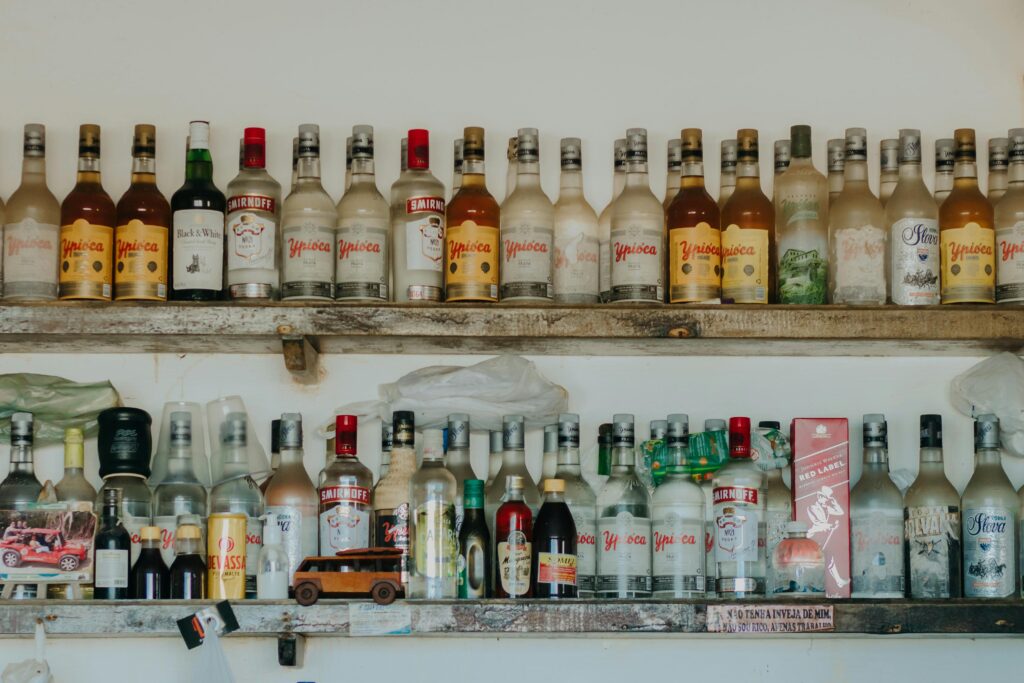
But who’s to blame?
To get a closer look at the situation, we partnered with the Broadminded Institute and surveyed 506 Brazilians about how the crisis is changing their drinking habits and their thoughts on regulation. Overall, the results show a widespread sense of distrust and concern. For 95% of those surveyed, the methanol outbreak is seen as a serious public health issue that requires immediate and effective action. Among the participants, 93% believe the situation highlights the lack of control and oversight in the country.
What’s more, 88% view the problem as a case of crime and counterfeiting, rather than just a health concern. Only a small minority, 25%, see it as an isolated incident that doesn’t need further attention.
Shaken trust
Of those who said they’ve changed their drinking habits, 54% have cut down on how much they drink, 35% have switched to different types of alcohol, and 11% have stopped drinking altogether. The survey also highlights rising concerns about safety, with 44% fearing a family member or friend could be affected, and 33% worried they might end up drinking adulterated beverages themselves.
More than half of those surveyed (54%) said they’d feel safer if health authorities carried out more frequent inspections of bars and restaurants and made the findings public. Additionally, 51% support the idea of visible inspection seals at these venues. Meanwhile, 37% said they’d like access to an official, up-to-date list of establishments with violations. These numbers reinforce the perception that trust in institutions has been directly impacted by the crisis: 91% say the incident has shaken their confidence in dining out, while 76% believe situations like this undermine trust in the government.
Methanol crisis: a turning point
Trust in distilled drinks is also changing. Among the measures seen as most effective in improving safety, the key ones are educational campaigns on how to spot counterfeit drinks (42%), the introduction of inspection seals on factories (45%), and the use of QR codes to trace the origin of products (38%).
“This technology is already available and accessible to businesses through the immutability of blockchain and AI monitoring, which, when combined, create authenticated QR codes that can be placed on each product. This allows consumers to track every step of the supply chain, from the source of the materials to the point of sale,” says Rafael Mandia, COO of Blockforce, a company specialising in traceability and transparency solutions through blockchain.
Despite these expectations, there’s still a high level of distrust: 27% of respondents say they don’t fully trust the traceability information on labels, as they believe it’s easy to counterfeit, while 22% admit they don’t know how to check this information.
When asked who should be responsible for ensuring the traceability of drinks, 55% pointed to the government, 22% to distilleries, and 18% to bars, with only 5% placing this responsibility on the consumer.
Brazilians are also showing a growing interest in having digital access to detailed information about what they consume. The most sought-after details include ingredients and the source of raw materials (47%), contamination alerts (40%), production and expiry dates (34%), the producer’s reputation (33%), and complaints or information about raw material selection (27%).
The survey also reveals that the demand for traceability goes beyond the drinks sector: 92% believe tracking should be mandatory for alcoholic beverages, 89% for food, and 88% for medicines.
“Our research shows that consumer trust has been shaken, and Brazilians are now more vigilant and demanding about where their alcoholic drinks come from. There’s a clear need for transparency and safety in the production chain, and ongoing regulation paired with clear communication have become key to restoring public trust and reinforcing the role of institutions in the aftermath of the methanol crisis.” – Patrick O’Neill, Managing Partner at Sherlock Communications.
[/vc_column_text][/vc_column][/vc_row][vc_row][vc_column][vc_btn title=”Check out the full study” style=”3d” color=”turquoise” size=”lg” css_animation=”fadeInDown” css=”” link=”url:https%3A%2F%2Fwww.sherlockcomms.com%2Fwp-content%2Fuploads%2F2025%2F10%2FMetanol-_-Survey-Data-_-Oct-2025-ENGLISH.pdf|target:_blank”][/vc_column][/vc_row]