
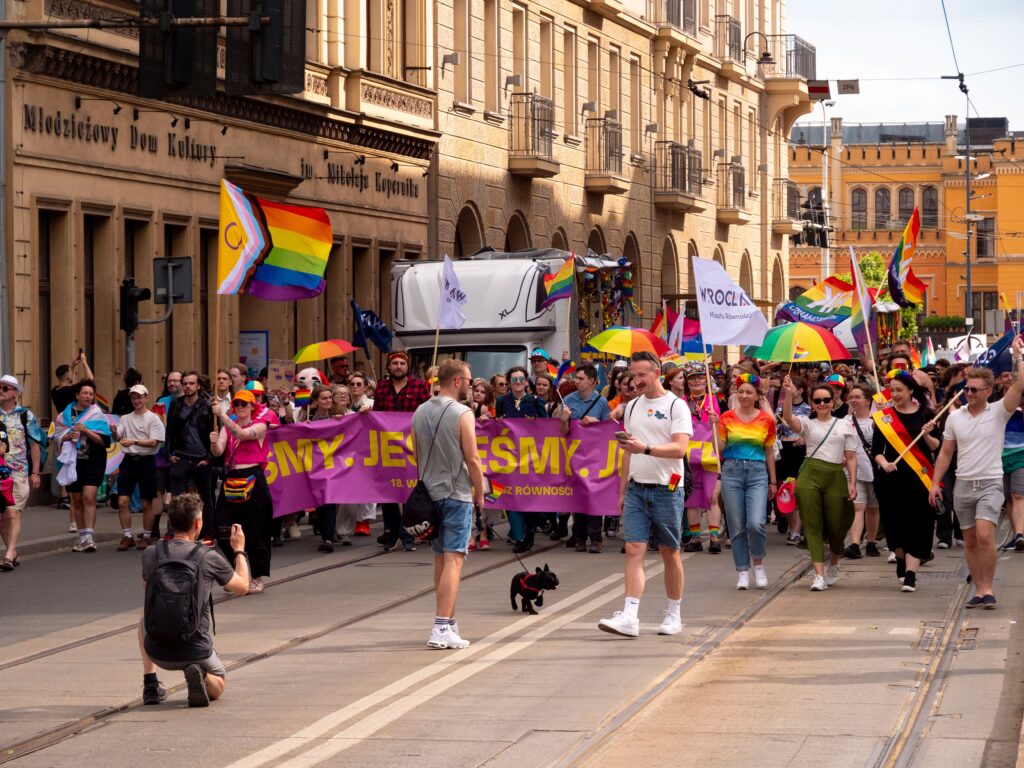
Every June, Pride enters the corporate calendar in a very visible way, with rainbow logos, brighter social feeds, and messages about inclusion appearing across industries. Those gestures can matter, because representation still has power, but they also raise a harder question once July begins and the public signs of support start to disappear.
For companies, LGBTQIA+ Pride Month is a moment of visibility and scrutiny at the same time, since people are no longer looking only at what a brand posts; they are also looking at how it hires, who it promotes, what policies it has, and where it invests. When that deeper work is missing, a public message can easily be read as pinkwashing.
This is especially sensitive for international brands operating in Latin America, where sexual and gender diversity carries different social, political, and cultural realities from one market to another. A Pride message can create goodwill, but people will only believe it if the company’s internal culture, leadership decisions, supplier choices, and year-round actions support the words.
Why Does Pride Month Create A Reputation Test For Companies?
LGBTQIA+ Pride Month can put a company’s values under a brighter light, because public support becomes more visible, and so do the gaps between what a brand says and what people experience inside the business. A company may publish a strong message in June, but if employees do not feel safe, if leadership does not reflect meaningful diversity, or if inclusion policies are unclear, that public gesture can invite more questions than confidence.
Pinkwashing happens when an organization presents itself as supportive of the LGBTQIA+ community through seasonal marketing or public messaging, while its internal culture, policies, or everyday decisions do not offer the same support. That is why speaking during Pride Month carries responsibility, because people want to see whether the message is connected to real practices or only appears when visibility is commercially useful.
The backlash can happen quickly, especially when consumers question the company’s motives, journalists look for the gap between message and action, and employees feel the disappointment most directly. A campaign may look inclusive from the outside, but it can feel hollow to the people who know what the workplace is like when June is over.
What Should Companies Understand Before Speaking About Pride?
Pride has its roots in resistance, not corporate visibility. The modern movement is strongly associated with the Stonewall uprising in New York in June 1969, when LGBTQIA+ people resisted police violence and discriminatory laws, with Black and Latina trans women and drag queens playing a central role in the struggle that later became a global symbol of visibility and civil rights.
In Brazil and across Latin America, Pride also carries local history and urgency. São Paulo’s first Pride Parade took place in 1997 with around two thousand people, and it later became one of the largest Pride events in the world, showing how public space, community organizing, and political visibility have shaped the movement in the region.
That context matters because Pride is not only about celebration. It is also about safety, recognition, employment, dignity, and protection from violence, which remains a serious concern in the region. Organizations such as Grupo Gay da Bahia have recorded hundreds of violent deaths of LGBT+ people in Brazil each year, and Brazil has continued to appear as one of the countries with the highest number of trans people killed, so companies should approach the topic with care rather than treating it as a low-risk branding opportunity.
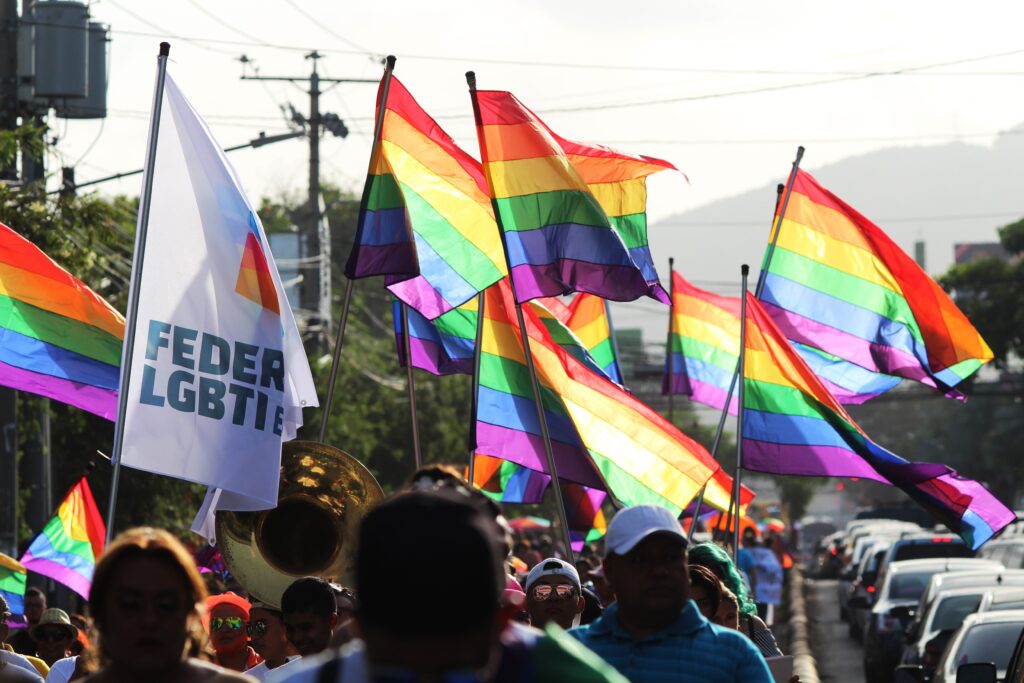
Where Does The Rainbow Go On July 1st?
The real question for companies is where the rainbow goes on July 1st. If it disappears from the logo, the feed, the internal agenda, and the budget, then the message was probably too dependent on the month and not strong enough in the organization.
Year-round inclusion begins inside the company. That can mean safer reporting channels, inclusive benefits, respect for chosen names and pronouns, support for gender transition, employee resource groups with real influence, and leadership that knows how to respond when discrimination happens.
It also means including LGBTQIA+ people in ordinary brand life, not only in June. If representation appears in Pride content but disappears from campaigns around family, finance, technology, health, travel, or everyday consumer moments, the company may be treating diversity as a special topic rather than part of the people it serves.
How Can Companies Connect Culture, Hiring And Literacy?
Hiring is important, but it cannot carry the whole strategy. A company can create affirmative roles or inclusive recruitment goals and still lose LGBTQIA+ talent if the workplace does not offer psychological safety, fair promotion paths, and managers who know how to support different experiences of identity.
That is why literacy matters. Teams need practical education around sexual orientation, gender identity, chosen names, pronouns, inclusive language, and the everyday forms of discrimination that often appear as jokes, assumptions, silence, or informal exclusion.
This learning should start with leadership, because managers set the tone for how conflicts are handled and how safe people feel when something goes wrong. A one-hour annual training is not enough if the rest of the year sends a different message, so literacy should be treated as a continuous process that helps the company make better decisions in hiring, communication, benefits, and culture.
Where Does Corporate Money Go After June?
One of the clearest ways for a company to show its values is through where it directs money, purchasing power, and long-term support. If a brand celebrates the LGBTQIA+ community publicly but never works with LGBTQIA+-led suppliers, supports community organizations, or funds projects that respond to urgent needs, the message can feel incomplete.
This is where ESG and corporate social responsibility become practical. Companies can review procurement policies, develop LGBTQIA+ suppliers, support shelters, fund legal and psychological assistance, invest in professional training, and build recurring partnerships rather than limiting action to a donation or product campaign during June.
For companies that do not know where to begin, Lupa do Bem can be a useful starting point. The platform maps and connects social projects across Brazil, including local initiatives that often do not have access to large funding networks, and its team can help companies identify projects aligned with the type of social impact they want to support, including initiatives focused on the protection, literacy, and empowerment of LGBTQIA+ people.
How Can Brands Communicate Support Without Pinkwashing?
Brands can communicate support more responsibly when the message is specific, proportionate, and connected to action. That means avoiding generic statements, exaggerated claims, or rainbow visuals that are not supported by internal culture, investment, or long-term planning.
A stronger message can say what the company is doing, what it is still learning, and where it is directing resources. It can also recognize local context because “pride” does not carry the same social, legal, or political meaning in every Latin American market, and a campaign that feels appropriate in one country may need a different language or preparation in another.
Responsible communication is not about saying the boldest thing in June. It is about showing enough consistency that employees, consumers, partners, and communities can see the connection between what the brand says and how the business behaves.
How Sherlock Communications Helps Brands Act With Local Relevance In Latin America
Sherlock Communications helps international companies navigate Latin America through insight-led communications, and that work becomes especially relevant when brands want to speak about LGBTQIA+ Pride Month with care. A strong message depends on more than translation because companies need to understand how sexual and gender diversity is discussed locally, which voices should be heard, and what risks may appear if public support is not backed by internal action.
Through Research & Insights, Sherlock can help brands map local expectations, employee concerns, NGO perspectives, media narratives, and reputational risks before they communicate. Through public relations, the agency can support responsible storytelling, spokesperson preparation, and media strategy, so public messages reflect substance and not only seasonal visibility.
When companies take that context seriously, June can become a starting point for more consistent work. The pride of making a difference should last all year, because safer and more respectful spaces are created through what companies do after the campaign ends.