

The World Cup does not arrive in Latin America as a campaign window. It arrives as a season people organize their days around, with restaurants filling before kick-off, families moving screens into shared spaces, group chats turning every goal into a meme, and streets becoming places to watch, argue, celebrate, and feel part of something bigger.
That is why World Cup marketing strategies in the region need more than translated global creative. The brands earning attention are the ones that understand how people actually live the tournament, not the ones simply talking about it.
Why Are World Cup Marketing Strategies Different In Latin America?
In Latin America, football refuses to stay inside the sports category. World Cup marketing strategies work differently here because the game touches food, family, music, humor, neighborhood pride, and national identity all at once, which means brands are not only competing for attention during a match; they are trying to earn a place inside rituals people already care about.
The 2026 tournament also changes the timing. Because the World Cup is being hosted across Mexico, the United States, and Canada, many games land closer to usable afternoon, evening, or late-night windows for Latin American audiences, rather than forcing fans into early-morning viewing habits. That gives brands more room to connect campaigns with meals, gatherings, retail moments, social media reactions, and public celebrations as they happen.
This is a structural advantage, but it is not automatic. If a brand treats Latin America as one audience, it can still miss the point, because the same match can produce different rituals in Mexico City, São Paulo, Buenos Aires, Bogotá, or Lima. The opportunity is larger, but so is the need for local judgment.
What Are Corona, Sabritas And Brahma Showing International Brands?
The most useful World Cup campaigns in Latin America are not simply placing a product next to football. They are showing how a product can become part of the way people participate in the tournament.
Corona connects with hospitality and local pride, Sabritas leans into gathering and shared celebration, and Brahma taps into collective belief, which makes each brand feel connected to a specific social moment rather than only attached to a sponsorship calendar. The lesson is not that every brand needs humor, nostalgia, or national symbols, but that the campaign has to understand what role the brand can credibly play around the match.
That is where many international brands should pause. A global campaign may have strong production value and a clear message, but if it does not understand why people gather, what they eat, what they joke about, who they watch with, and what emotion the match carries, it can feel polished but distant.
Why Does Local Specificity Beat Translation?
Local specificity beats translation because language is only one part of market adaptation. A campaign can be translated perfectly and still feel flat if it ignores regional slang, class signals, humor, rivalries, media habits, or the emotional memory attached to past tournaments.
This matters across Latin America because football references are not interchangeable. A Mexican campaign can play with hospitality, heat, hosting, and national humor in ways that would not automatically work in Brazil, while a Brazilian campaign may need to respond to different expectations around confidence, pressure, joy, and disappointment. The same applies across Colombia, Argentina, Chile, Peru, and other markets, where football carries different public moods and brand permissions.
For World Cup 2026 marketing, the real question is not “How do we translate this idea?” but “What does this idea become here?” That shift protects brands from shallow localization and gives campaigns a better chance of feeling native to the market without losing the global brand platform.
How Should Brands Segment Fans During The Tournament?
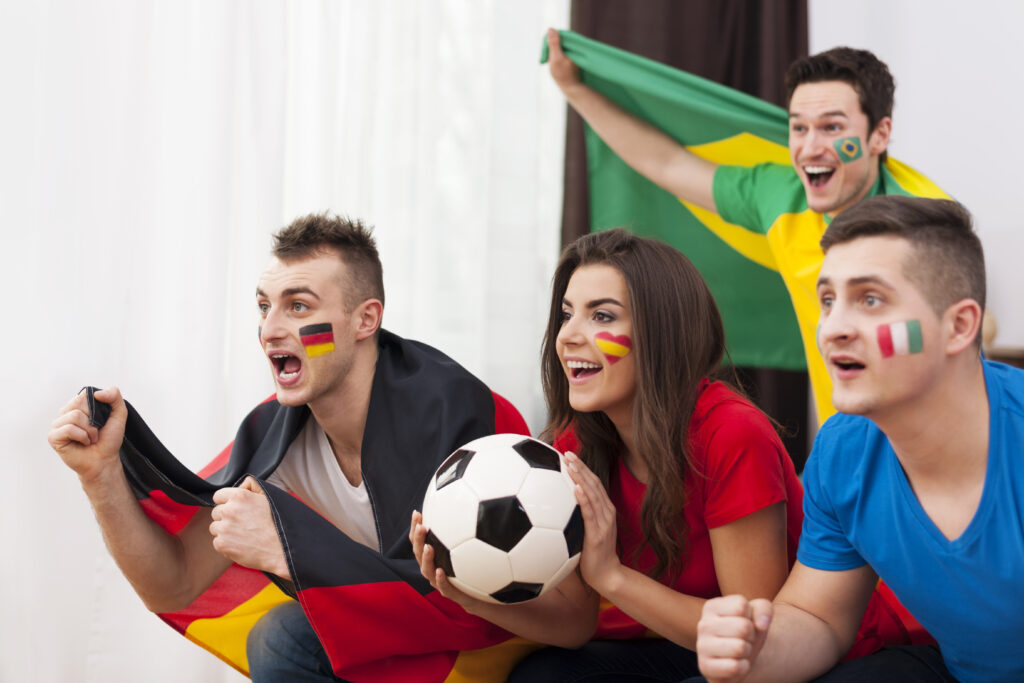
World Cup audiences are not one type of fan, and brands that build campaigns around only the hardcore football viewer may miss some of the most valuable attention. The tournament attracts people who follow every match, people who only watch their national team, people who come for the social experience, people who engage through creators and memes, and people who treat the World Cup as part of music, fashion, food, or pop culture.
That matters because younger digital audiences often move through the tournament differently. Gen Z and millennial fans may watch the match while scrolling, posting, reacting in real time, or following creator commentary, while women’s engagement and casual fandom can open different creative routes beyond the usual beer-and-banter football formula.
A stronger segmentation model might include:
- The loyal football fan, who values credibility, history, and respect for the game
- The national pride viewer, who engages most intensely when their country plays
- The social gatherer, who experiences the tournament through friends, family, and public viewing
- The digital reactor, which follows memes, creators, short-form video, and second-screen moments
- The culture-adjacent fan, who connects through music, food, fashion, celebrities, or lifestyle
For international brands, these segments matter because they change the message, the channel, and the tone. A campaign built for the loyal fan may need proof and restraint, while a campaign built for the digital reactor may need speed, flexibility, and a sharper understanding of online humor.
How Can Brands Use A Master Brand With Local Variations?
The most practical model for international brands is not to choose between one global campaign and fully separate local campaigns. A stronger approach is to build a master brand idea with local variations, so the campaign keeps a clear global identity while allowing each market to express it in a way that feels specific.
That might mean keeping the same strategic platform, visual world, or brand promise while adapting the casting, language, creator partnerships, retail moments, social formats, media outreach, and match-day content market by market. In practice, the campaign should feel like one brand, but not one-size-fits-all.
This model also helps brands move faster during the tournament. If the master idea is clear and local teams know what they can adapt, the brand can respond to match results, fan rituals, and social moments without waiting for every post, quote, or activation to be reinvented from scratch.
For Latin America, that balance is essential. Too much global control can make a campaign feel imported, while too much local improvisation can weaken brand consistency. The brands that manage both are more likely to earn attention without sounding like outsiders.
How Can Brands Turn A Global World Cup Idea Into Local Meaning?
Sherlock Communications helps international brands understand, enter, and grow in Latin America through insight-led, culturally intelligent communications. For World Cup campaigns, that means helping companies understand how audiences behave in different markets, where the strongest opportunities are, and how a global brand idea should be adapted before it reaches the public.
Through Research & Insights, Sherlock can help brands identify local fan behaviors, media narratives, consumer expectations, and country-specific risks. Through influencer marketing, Sherlock can connect brands with the creators, communities, and online voices that shape how each market actually experiences the tournament, turning cultural insight into content that feels native rather than borrowed.
For brands from the US, UK, Canada, or Europe, the lesson from Latin America’s World Cup playbook is clear: attention is easier to buy than trust. The campaigns that last are the ones that understand where people are watching, why the moment matters, and how the brand can add something that feels welcome, not borrowed.