
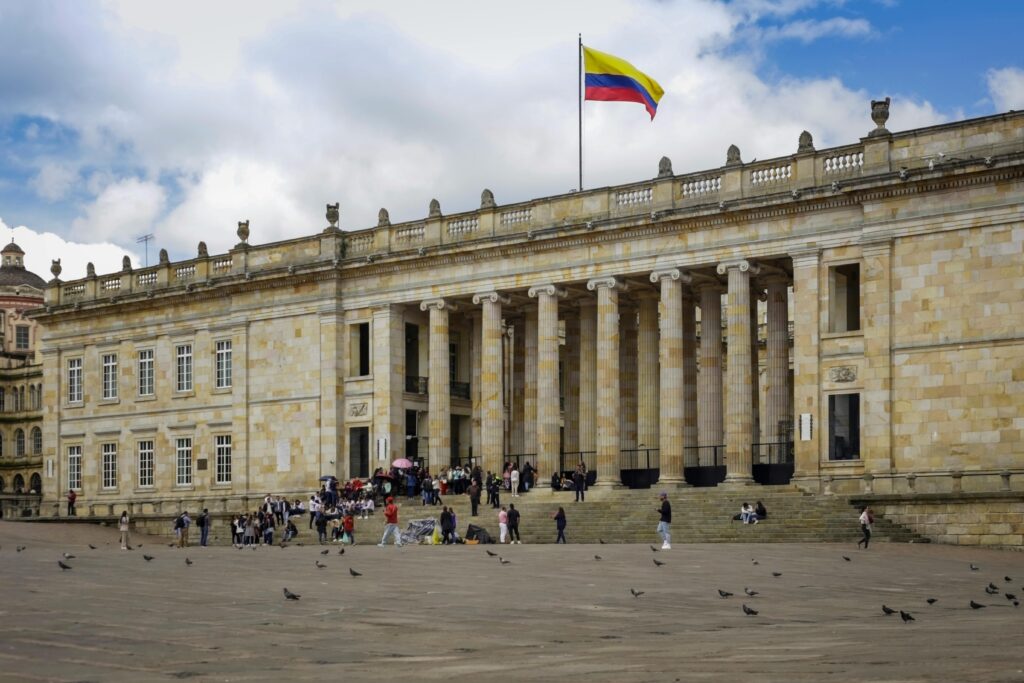
Colombia’s 2026 electoral cycle comes at a sensitive moment for international and local companies, because the presidential election is scheduled for May 31, with a potential runoff on June 21 if no candidate wins in the first round, and that means brands need to pay close attention to a public debate shaped by security, economic uncertainty, political polarization, and trust in institutions.
For international brands, an election communications strategy in Colombia is about understanding how the political context can affect reputation, stakeholder confidence, media interpretation, and the timing of corporate communications.
Why Does Colombia’s Electoral Context Matter for Brands?
Colombia’s political climate matters for brands because it can change the way people interpret ordinary communications, from campaign timing and executive comments to messages about investment, employment, sustainability, or technology.
The 2026 race has been described as polarized, with public debate focused on security, economic direction, and the future of policy priorities after the Petro administration. For brands, that creates a practical reputational challenge, because a message designed as commercial or corporate communication can still be pulled into broader conversations about the country’s direction, public trust, and the role of foreign businesses in the local economy.
What Creates Colombia Election Brand Risk?
Colombia’s election brand risk often appears when a company’s activity touches issues already under public scrutiny. The risk may not come from political messaging itself but from how a campaign, executive comment, or operational decision is framed by others.
Brands should pay particular attention to areas where commercial narratives overlap with social or political concerns. These may include employment, prices, security, public services, energy, technology, ESG, data, investment, and regional development.
A practical risk review should consider:
- Campaign timing: whether a launch or announcement could be misread during sensitive political moments.
- Executive visibility: whether spokespeople are prepared for questions beyond the company’s planned message.
- Paid media placement: whether ads may appear near polarizing content or misinformation.
- Stakeholder reactions: whether employees, partners, customers, or media may interpret the message differently.
- Local nuance: whether the language sounds appropriate for Colombia rather than being adapted from a regional template.
How Should Brands Prepare for Misinformation and Digital Pressure?
Brands should prepare for misinformation before a false or misleading narrative appears. Colombia’s election environment includes digital pressure, polarization, and concerns around disinformation, which can affect both political actors and organizations operating in the public eye.
For companies, misinformation risk can take several forms. A brand may be falsely linked to a candidate, accused of supporting a political position, misrepresented through edited content, or pulled into a wider debate about its sector. Teams need to know what they are monitoring, what level of risk requires escalation, and who can approve a response when speed matters.
What Does a Crisis Comms Electoral Cycle Plan Need?
A crisis comms electoral cycle plan should help teams act clearly before pressure escalates, especially in Colombia, where fast-moving media narratives, social conversation, and security concerns can quickly create reputational risk during sensitive electoral moments.
Scenario Planning
Scenario planning helps brands prepare for the situations most likely to create reputational pressure during the electoral cycle. These may include misinformation, campaign timing being misread, executive comments gaining political interpretation, or stakeholders asking the company to clarify its position.
Approval Routes
Approval routes are essential because electoral conversations can move faster than internal decision-making. Brands should define who reviews, who approves, and who has final responsibility for external statements before a situation develops.
Holding Statements
Holding statements give brands a starting point when facts are still being verified. They should be calm, factual, and adaptable, so the company can acknowledge the situation without rushing into a position that may later need to change.
Local Review
Local review helps ensure the response reflects Colombian media culture, political sensitivities, and audience expectations. A message that sounds neutral at a global level may feel distant, unclear, or poorly timed in the local context.
Post-Response Learning
Post-response learning allows teams to understand how the situation developed, how audiences reacted, and what could be improved. This should include both communications performance and internal process, because response quality often depends on coordination as much as messaging.
How Can International Brands Communicate Without Becoming Political
International brands can keep communicating during election periods, but the message needs to be clearly tied to the business, reviewed through the local context, and timed carefully, because even neutral announcements can be interpreted differently when public debate is focused on politics, security, or the economy.
A campaign or corporate announcement can remain appropriate if it is factual, connected to the company’s business, and reviewed by local teams, so the key question for senior decision-makers is whether the message would still feel credible and responsible if it appeared next to election coverage or public debate about Colombia’s economy, security, or institutions.
How Integrated Communications Support Brand Readiness in Colombia
An election communications strategy in Colombia works best when it is connected to wider reputation planning because election sensitivity can appear across PR, paid media, executive visibility, employee communication, and stakeholder engagement.
This is where regional coordination becomes important for international companies, as Sherlock Communications’ public relations services support corporate and executive communication, stakeholder mapping, and media advisory across Latin America, while helping brands align global standards with local expectations.
For companies entering or growing in Colombia, the value lies in making sure visibility, reputation, and response planning work together, rather than being managed as separate workstreams.
Strengthening Brand Trust Through Electoral Uncertainty
An election communications strategy in Colombia should help brands monitor the right conversations, choose the right moments to speak, and respond calmly if public narratives shift, because electoral periods can test both local understanding and internal decision-making.
For international companies operating in Colombia, Sherlock Communications can provide the regional insight and communications expertise needed to manage sensitive moments with more confidence. By connecting reputation strategy, local context, and crisis preparedness, Sherlock helps brands move beyond reactive decision-making and communicate in a way that remains clear, credible, and aligned with market realities.