
Every year, October brings pink ribbons, social media campaigns and awareness initiatives. However, Breast Cancer Awareness Month (Breast Cancer Awareness Month) can and should go beyond changing the color of a company’s logo. For companies, this period should represent an opportunity to turn information into action, strengthen internal care policies and support organizations already working directly with people undergoing treatment.
The movement that gave rise to Breast Cancer Awareness Month began gaining momentum in the United States in the 1980s. The first national breast cancer awareness campaign was launched in 1985, initially lasting just one week. In the following years, the initiative expanded, and October became the main month for activities related to the cause.
The pink ribbon became an established symbol of the cause in the early 1990s, particularly through campaigns promoted by Susan G. Komen and SELF magazine.
In Latin America and the Caribbean, breast cancer also represents a significant public health challenge. According to the Pan American Health Organization (PAHO), 31% of women affected by the disease in the region are under the age of 50. Throughout October, different countries also organize awareness and early diagnosis campaigns. In Mexico, for example, Breast Cancer Awareness Month initiatives include free mammograms, while in Panama, the Cinta Rosada y Celeste campaign promotes prevention and awareness activities in local communities.
More than four decades later, these awareness efforts remain necessary. Brazil’s National Cancer Institute (INCA) estimates approximately 78,600 new breast cancer cases per year in Brazil between 2026 and 2028. Excluding non-melanoma skin cancer, breast cancer is the most common type of cancer among Brazilian women.
Information Is Also a Form of Prevention
Discussing breast cancer prevention requires care. Although not all cases can be prevented, certain habits can help reduce the risk, including regular physical activity, maintaining a healthy body weight and reducing alcohol consumption. It is also important to be familiar with one’s own body and seek medical attention when suspicious changes occur.
Early diagnosis is essential. According to INCA, this approach depends both on recognizing signs and symptoms and on having timely access to healthcare services for further investigation. Therefore, raising awareness does not simply mean telling people they need to take care of their health. It also requires ensuring that pathways to diagnosis and, when necessary, treatment are available.
Lupa do Bem, a nonprofit organization established by Sherlock Communications that supports social initiatives across Latin America by giving visibility to their stories, strengthening their credibility and expanding opportunities for development, has also addressed this topic. Its article, Breast Cancer Awareness Month: SUS amplia o cuidado no câncer de mama, highlights recent advances in Brazil’s public healthcare services and includes references to institutions that provide support to patients.
In 2026, a regulatory change also expanded access to supplementary healthcare coverage in Brazil. Since October 1, Brazil’s National Supplementary Health Agency (ANS) has required health plans to cover digital mammograms without age or gender restrictions when medically indicated. The rule applies to screening, diagnosis and treatment monitoring.
Access to Treatment Is Also Part of Care
The journey of someone facing breast cancer does not begin or end with a medical examination. Many people need to reorganize their family lives, take time off work, deal with financial impacts or travel to access specialized healthcare services.
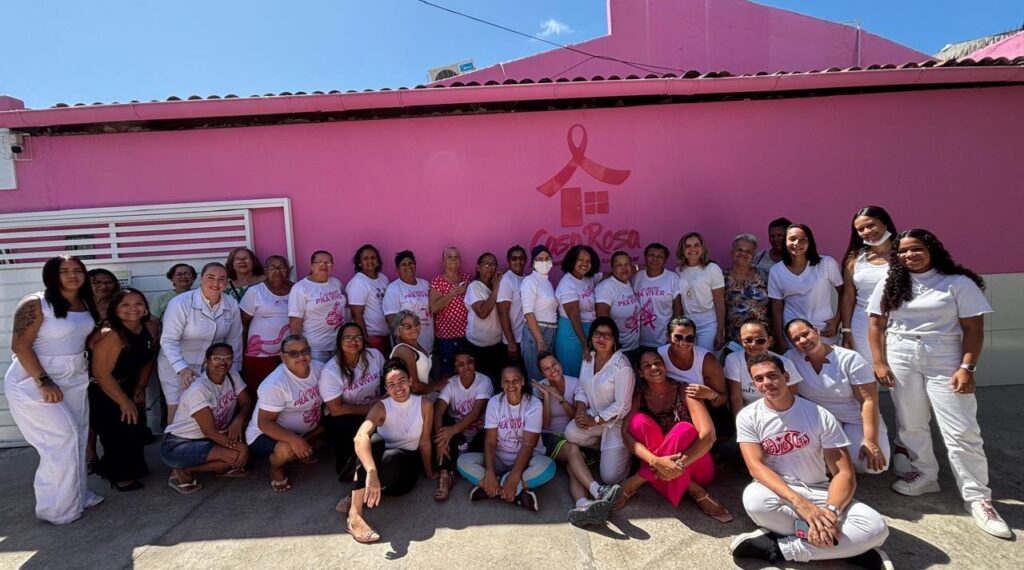
This is where social organizations become an important part of the care network. In Alagoas, Brazil, for example, APECAN, known as Casa Rosa, provides a welcoming environment, guidance, multidisciplinary care and initiatives focused on prevention and quality of life for people with cancer.
In Panama, Fundación Casita de Mausi offers free support to people who need to travel to the capital for cancer treatment, providing accommodation, meals, transportation and other forms of assistance.
In Mexico, Albergue Guadalupano highlights another dimension of this reality by providing accommodation and support for pediatric patients and their families during treatment.
These experiences serve as a reminder that access to healthcare also depends on the practical conditions that allow people to continue receiving treatment.
Self-Esteem, Dignity and Rebuilding Lives
The effects of treatment can profoundly change a person’s relationship with their own body and affect self-esteem, professional life and social interactions.
Instituto Quimioterapia e Beleza, previously featured on the Lupa do Bem platform, provides psychological support, a headscarf bank, information about patients’ rights and initiatives focused on helping people return to work.
Meanwhile, Cabelegria transforms donated hair into wigs distributed free of charge to patients and also carries out social and psychological support initiatives. In Argentina, Doná Cabello carries out similar work, demonstrating how support initiatives extend across borders.
In Minas Gerais, Brazil, Costurando o Bem brings together volunteers to produce handmade breast prostheses, cushions and other comfort items for patients.
Comprehensive care also requires attention to different stages of life. The work of Abrati, which focuses on the autonomy, physical and emotional health, and social interaction of older adults, reinforces how support and a sense of belonging are part of a broader approach to well-being.
How Can Companies Participate in Breast Cancer Awareness Month?
Breast Cancer Awareness Month campaigns become more meaningful when communication is accompanied by concrete action.
The first step can be to look within the company itself by encouraging conversations with qualified professionals, sharing information from reliable sources, making it easier for employees to attend medical appointments and screenings, and creating a supportive environment for those undergoing treatment or returning to work.
Flexible working hours, attention to emotional well-being and information about benefits and rights are measures that can turn an institutional campaign into everyday practice.
The second approach is to look beyond the organization. Companies do not need to create new projects to make a contribution. Instead, they can connect with organizations that already understand patients’ needs and ask, for example: How can we help?
The answer may involve financial support, volunteering, donations of supplies, professional services, technology, providing access to facilities or communications support. What matters is that support begins with listening to those needs, rather than focusing solely on what the company wants to offer.
Information Saves Lives: Sherlock Communications’ Initiatives
Sherlock Communications has already addressed this topic internally through a range of initiatives.
As part of a program dedicated to Breast Cancer Awareness Month and Novembro Azul (Blue November), the agency organized an online roundtable discussion on breast and prostate cancer, focusing on empathy, communication and how to approach these diseases. The discussion also explored how to advise clients on health-related campaigns and how to support colleagues going through vulnerable situations.
One of the activities was an online talk on prevention and well-being. The agency also produced a special newsletter featuring the message “Information Saves Lives.”
In an employee-focused initiative, gynecologist and obstetrician Dr. Rute Moreno V. Rosa addressed the topic “Breast Cancer Awareness Month: Communication as a Form of Prevention.”
These efforts also extended to external communications. Sherlock Communications supported the promotion of initiatives organized by Instituto Quimioterapia e Beleza, including a charity cycling event in São Paulo and a walk in Bauru. These activities brought together physical exercise, solidarity and breast cancer awareness.
These examples demonstrate how a company can contribute both by informing and supporting its employees and by using its professional expertise to increase the visibility of social organizations.
Regional Communication Builds More Authentic Connections
In a region as diverse as Latin America, health communication also requires attention to cultural context. Adapting language, listening to local experts and organizations, working with real stories and understanding the specific characteristics of each market help make messages more relevant and relatable to people.
For companies operating across different countries, this approach is particularly important. The same campaign does not need to be replicated in exactly the same way in every market. The purpose may be global, but the way companies communicate with people should always take local realities into account.
Beyond Wearing Pink
Breast Cancer Awareness Month should encourage broader conversations about prevention, early diagnosis, access to healthcare and care.
For companies, the challenge is to ensure that participation goes beyond symbols, visual materials or one-off initiatives. A positive approach can begin with sharing reliable information within the organization, extend to more supportive workplace policies and include support for institutions already making a difference in the lives of patients and their families.
When communication, active listening and commitment come together, Breast Cancer Awareness Month becomes more than an annual campaign. It represents a tangible opportunity to strengthen care networks and turn awareness into meaningful impact.