
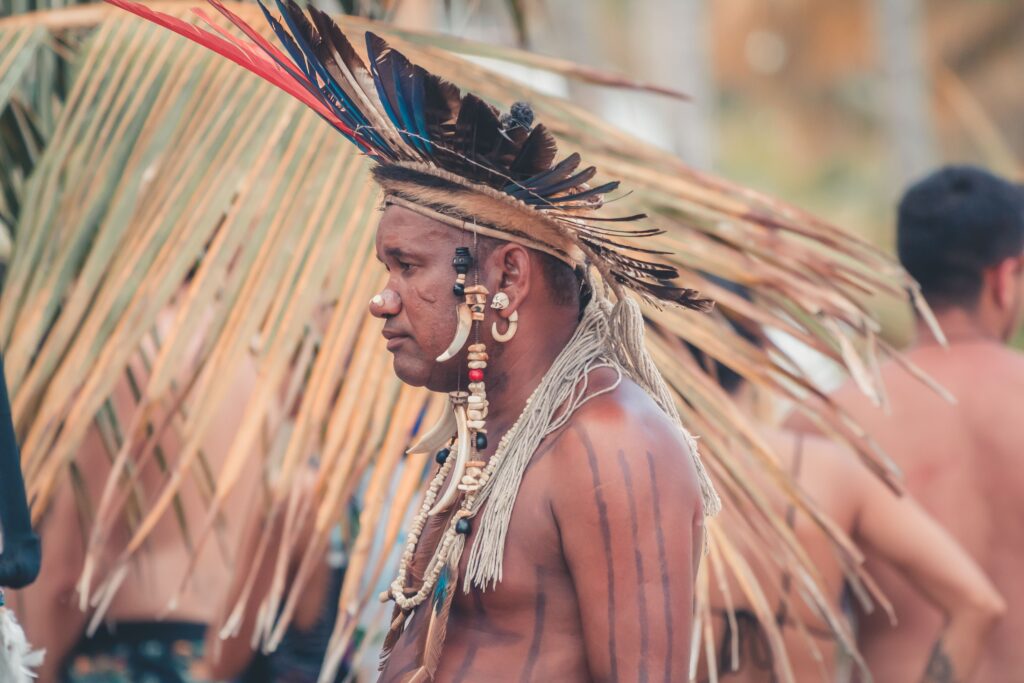
October 12 is a date that carries different meanings across Latin America. Historically associated with the arrival of Christopher Columbus in the Americas in 1492, the date was widely celebrated as Día de la Raza (“Day of the Race”), a designation that reflected a Eurocentric interpretation of the continent’s history. Over time, however, several countries have reconsidered this narrative, seeking to recognize the histories, cultures, identities, and rights of Indigenous peoples.
These changes reflect a broader effort to move beyond a single account of the past and acknowledge the diversity of the peoples who inhabited the Americas long before European colonization. In this context, communication plays an important role in promoting more inclusive narratives, challenging stereotypes, and giving visibility to Indigenous communities and their contributions to society.
Different names, a shared commitment to cultural diversity
Across Latin America, October 12 has taken on different meanings, reflecting each country’s historical and political context.
In Argentina, the date became the Day of Respect for Cultural Diversity (Día del Respeto a la Diversidad Cultural) in 2010, following the enactment of Decree No. 1584/2010. The change aimed to encourage reflection on the country’s history and promote respect for cultural diversity.
In Venezuela, October 12 is known as Indigenous Resistance Day (Día de la Resistencia Indígena), following Decree No. 2,028, issued in 2002. The designation recognizes the resistance of Indigenous peoples to colonization. The National Assembly of Venezuela’s official website provides an institutional reference, although a direct link to the decree itself should be confirmed before publication.
In Bolivia, Supreme Decree No. 1005, issued in 2011, established October 12 as Decolonization Day (Día de la Descolonización). The change is associated with efforts to recognize Indigenous identities and challenge colonial legacies. The decree can be consulted through the Lexivox legal database.
In Ecuador, October 12 is associated with Interculturality and Plurinationality Day (Día de la Interculturalidad y Plurinacionalidad), established through Executive Decree No. 910 in 2011. The designation highlights the country’s cultural plurality and the importance of recognizing the coexistence of different peoples and identities. Additional information is available on the Ecuadorian National Assembly’s website.
In Colombia, the date has also undergone changes in its official framing. Resolution No. 138 of 2021 and Law No. 2347 of 2024 are part of the country’s efforts to emphasize ethnic and cultural diversity.
Although these designations differ, they point toward a common objective: broadening the historical narrative to include Indigenous peoples’ experiences, resistance, and contributions.
The importance of giving visibility to Indigenous peoples
Recognizing Indigenous peoples goes beyond changing the name of a commemorative date. It also means acknowledging their presence in contemporary society, valuing their knowledge and traditions, and recognizing the importance of preserving their languages and cultural expressions.
In Brazil, for example, the 2022 Census data published by the Brazilian Institute of Geography and Statistics (IBGE) identified 391 Indigenous ethnicities, peoples, or groups and 295 Indigenous languages. These figures illustrate the country’s extensive cultural and linguistic diversity. Additional information is available on the IBGE’s Indigenous Brazil portal.
Language preservation is also a global concern. The United Nations declared 2022–2032 the International Decade of Indigenous Languages, coordinated by UNESCO, to raise awareness of the importance of protecting and revitalizing Indigenous languages. More information is available on UNESCO’s official website.
In this context, communication can help broaden public understanding of Indigenous communities, challenge stereotypes, and ensure that their stories are told with respect and cultural sensitivity.
Communication as a tool for representation
The way Indigenous peoples are portrayed in the media influences how society understands their identities, histories, and roles in contemporary life. Communication strategies can contribute to more inclusive representation by avoiding generalized portrayals, recognizing the diversity among Indigenous communities, and prioritizing their own voices and perspectives.
This involves moving beyond narratives that portray Indigenous peoples solely through the lens of the past. Indigenous communities are active participants in contemporary society, contributing to discussions on culture, education, the environment, technology, politics, and human rights.
In Brazil, initiatives such as Rádio Yandê demonstrate how communication platforms can help amplify Indigenous voices and promote their cultures, languages, and perspectives.
For organizations working across Latin America, this context reinforces the importance of developing communication that respects regional differences, values cultural diversity, and avoids treating Indigenous peoples as a homogeneous group.
A more inclusive perspective on Latin America
October 12 offers an opportunity to reflect on how history is told and whose perspectives are included in public discourse. The different ways Latin American countries commemorate the date demonstrate that historical narratives can evolve as societies seek more inclusive forms of recognition.
By valuing Indigenous peoples’ histories, languages, cultures, and contemporary contributions, communication can help foster greater understanding and respect for the region’s diversity.
For Sherlock Communications, this perspective reinforces the importance of communication strategies that recognize Latin America’s cultural complexity and contribute to more representative narratives. A more inclusive approach begins with listening, understanding local contexts, and ensuring that the diversity of Indigenous peoples is reflected with accuracy and respect.
Author: Claudio Anastácio Júnior